
Destination Risk Intelligence Networks – Identifying and Managing Emerging Destination Risks
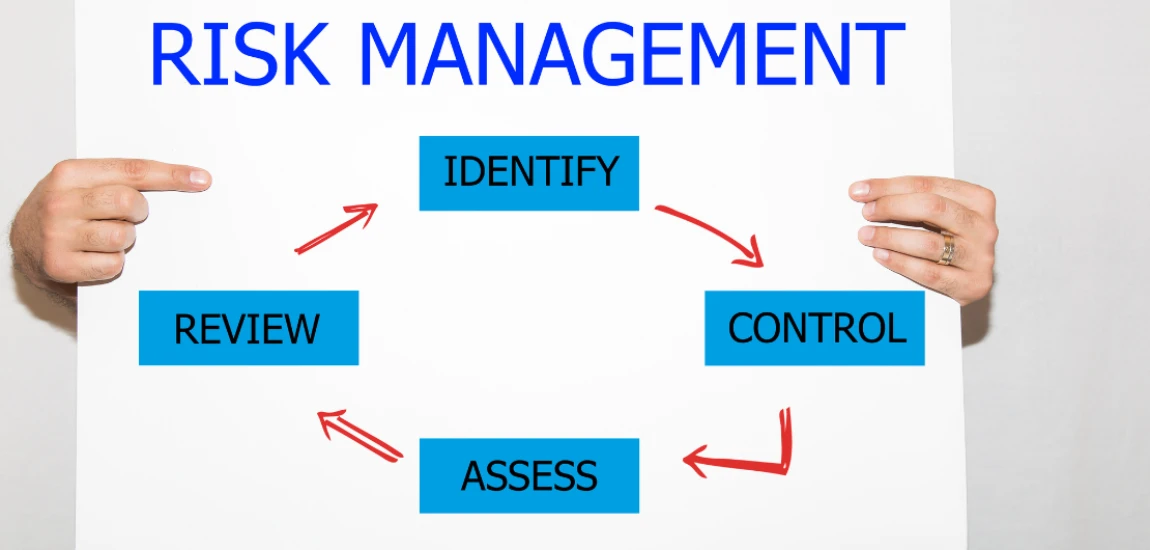
Tourism destinations operate within complex environments where economic, environmental, social, technological, health, infrastructure, and geopolitical factors can influence visitor experiences and destination performance. A destination may be successful today but face new risks tomorrow because conditions can change rapidly.
Extreme weather can disrupt transportation. Water shortages can affect hotels and restaurants. Cyber incidents can interrupt tourism services. Infrastructure failures can create safety and accessibility problems. Economic changes can reduce visitor demand. Social tensions or unmanaged visitor pressure can affect relationships between residents and tourists.
Because these risks can emerge gradually or suddenly, destinations need systems that can identify warning signals before problems become more severe.
Destination Risk Intelligence Networks provide a framework for doing this. They connect information from tourism organizations, businesses, public agencies, infrastructure providers, communities, environmental monitoring systems, and other relevant sources. The purpose is to create a broader understanding of risks affecting a destination and support timely decision-making.
Rather than responding only after a crisis occurs, destination risk intelligence encourages tourism managers to monitor changing conditions, identify vulnerabilities, assess potential consequences, and prepare appropriate responses.
A risk intelligence network can include real-time monitoring, predictive analytics, risk dashboards, early-warning systems, scenario planning, stakeholder communication, and emergency response planning.
The goal is not to eliminate every risk. No destination can completely remove uncertainty. Instead, the objective is to improve preparedness and create tourism systems that can anticipate, absorb, respond to, and recover from disruptions.
Understanding Destination Risk Intelligence Networks

Destination Risk Intelligence Networks are connected systems that collect, analyze, share, and interpret information about risks that could affect tourism destinations.
What is destination risk intelligence?
Destination risk intelligence involves gathering information about potential threats and converting that information into useful insights.
Risks may include:
extreme weather;
natural disasters;
infrastructure failures;
cybersecurity incidents;
public health disruptions;
environmental degradation;
water shortages;
transportation interruptions;
economic instability;
social tensions;
overcrowding; and
changing travel demand.
The purpose is to understand not only whether a risk exists, but also how likely it may be, which parts of the destination could be affected, and what consequences could follow.
Why networks are important
A destination contains many interconnected systems.
A storm may affect roads, airports, hotels, attractions, electricity, water supplies, and communication networks simultaneously.
No single tourism organization has complete information about all these systems.
A network approach allows different stakeholders to share relevant information and develop a broader picture of destination conditions.
Moving from reactive to proactive risk management
Traditional crisis management often focuses on responding after an incident occurs.
Risk intelligence encourages earlier action.
For example, if environmental monitoring shows increasing water stress and tourism demand is expected to rise, destination managers can begin planning conservation measures before shortages become severe.
Similarly, if weather forecasts indicate a potential disruption, tourism businesses can review transportation, communication, and visitor safety plans in advance.
This creates a more proactive destination management model.
Identifying Emerging Risks Through Destination Data

Effective risk management begins with identifying signals that may indicate changing conditions. Modern destinations have access to numerous sources of information that can support this process.
Monitoring environmental conditions
Environmental monitoring can provide important early-warning information.
Temperature, rainfall, water availability, air quality, wildfire conditions, coastal conditions, and ecosystem indicators can help destinations understand environmental risks.
For example, repeated periods of extreme heat may indicate increasing pressure on outdoor tourism activities, energy systems, water resources, and visitor comfort.
Tracking these conditions over time allows destinations to identify trends rather than focusing only on individual events.
Monitoring tourism and infrastructure indicators
Tourism data can also reveal emerging risks.
Changes in visitor arrivals, hotel occupancy, transportation demand, attraction attendance, and booking patterns can indicate changing pressures.
Infrastructure indicators are equally important.
Road conditions, electricity demand, water consumption, waste levels, public transportation capacity, and communication network performance can reveal vulnerabilities.
Combining tourism and infrastructure information can show how changes in visitor activity may influence destination systems.
Using social and community signals
Risks are not always visible through physical infrastructure or environmental measurements.
Resident feedback, community consultations, visitor reviews, local business reports, and public-service information can reveal social pressures.
For example, increasing concerns about congestion, public-space use, housing, or visitor behavior may indicate a need for destination management action.
Community knowledge can therefore complement technical data.
Using Technology and Predictive Analytics for Risk Intelligence

Technology can strengthen destination risk management by processing large amounts of information and identifying patterns that may be difficult to detect manually.
Artificial intelligence and predictive analytics
Predictive models can analyze historical and current information to identify potential risk patterns.
For example, a system might examine weather conditions, visitor numbers, transportation activity, and infrastructure capacity to identify periods when a destination may experience increased pressure.
Machine learning can also help identify unusual changes in datasets.
However, predictive models should be treated as decision-support tools rather than perfect predictions. Their reliability depends on data quality, assumptions, model design, and changing conditions.
Real-time monitoring and smart sensors
Smart sensors can provide information about destination conditions as they occur.
Sensors can monitor traffic, pedestrian density, water consumption, air quality, temperature, energy use, waste capacity, and other indicators.
Real-time information can be especially useful during rapidly developing situations.
If visitor density rises sharply in a particular area, managers can identify the change and coordinate appropriate measures.
If water consumption suddenly increases, operators can investigate potential leaks or unusual demand.
Destination risk dashboards
A centralized risk dashboard can bring different indicators together.
A dashboard may display:
current weather conditions;
environmental indicators;
visitor density;
transportation status;
infrastructure conditions;
emergency alerts;
water availability;
energy demand;
accommodation activity; and
community indicators.
This can help destination managers quickly understand changing conditions.
Building Early-Warning Systems for Destination Risks

Identifying risks is useful, but destinations also need mechanisms for turning information into timely action.
Establishing risk indicators and thresholds
Destination managers can define indicators that require increased attention.
For example, unusually high temperatures, declining water availability, rising visitor density, or transportation disruption may trigger specific monitoring levels.
Thresholds should be designed according to local conditions.
A threshold that is appropriate for one destination may not be suitable for another.
Creating clear communication channels
Early warnings are only effective when information reaches the people who need it.
Tourism authorities can establish communication systems connecting government agencies, hotels, attractions, transportation providers, tour operators, emergency services, and communities.
Communication procedures should identify who receives alerts, who is responsible for responding, and how information is communicated to visitors.
Clear communication can reduce confusion during rapidly changing situations.
Providing visitor information
Visitors also need timely and understandable information.
Digital tourism platforms, websites, mobile applications, accommodation providers, transportation systems, and visitor centers can communicate relevant warnings and guidance.
Information might include transportation changes, weather conditions, attraction closures, evacuation instructions, or alternative activities.
The information should be accurate, accessible, and regularly updated.


Gary Arndt operates "Everything Everywhere," a blog focusing on worldwide travel. An award-winning photographer, Gary shares stunning visuals alongside his travel tales.
Gary Arndt

Prev Post

Next Post