
Circular Tourism Resource Networks – Reducing Waste Through Reuse, Recovery, and Resource Circulation
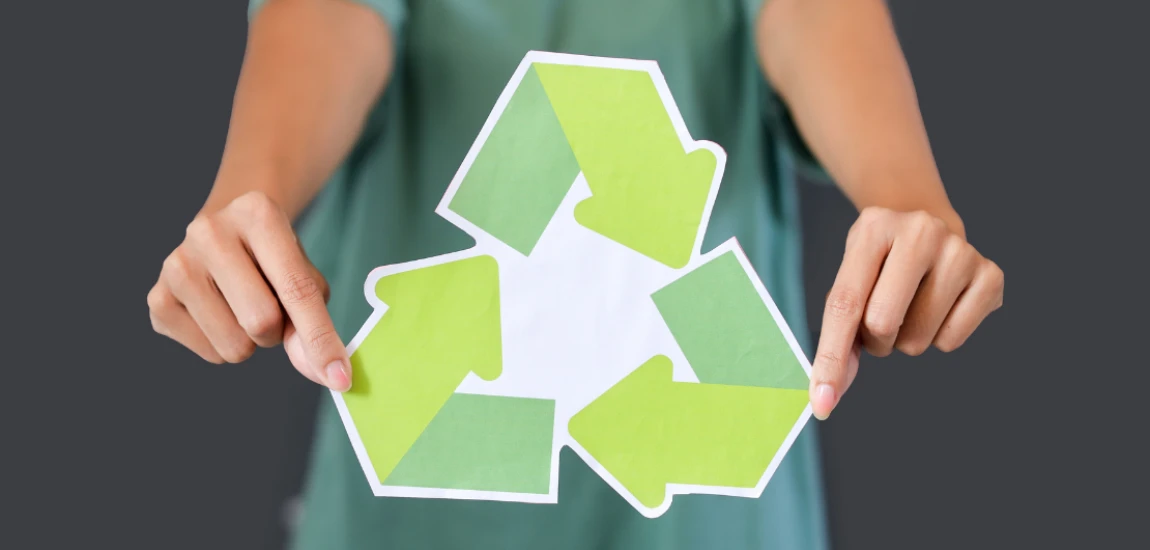
Tourism depends on a wide range of resources, including water, energy, food, construction materials, packaging, transportation systems, and natural environments. Hotels, restaurants, attractions, airports, transportation providers, events, and tourism businesses all consume resources and generate different forms of waste. As tourism activity grows, managing these resources efficiently becomes increasingly important.
A traditional tourism economy often follows a linear pattern: resources are extracted, products are purchased and consumed, and waste is eventually discarded. This model can create unnecessary costs, increase environmental pressure, and reduce the value that could otherwise be recovered from materials.
Circular Tourism Resource Networks offer an alternative approach. They connect tourism businesses, communities, suppliers, waste-management organizations, local producers, and destination managers so that materials and resources can remain useful for as long as possible.
Instead of viewing waste as an unwanted end product, circular tourism treats many waste streams as potential resources. Food waste can become compost, used materials can be repaired or reused, packaging can be recovered, wastewater can potentially be treated and reused, and surplus products can be redirected to other users.
A circular tourism network is therefore more than a recycling program. It is a connected system designed to reduce resource consumption, increase reuse, recover valuable materials, and strengthen local resource circulation.
When implemented effectively, circular tourism can also support local businesses, create new economic opportunities, reduce operating costs, and strengthen destination sustainability. The following sections explore how destinations can build circular resource networks and integrate them into tourism planning.
Understanding Circular Tourism Resource Networks

Circular Tourism Resource Networks connect different tourism stakeholders so that resources can be used more efficiently and waste can be reduced. The approach applies circular economy principles to hotels, restaurants, attractions, transportation, events, destinations, and local communities.
Moving Beyond the Linear Tourism Model
The linear tourism model generally involves purchasing resources, using them, and disposing of them after consumption.
For example, a hotel may purchase food, packaging, furniture, cleaning products, and other materials. Once used, many of these items can become waste.
A circular system looks for opportunities to extend the useful life of these resources.
Furniture can be repaired, food can be redistributed or composted, packaging can be reused, and materials can be recycled or recovered.
Connecting Tourism Stakeholders
Circular resource management becomes more effective when businesses work together.
A hotel may have surplus food that could be redirected through a community organization. A restaurant may produce organic waste that could be processed into compost for local agriculture. A tourism event may have materials that can be reused by another event.
Networks create the connections necessary for these exchanges.
Creating Resource Visibility
A destination cannot manage resources effectively if it does not understand where materials enter, where they are used, and where waste is generated.
Resource mapping can identify major flows of food, water, packaging, energy, construction materials, and other resources.
This information can help destination managers identify opportunities for recovery and reuse.
Reducing Waste Through Reuse and Resource Sharing

Reuse is one of the most important components of circular tourism. Extending the useful life of products can reduce the need for new materials and decrease waste generation.
Reusing Tourism Materials
Hotels, restaurants, attractions, and events use many materials that can potentially be reused.
Furniture, decorations, equipment, containers, linens, signage, exhibition materials, and event infrastructure may have useful lives beyond their original purpose.
Creating local reuse networks can help businesses exchange these resources rather than sending them directly to disposal.
Developing Resource-Sharing Platforms
Digital platforms can make resource sharing easier.
Businesses could list surplus materials, equipment, food products, packaging, or other reusable items.
Other organizations can identify available resources and arrange collection or exchange.
This creates a practical connection between organizations that have excess resources and those that need them.
Designing for Longer Use
Circular tourism should begin before waste is created.
Businesses can purchase durable products, choose repairable equipment, use refillable containers, and select reusable alternatives.
Designing tourism operations around longevity reduces replacement frequency and can lower both material consumption and operating costs.
Building Tourism Waste Recovery Systems

Not all materials can be reused directly. Recovery systems help capture valuable resources from waste streams that would otherwise be discarded.
Recovering Food and Organic Waste
Food waste is an important area for circular tourism.
Hotels, restaurants, resorts, and events can reduce waste through better purchasing, inventory management, portion planning, food donation, and organic waste separation.
Remaining organic material can potentially be converted into compost or other useful resources.
Connecting tourism businesses with local farms and composting organizations can strengthen this circular relationship.
Recovering Packaging and Materials
Tourism operations can generate significant amounts of packaging from food deliveries, beverages, amenities, retail products, and supplies.
Businesses can separate recyclable materials and work with recovery providers to ensure that valuable materials are processed appropriately.
Reusable packaging systems can go further by reducing the need for single-use packaging.
Recovering Equipment and Furniture
Hotels and tourism businesses periodically replace furniture, appliances, fixtures, and equipment.
Instead of automatically discarding these items, businesses can repair, refurbish, resell, donate, or redirect them to other organizations.
This extends product life and reduces demand for new materials.


Gilbert Ott, the man behind "God Save the Points," specializes in travel deals and luxury travel. He provides expert advice on utilizing rewards and finding travel discounts.
Gilbert Ott
Prev Post

Next Post