
Predictive Tourism Supply Chain Resilience Models: Building Stronger and More Reliable Tourism Businesses
Tourism businesses depend on complex supply chains to deliver comfortable, safe, and memorable experiences. Hotels need food, linens, cleaning products, electricity, and maintenance supplies. Restaurants rely on agricultural producers, distributors, and transportation providers, while tour operators depend on vehicles, equipment, accommodation partners, and local service providers. When one part of this network experiences a disruption, the effects can spread quickly across the tourism industry.
Shortages, transportation delays, supplier failures, extreme weather, geopolitical uncertainty, and sudden price increases can affect business operations and visitor satisfaction. A delayed food shipment may force a hotel restaurant to change its menu, while unavailable replacement parts can keep essential equipment out of service.
**Predictive Tourism Supply Chain Resilience Models** help businesses anticipate these challenges before they become serious operational problems. By combining historical purchasing records, supplier performance, demand forecasts, transport information, and risk analysis, tourism organizations can identify vulnerabilities and prepare appropriate responses.
Instead of reacting only after a disruption occurs, businesses can forecast potential shortages, diversify suppliers, adjust inventory levels, and develop contingency plans. These measures improve operational flexibility while protecting service quality.
Predictive resilience is not about eliminating every risk. It is about making better decisions under uncertainty, reducing avoidable losses, and helping tourism businesses continue serving visitors when unexpected challenges arise.
Understanding Predictive Tourism Supply Chain Resilience Models

Predictive tourism supply chain resilience models are analytical frameworks that help tourism businesses anticipate supply disruptions and prepare for changing operational conditions. They combine demand forecasting, supplier monitoring, risk assessment, inventory planning, and scenario analysis to improve the reliability of tourism services.
Identifying the Tourism Supply Chain
A tourism supply chain includes every organization and process involved in delivering a visitor experience. These may include farms, food distributors, manufacturers, wholesalers, transport companies, accommodation providers, maintenance contractors, and local service businesses.
For example, a resort may depend on regional farms for fresh produce, international suppliers for specialized equipment, and transport companies for regular deliveries. A problem affecting any one of these partners can influence costs, availability, and service quality.
Mapping the supply chain helps managers understand where essential products originate, which suppliers are difficult to replace, and how delays could affect daily operations.
Businesses should distinguish between critical supplies and items that can be substituted easily. Fresh food, water treatment chemicals, safety equipment, and essential maintenance components may require more careful planning than nonessential decorative products.
Moving from Reactive to Predictive Management
Traditional supply chain management often responds to shortages after inventory becomes low or a delivery fails. Although this approach can address immediate problems, it may create emergency purchasing costs, rushed transport arrangements, and service interruptions.
Predictive models use historical consumption, booking forecasts, delivery records, supplier lead times, and external risk indicators to identify potential problems earlier.
For instance, a hotel expecting high occupancy during a festival can forecast additional food, laundry, and cleaning requirements. If a supplier's delivery reliability has recently declined, the purchasing team can arrange an alternative before demand increases.
Forecasts remain estimates, not guarantees. Businesses should review them regularly and maintain contingency plans for unexpected events.
Building Resilience Across Business Operations
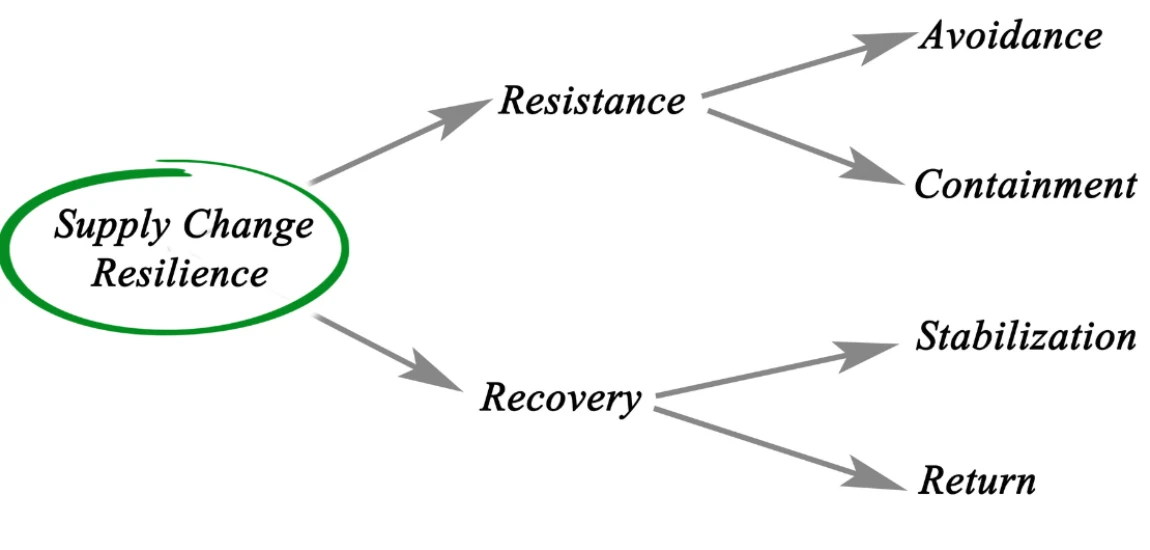
Supply chain resilience is the ability to prepare for disruptions, absorb their effects, recover operations, and adapt to future risks.
A resilient tourism business combines predictive analytics with practical measures such as alternative suppliers, appropriate inventory buffers, clear communication procedures, and emergency purchasing arrangements.
The objective is not to maintain excessive stock or spend money preparing for every imaginable event. It is to understand which disruptions would have the greatest consequences and invest in proportionate safeguards.
When prediction and preparation work together, tourism businesses can reduce uncertainty while maintaining reliable visitor services.
Predicting Supply Shortages and Managing Inventory

Inventory planning is central to tourism supply chain resilience. Businesses need enough supplies to meet demand without tying up excessive money in products that may spoil, expire, or remain unused.
Forecasting Demand for Essential Supplies
Tourism demand changes with seasonality, occupancy, events, weather, and visitor preferences. These changes influence how much food, laundry material, cleaning products, fuel, and other supplies a business requires.
Predictive inventory models can combine historical consumption with future bookings and seasonal patterns to estimate purchasing requirements.
For example, a hotel preparing for a major holiday period can forecast the expected number of guests and calculate likely demand for breakfast ingredients, towels, toiletries, and housekeeping supplies.
More accurate forecasts help businesses place orders earlier, coordinate deliveries, and avoid last-minute purchases at unfavorable prices.
Forecasts should account for uncertainty. Unexpected bookings, cancellations, changing menus, and supply interruptions can cause actual consumption to differ from predictions.
Establishing Safety Stock and Reorder Points
Safety stock is additional inventory held to reduce the risk of shortages when demand or delivery times vary. Reorder points indicate when a business should place a new order to avoid running out of essential items.
These decisions should reflect supplier reliability, product importance, storage capacity, shelf life, and the cost of a shortage.
A resort might maintain additional stock of essential maintenance components with long replacement lead times, while purchasing highly perishable produce more frequently to limit waste.
Businesses should avoid using the same inventory policy for every product. Critical items may require stronger safeguards, whereas readily available supplies can often be managed with smaller buffers.
Reducing Waste Through Intelligent Inventory Rotation
Resilience also means managing resources efficiently. Overstocking perishable products can create food waste, storage costs, and unnecessary financial losses.
Inventory tracking systems can monitor expiry dates, product movement, and consumption patterns. Staff can use first-in, first-out practices where appropriate, improve portion planning, and coordinate purchasing with menus and occupancy forecasts.
Regular inventory audits help identify products that are repeatedly overordered or rarely used.
Combining demand forecasting with sensible safety stock and effective inventory rotation enables tourism businesses to improve supply availability without creating unnecessary waste or excessive working-capital requirements.


Kate McCulley, the voice behind "Adventurous Kate," provides travel advice tailored for women. Her blog encourages safe and adventurous travel for female readers.
Kate McCulley

Prev Post

Next Post