
Digital Heritage Experiences: How AR, VR, and 3D Technology Can Preserve and Recreate Cultural Heritage
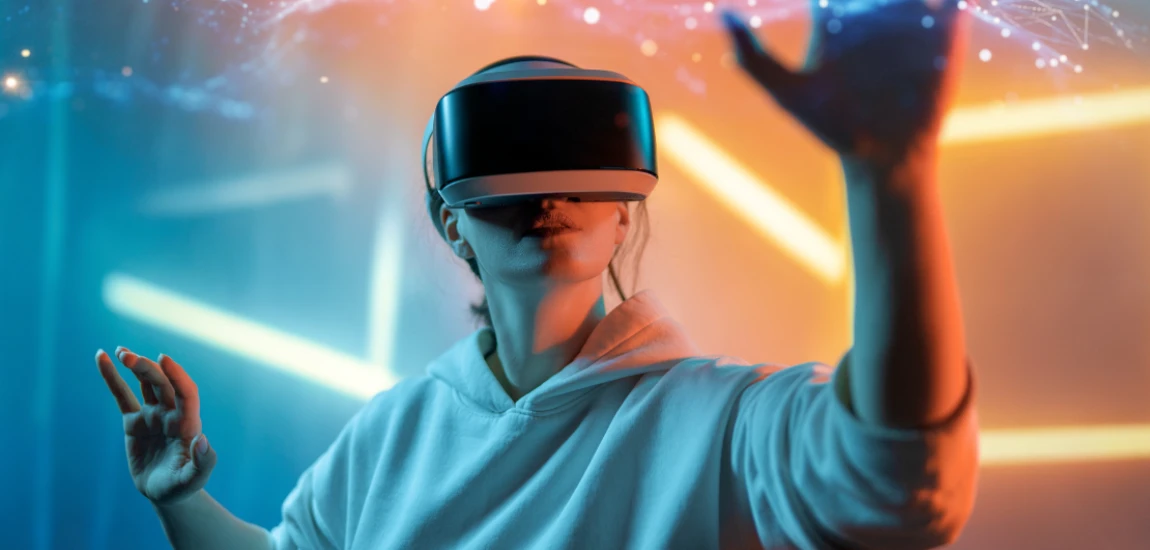
Cultural heritage connects people with the places, traditions, architecture, objects, stories, and memories that shaped communities over generations. Historic buildings, archaeological sites, museums, monuments, traditional crafts, ancient cities, religious architecture, and cultural landscapes all provide valuable connections to the past. Yet much of this heritage faces serious risks from climate change, natural disasters, urban development, conflict, pollution, aging infrastructure, and the simple passage of time.
Technology is creating new ways to protect and experience this heritage. Digital heritage experiences combine tools such as augmented reality (AR), virtual reality (VR), 3D scanning, photogrammetry, spatial computing, digital twins, and interactive storytelling to document cultural assets and make them accessible to wider audiences.
Instead of viewing heritage only through photographs or written descriptions, visitors can potentially explore reconstructed historical environments, examine digital versions of fragile artifacts, or use an AR application to see how a historic location looked centuries ago.
Digital preservation does not replace physical heritage. Instead, it can complement conservation by creating detailed records, expanding educational access, supporting research, and allowing people to experience places that may be damaged, inaccessible, or no longer physically present.
As digital technology becomes more sophisticated, the future of cultural tourism could become increasingly immersive. Museums, heritage organizations, destinations, educators, researchers, and travelers can use these tools to create deeper connections between the past and the present.
What Are Digital Heritage Experiences?

Bringing Cultural Heritage Into Digital Spaces
Digital heritage experiences use technology to document, interpret, recreate, or present cultural heritage in interactive formats. A historic building can be digitally scanned and converted into a detailed 3D model. An archaeological site can be recreated in a virtual environment. An AR application can overlay historical information onto a modern street.
These experiences can make heritage easier to understand because visitors are not limited to static displays.
For example, instead of simply reading that a historic structure once contained a particular architectural feature, visitors could use VR to explore a reconstruction and understand how different rooms were connected.
Combining Preservation With Interpretation
Digital heritage is not simply about creating attractive digital content. It can also support preservation and research.
High-resolution scans and digital records can document the condition of buildings, monuments, sculptures, manuscripts, and archaeological objects. If physical damage occurs later, the digital record may provide valuable reference material for conservation and research.
Digital interpretation can also provide historical context. Visitors can learn how a building changed over time, how a city developed, or how an artifact was used.
This transforms digital technology from a simple entertainment tool into an educational and preservation resource.
Making Heritage More Accessible
Physical heritage sites can be difficult for some people to visit because of distance, cost, mobility limitations, environmental conditions, conservation restrictions, or political circumstances.
Digital experiences can provide alternative forms of access. A student in one country could explore a virtual reconstruction of a historic site in another. A museum visitor could examine a fragile artifact digitally without physically handling it.
This wider accessibility can help cultural heritage reach audiences far beyond its original geographic location.
How AR Can Transform Cultural Heritage Tourism

Adding Historical Layers to Real Places
Augmented reality can combine the physical environment with digital information. Visitors can use smartphones, tablets, smart glasses, or other devices to see digital content overlaid onto real-world surroundings.
Imagine walking through an ancient city and seeing reconstructed buildings appear on the screen where ruins currently stand. Visitors could potentially see historical streets, architectural details, people, objects, and events associated with the location.
This can make complex history easier to visualize.
Creating Interactive Museum Experiences
Museums can use AR to make exhibits more interactive. A visitor could point a device at an artifact and receive information about its origin, construction, historical context, or journey through time.
AR could also display animations showing how an object was manufactured or used.
This type of interpretation can be especially useful for younger audiences who are accustomed to interactive digital experiences.
Supporting Place-Based Learning
AR can turn cities and heritage districts into interactive learning environments. Instead of experiencing history only inside museums, visitors can discover stories while walking through streets, squares, markets, monuments, and historic neighborhoods.
QR codes, location-based applications, AR markers, and geospatial technology can provide information at specific points.
However, good AR design should avoid overwhelming visitors. Digital content should enhance the physical environment rather than distract people from it.
How VR Can Recreate Lost and Inaccessible Heritage

Exploring Places That No Longer Exist
Virtual reality can recreate historical environments that have been damaged, destroyed, or significantly altered.
Using archaeological evidence, historical documents, photographs, architectural drawings, maps, and 3D models, developers and researchers can construct digital reconstructions.
Users can then explore these environments as immersive virtual spaces.
This creates a powerful educational opportunity. Students and visitors can experience historical architecture and landscapes that cannot be visited in their original form.
Creating Immersive Historical Narratives
VR can go beyond showing buildings. It can create narratives around people, events, traditions, and everyday life.
A virtual historical environment could allow users to explore a marketplace, observe traditional crafts, examine architectural details, or understand how communities interacted with their surroundings.
When carefully researched, immersive storytelling can help people understand history as a lived experience rather than a collection of dates and facts.
Providing Access Without Physical Pressure
Some heritage sites are extremely fragile. Large numbers of visitors can contribute to deterioration through foot traffic, humidity changes, touching, vibration, and other environmental pressures.
Virtual reality can provide an alternative experience for some visitors while reducing the need for physical access.
VR cannot replace the emotional value of standing in an authentic historic place, but it can complement conservation strategies by offering additional ways to experience heritage.
The Role of 3D Technology in Heritage Preservation

Digitally Capturing Historic Structures
3D scanning and photogrammetry can capture detailed information about physical objects and buildings.
A scanner can record architectural surfaces and dimensions, while photogrammetry can use photographs to construct detailed three-dimensional models.
These digital models can support conservation planning, research, documentation, education, and restoration.
If a structure changes over time, new scans can be compared with earlier records to identify deterioration.
Preserving Fragile Artifacts Digitally
Museums and heritage organizations can create digital versions of objects that are too fragile for frequent handling.
A 3D model can allow researchers, educators, and visitors to examine an object from different angles without physically touching it.
Digital models can also support replicas for educational purposes. Instead of allowing visitors to handle an extremely fragile original, a museum could provide a physical or digital reproduction for interactive learning.
Supporting Restoration and Research
Three-dimensional documentation can help conservation specialists understand how historic structures were constructed and how they have changed.
Architects, archaeologists, engineers, and historians can examine digital models collaboratively.
In the future, digital twins could allow heritage managers to monitor structures over time and identify potential conservation needs before major deterioration occurs.


Kate McCulley, the voice behind "Adventurous Kate," provides travel advice tailored for women. Her blog encourages safe and adventurous travel for female readers.
Kate McCulley

Prev Post
Next Post