
Local-First Tourism: How Travelers Can Strengthen Small Businesses, Local Culture, and Community Economies
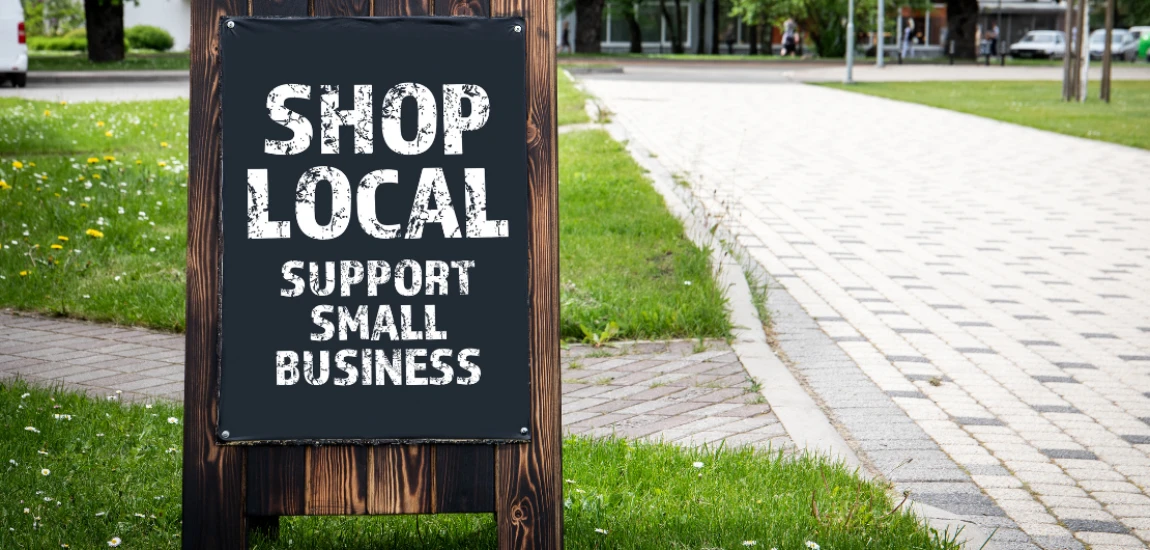
Tourism can be a powerful economic force, but the benefits of travel are not always distributed equally. Large hotel chains, international booking platforms, multinational restaurants, and global retail brands can capture a significant portion of visitor spending, while small businesses and local communities may receive a much smaller share. At the same time, destinations can experience cultural commercialization, rising costs, overcrowding, and pressure on traditional ways of life.
Local-first tourism offers a different approach. It encourages travelers to make choices that keep more economic value within the communities they visit. Instead of automatically choosing international brands or highly commercialized attractions, travelers can seek locally owned hotels, independent restaurants, neighborhood businesses, local guides, artisans, farmers, cultural organizations, and community-based tourism experiences.
This does not mean travelers should avoid every international business. Rather, it encourages visitors to consider who benefits from their spending and how their travel choices affect the people and places around them.
Local-first tourism can also create richer travel experiences. A meal prepared by a local family, a walking tour led by a resident, a handmade product purchased directly from an artisan, or a stay in a locally operated guesthouse can provide cultural insights that standardized tourism experiences may not offer.
When travelers intentionally support local economies, tourism can become more than a way to consume destinations. It can become a mechanism for strengthening communities, protecting cultural identity, encouraging entrepreneurship, and creating more resilient local economies.
Understanding Local-First Tourism

Putting Local Communities at the Center
Local-first tourism places local communities, businesses, culture, and resources at the center of the travel experience. The basic principle is straightforward: whenever practical, travelers should prioritize locally owned services and experiences so that more tourism revenue remains within the destination.
This approach recognizes that a destination is more than its attractions. It is a living community made up of residents, entrepreneurs, workers, artists, farmers, craftspeople, cultural institutions, and local organizations.
When visitors spend money with these groups, tourism can contribute directly to household incomes and community development.
For example, a traveler staying at a locally owned guesthouse may support the owners, employees, food suppliers, cleaners, maintenance workers, and nearby businesses. A locally owned restaurant may purchase ingredients from regional farmers. A local guide may hire community drivers or recommend neighborhood artisans.
One visitor's spending can therefore circulate through multiple parts of the local economy.
Reducing Economic Leakage
Economic leakage occurs when tourism revenue leaves the destination instead of circulating within the local economy. Large international companies may employ local workers, but profits and purchasing decisions can still be connected to businesses outside the destination.
Local-first tourism seeks to reduce this leakage by increasing the share of visitor spending that remains locally.
This does not require eliminating larger tourism businesses. Instead, destinations can create stronger relationships between international tourism companies and local suppliers, producers, guides, farmers, artists, and entrepreneurs.
Creating More Meaningful Travel
Local-first tourism can also improve the quality of travel. Travelers often remember personal interactions, distinctive food, local stories, and unexpected discoveries more strongly than standardized experiences.
Choosing a neighborhood restaurant instead of an international chain can introduce travelers to regional ingredients and family traditions. Booking a locally guided walking tour can provide historical context that is difficult to discover independently.
The economic benefit and cultural benefit can therefore reinforce one another.
How Travelers Can Strengthen Small Businesses

Choosing Locally Owned Accommodation
Accommodation is one of the largest categories of tourism spending. Travelers can support local economies by considering independent hotels, guesthouses, homestays, locally operated lodges, and community-based accommodation.
These businesses may purchase supplies locally, employ residents, and reinvest earnings in the destination.
Travelers should still consider quality, safety, accessibility, and responsible business practices. The objective is not to choose a business simply because it is small, but to identify businesses that contribute positively to the local economy and community.
Eating at Independent Restaurants
Food provides an easy opportunity to practice local-first travel. Instead of eating primarily at international chains, travelers can explore independent restaurants, neighborhood cafés, food markets, family-run eateries, bakeries, and local food producers.
Eating locally can also introduce visitors to regional ingredients and culinary traditions.
Travelers can go beyond simply ordering famous dishes. They can ask restaurant owners about ingredients, visit markets, take local cooking classes, or explore food traditions connected to the destination's history.
This creates an experience that supports both local businesses and cultural understanding.
Buying Directly From Local Producers
Souvenirs can become meaningful when they are connected to local craftsmanship.
Travelers can purchase directly from artisans, cooperatives, independent designers, farmers, artists, and local producers. Handmade textiles, ceramics, woodwork, jewelry, food products, artwork, and other locally produced goods can provide income while helping traditional skills remain economically valuable.
Buying directly also makes it easier for travelers to understand who created the product and how it was made.
Protecting Local Culture Through Tourism

Supporting Living Cultural Traditions
Culture is not simply something displayed for visitors. It is part of everyday community life.
Local-first tourism can help keep cultural traditions economically viable by creating opportunities for musicians, artists, craftspeople, chefs, storytellers, historians, and cultural practitioners.
Travelers can support these individuals by attending locally organized performances, purchasing authentic crafts, participating in workshops, and choosing cultural experiences led by community members.
The objective should be to support living culture rather than turning traditions into artificial performances designed solely to satisfy tourists.
Respecting Cultural Ownership
Travelers should remember that communities have the right to decide how their culture is represented.
Some ceremonies, religious practices, family spaces, sacred locations, and traditional knowledge may not be appropriate for tourism. Visitors should follow local rules and ask permission before photographing people or participating in cultural activities.
Authentic travel does not mean unlimited access to local life. Respecting boundaries is essential to responsible cultural tourism.
Learning Rather Than Consuming
Local-first tourism encourages travelers to approach culture with curiosity and humility.
Learning a few local phrases, understanding basic cultural etiquette, trying regional food, listening to community stories, and asking respectful questions can create more meaningful interactions.
Travelers do not need to become experts in another culture. They simply need to recognize that their destination has its own history, values, traditions, and perspectives.
This mindset transforms cultural tourism from passive observation into respectful exchange.
Strengthening Community Economies Through Travel

Keeping Tourism Spending in the Local Economy
The impact of tourism spending can extend far beyond the business where a traveler makes a purchase.
A locally owned hotel may buy food from local farmers. A local restaurant may employ neighborhood residents. A community tour operator may hire local guides and drivers.
This creates a multiplier effect in which one tourism purchase supports several other economic activities.
Travelers can strengthen this cycle by choosing businesses that source locally and employ community members.
Supporting Local Entrepreneurs
Tourism can provide opportunities for small businesses to grow. Local entrepreneurs may develop food tours, cultural workshops, nature experiences, transportation services, craft businesses, photography tours, wellness activities, or agricultural experiences.
Travelers can help these entrepreneurs by booking directly where possible, leaving thoughtful reviews, recommending them to other visitors, and returning when they visit the destination again.
Digital platforms can also help small businesses reach international audiences, although fair fees and transparent conditions remain important.
Encouraging Economic Resilience
A diverse local tourism economy is generally more resilient than one dependent on a small number of large businesses.
When many independent businesses participate in tourism, economic opportunities can be distributed across different households and sectors.
This can make communities better positioned to respond to seasonal changes, economic disruptions, environmental challenges, and changing traveler preferences.
Local-first tourism can therefore contribute not only to immediate income but also to longer-term economic resilience.


Derek Baron, also known as "Wandering Earl," offers an authentic look at long-term travel. His blog contains travel stories, tips, and the realities of a nomadic lifestyle.
Derek Baron

Prev Post

Next Post