
Future-Friendly Destinations: How Cities Are Redesigning Travel Around Technology, Sustainability, and Human Needs
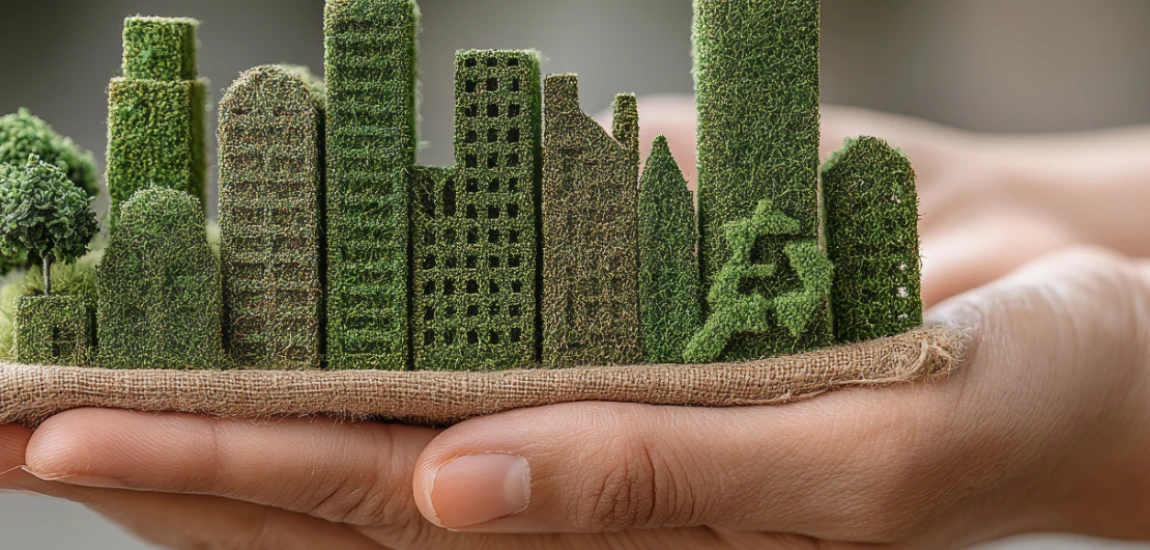
Cities have always been at the center of global tourism. They bring together culture, architecture, food, entertainment, business, history, and communities, making them attractive destinations for millions of travelers. But the traditional model of urban tourism is facing new challenges. Congestion, pollution, climate change, overcrowding, resource consumption, rising housing costs, and pressure on public infrastructure are forcing cities to rethink how tourism should work.
This transformation is giving rise to future-friendly destinations—cities designed not only to attract visitors but also to remain comfortable, resilient, sustainable, and livable for the people who call them home.
The future of urban travel is increasingly connected to smart technology, renewable energy, sustainable transportation, green public spaces, accessible infrastructure, digital services, and human-centered planning. Instead of building cities exclusively around visitor demand, destination planners are beginning to consider how tourism can coexist with everyday community life.
Technology plays an important role in this transition. Artificial intelligence can help destinations understand visitor patterns, while smart sensors can monitor traffic, energy consumption, air quality, and water use. Digital platforms can help travelers navigate public transportation and discover less crowded attractions.
At the same time, sustainability is becoming a core part of destination design. Cities can invest in electric mobility, pedestrian areas, cycling infrastructure, renewable energy, waste reduction, water conservation, and climate-resilient buildings.
Most importantly, future-friendly destinations recognize that better travel should also mean better places to live. When tourism infrastructure improves public spaces, transportation, accessibility, environmental quality, and local economic opportunities, both visitors and residents benefit.
Smart Technology Is Creating More Responsive Destinations

Technology is becoming one of the most important tools for managing modern tourism. Future-friendly destinations are moving beyond basic digital services and developing connected systems that can help cities understand how visitors move, what infrastructure they use, and where tourism pressure is increasing.
Using Data to Understand Visitor Movement
Large numbers of tourists can create congestion at famous landmarks, transportation hubs, shopping districts, and entertainment areas. Traditional destination management often reacts to these problems after they occur. Smart tourism technology creates opportunities for more proactive management.
Cities can use anonymized mobility data, digital ticketing information, transportation data, and other sources to understand visitor flows. This information can reveal peak periods and overcrowded locations.
Destination managers can then encourage travelers to explore alternative neighborhoods, attractions, museums, parks, and cultural areas. Digital travel platforms can recommend less crowded locations based on time, location, and visitor preferences.
This approach can improve the visitor experience while distributing tourism activity more evenly throughout the city.
Artificial Intelligence and Personalized Travel
Artificial intelligence can also make urban travel more responsive. AI travel assistants can help visitors find attractions, restaurants, transportation options, and cultural experiences based on individual interests.
Instead of presenting every traveler with the same list of popular attractions, intelligent systems could consider preferences such as budget, walking ability, travel pace, environmental priorities, food interests, and cultural curiosity.
AI could also help travelers adapt when conditions change. If public transportation is disrupted or an attraction becomes overcrowded, an intelligent system could suggest alternatives.
The goal should not be to automate every travel decision. Technology should reduce unnecessary complexity while allowing travelers to remain in control.
Connected Infrastructure
Smart cities are increasingly connecting transportation systems, public spaces, buildings, utilities, and digital services.
Sensors can monitor traffic, energy use, air quality, noise, water consumption, and waste. This information can help cities identify problems and respond more efficiently.
For travelers, connected infrastructure could mean more reliable public transportation, easier navigation, real-time information, and better access to city services.
For residents, the same systems can improve everyday urban life.
Sustainable Mobility Is Redesigning the Urban Travel Experience

Transportation is central to tourism and has a significant influence on the environmental impact of urban travel. Future-friendly destinations are therefore redesigning mobility systems around cleaner, safer, and more convenient transportation.
Expanding Public Transportation
Reliable public transportation can reduce dependence on private cars while allowing visitors to explore cities more efficiently.
Modern metro systems, electric buses, trams, commuter rail, and integrated ticketing can make public transportation easier for international visitors.
Digital applications can provide real-time schedules, route information, payment options, and accessibility details.
When public transportation is convenient, travelers are more likely to use it instead of taxis or rental cars for every journey.
Designing Walkable and Cyclable Cities
Walking is one of the simplest ways to experience a destination. Pedestrian-friendly streets allow visitors to notice architecture, local businesses, public art, restaurants, markets, and neighborhood life at a slower pace.
Cities can create wider sidewalks, car-free zones, shaded walking routes, pedestrian crossings, and safe connections between attractions.
Cycling infrastructure can provide another low-impact option. Bike-sharing systems and protected cycling lanes allow travelers to explore larger areas without increasing traffic congestion.
These improvements benefit residents as much as tourists.
Electric and Shared Mobility
Electric buses, electric taxis, shared bicycles, scooters, and other low-emission transportation options can reduce urban pollution when they are properly managed.
Future-friendly destinations may also integrate mobility services through unified digital platforms, allowing travelers to compare different transportation options in one place.
The future of urban tourism is therefore likely to become less dependent on private vehicles and more focused on connected mobility networks.
Green Infrastructure Is Becoming Essential to Future-Friendly Destinations

Sustainable cities need more than digital technology. They also need natural systems that can improve environmental quality, climate resilience, and human well-being.
Creating More Urban Green Spaces
Parks, gardens, tree-lined streets, green corridors, and urban forests can transform the travel experience.
Green spaces provide places for travelers to rest between sightseeing activities while also giving residents opportunities for recreation.
Urban vegetation can provide shade, support biodiversity, reduce heat, and improve the visual quality of dense city environments.
Future-friendly destinations can connect green spaces rather than treating them as isolated parks. Green corridors can link neighborhoods, waterfronts, cultural districts, and transportation hubs.
Climate-Resilient Urban Design
Cities are increasingly facing heatwaves, flooding, extreme rainfall, drought, and other climate-related challenges.
Tourism infrastructure must therefore become more resilient. Cities can incorporate permeable surfaces, rain gardens, flood-resistant infrastructure, shade structures, cooling spaces, and climate-adaptive buildings.
For travelers, this can create safer and more comfortable destinations during increasingly challenging weather conditions.
Climate resilience also protects the infrastructure that residents depend on.
Sustainable Buildings and Hotels
Hotels and tourism facilities can reduce resource consumption through energy-efficient lighting, renewable energy, water-saving systems, efficient cooling, sustainable materials, and improved waste management.
Future-friendly accommodation can also integrate biophilic design by incorporating natural light, vegetation, natural materials, and outdoor spaces.
These approaches can create healthier environments while reducing the ecological footprint of tourism.
Human-Centered Design Is Changing What Makes a Destination Successful

Technology and sustainability are important, but future-friendly destinations ultimately need to serve people. A city cannot be considered successful simply because it has smart infrastructure. It must also be comfortable, inclusive, accessible, and enjoyable.
Designing for Residents and Visitors
Tourism development can sometimes prioritize visitor experiences while increasing costs or inconvenience for residents. Future-friendly destination planning needs to avoid this imbalance.
Tourism infrastructure should improve everyday life rather than exist exclusively for tourists.
Better public transportation, cleaner streets, safer walking areas, public parks, cultural spaces, and improved digital services can benefit everyone.
The success of tourism should therefore be measured partly by its contribution to resident well-being.
Improving Accessibility
Accessible tourism is an important part of human-centered destination design.
Cities can improve accessibility through step-free transportation, accessible sidewalks, elevators, tactile navigation systems, accessible bathrooms, clear signage, and digital information.
Travelers with disabilities, older visitors, families with young children, and people with temporary mobility challenges can all benefit from inclusive infrastructure.
Accessibility should be considered from the beginning of urban planning rather than added as an afterthought.
Creating Spaces for Slower Travel
Future-friendly destinations may also move away from the idea that travelers need to visit as many attractions as possible.
Public squares, pedestrian neighborhoods, waterfront promenades, parks, cafés, libraries, markets, and cultural spaces can encourage travelers to slow down and experience everyday city life.
This supports meaningful travel while potentially reducing pressure on a small number of major tourist attractions.


Ben Schlappig runs "One Mile at a Time," focusing on aviation and frequent flying. He offers insights on maximizing travel points, airline reviews, and industry news.
Ben Schlappig

Prev Post
Next Post