
Cultural Knowledge Preservation Networks – Using Tourism to Preserve Traditional Knowledge, Crafts, and Local Identities
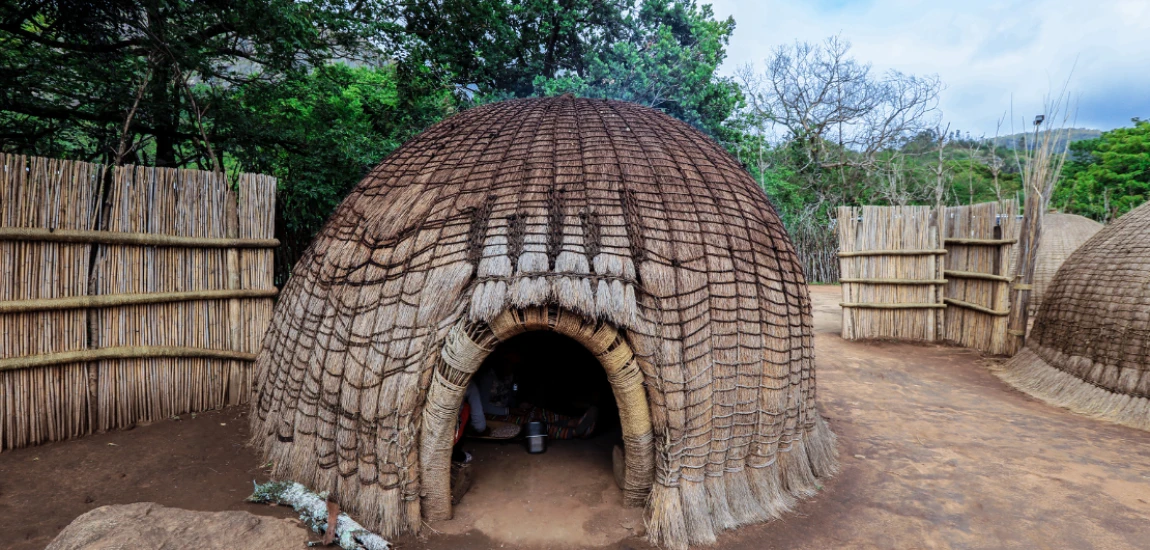
Tourism allows people to discover different cultures, traditions, crafts, stories, foods, languages, landscapes, and ways of life. For many travelers, authentic cultural experiences are among the most meaningful parts of a journey. However, globalization, urbanization, changing lifestyles, migration, technological transformation, and declining interest among younger generations can place traditional knowledge and cultural practices under pressure.
Traditional crafts may disappear when fewer people learn them. Local languages and stories can become less common. Traditional agricultural techniques may be replaced by modern practices. Handmade products can be replaced by mass-produced souvenirs.
Tourism can either contribute to these challenges or become part of the solution.
Cultural Knowledge Preservation Networks provide a framework for connecting tourism with communities, artisans, cultural organizations, educators, businesses, museums, researchers, and destination managers to preserve and share traditional knowledge.
These networks recognize that cultural heritage is not limited to monuments and historic buildings. It also includes intangible heritage such as storytelling, traditional craftsmanship, music, dance, culinary knowledge, local ecological practices, festivals, oral histories, indigenous knowledge, and community traditions.
When tourism is carefully designed, visitors can support the continuation of these practices by purchasing authentic products, participating in workshops, visiting community-run cultural spaces, hiring local cultural guides, and engaging respectfully with living traditions.
The objective is not to turn culture into a commercial product. Instead, tourism should provide communities with resources, visibility, and incentives to maintain cultural knowledge on their own terms.
Understanding Cultural Knowledge Preservation Networks

What Cultural Knowledge Preservation Means
Cultural knowledge preservation involves maintaining knowledge, skills, traditions, stories, practices, and identities so they can continue across generations.
Some forms of knowledge exist in physical objects, such as textiles, pottery, tools, musical instruments, architecture, and artwork.
Other forms are intangible.
They may include recipes, songs, traditional medicine knowledge, farming practices, oral histories, ceremonies, craft techniques, and storytelling traditions.
Preservation requires more than recording these practices.
Knowledge remains stronger when people continue to practice, teach, and use it.
Creating Networks Instead of Isolated Projects
A cultural preservation network connects multiple participants.
Artisans can work with tourism businesses. Elders can collaborate with younger learners. Museums can partner with schools. Local governments can support cultural enterprises. Tourism organizations can promote community experiences.
This creates an ecosystem around cultural knowledge.
Instead of one artisan trying to preserve a traditional craft alone, the network can provide training, markets, documentation, visitor opportunities, and intergenerational learning.
Keeping Communities at the Center
The community should remain the primary owner and decision-maker regarding its cultural knowledge.
Tourism organizations should not decide independently how traditions should be presented.
Communities should determine which practices can be shared publicly, which should remain private, how cultural stories are interpreted, and how tourism income is distributed.
This approach protects cultural dignity and reduces the risk of inappropriate commercialization.
Using Tourism to Support Traditional Crafts and Skills

Creating Markets for Local Crafts
Traditional crafts can struggle when handmade products compete with inexpensive mass-produced goods.
Tourism can create new markets for authentic crafts.
Visitors often want meaningful souvenirs connected to the destination.
Artisans can sell textiles, pottery, woodwork, jewelry, baskets, artwork, traditional clothing, and other locally produced goods.
When visitors purchase directly from artisans or community cooperatives, tourism income can support the continuation of craft practices.
Developing Craft Workshops
Tourism can go beyond selling finished products.
Visitors can participate in workshops where artisans demonstrate traditional techniques.
A traveler might learn how pottery is made, observe textile weaving, participate in traditional cooking, or learn a local artistic technique.
These experiences provide income while allowing artisans to teach their knowledge.
They can also create deeper connections between visitors and communities.
Supporting Young Craft Practitioners
One of the biggest challenges facing traditional crafts is the decline in younger practitioners.
If young people believe that traditional skills have no economic future, they may choose other careers.
Tourism can change this perception by creating viable income opportunities.
Apprenticeship programs, paid workshops, craft markets, digital sales, and cultural tourism businesses can make traditional skills economically relevant.
The objective should be to make cultural knowledge a respected and sustainable career option rather than simply expecting young people to preserve traditions without compensation.
Preserving Local Stories, Languages, and Cultural Identity

Protecting Oral Histories
Many communities preserve their history through stories rather than written documents.
Elders may hold knowledge about migration, historical events, landscapes, families, traditions, and community values.
Tourism can support oral-history projects where community members document these stories.
Cultural centers, museums, guided tours, podcasts, digital archives, and storytelling events can help make these histories accessible.
However, communities should control how stories are recorded and shared.
Supporting Local Languages
Language is closely connected to cultural identity.
When a language disappears, unique ways of describing landscapes, traditions, relationships, and knowledge may also disappear.
Tourism experiences can create positive visibility for local languages.
Visitors can be introduced to traditional greetings, place names, songs, storytelling, and culturally appropriate expressions.
Signage can include local language alongside widely understood languages.
This should be done respectfully rather than treating the language as decorative.
Creating Living Cultural Experiences
Cultural preservation becomes stronger when traditions remain part of everyday community life.
Tourism should encourage visitors to experience culture as something living rather than something frozen in the past.
Local festivals, food traditions, music, crafts, storytelling, community markets, and traditional practices can become part of responsible tourism experiences.
Visitors should be encouraged to observe and participate appropriately while respecting community boundaries.
Building Digital Cultural Knowledge Networks

Digitally Documenting Cultural Heritage
Technology provides new opportunities to preserve cultural knowledge.
Communities can use digital tools to record interviews, craft techniques, recipes, music, stories, photographs, traditional architecture, and historical information.
Digital archives can help preserve knowledge that might otherwise disappear.
However, digital documentation should be managed carefully.
Not every cultural practice should be publicly available online.
Sensitive knowledge may require restricted access or community-controlled platforms.
Creating Interactive Cultural Platforms
Digital tourism platforms can help visitors discover local cultural experiences.
A destination website or mobile application might include information about artisans, cultural workshops, traditional foods, heritage sites, local festivals, and community tourism experiences.
Interactive maps can connect visitors with cultural locations.
Digital storytelling can also provide context before visitors arrive.
This can encourage more respectful and informed tourism.
Using Technology to Connect Generations
Digital technology can connect younger community members with cultural knowledge holders.
Young people can participate in recording oral histories, creating digital exhibitions, documenting crafts, developing cultural websites, or producing multimedia storytelling projects.
This gives younger generations an active role in preservation.
Instead of viewing cultural heritage as an old-fashioned responsibility, they can become creators and innovators within the cultural knowledge network.


Known as "Nomadic Matt," Matthew Kepnes offers practical travel advice with a focus on budget backpacking. His blog aims to help people travel cheaper and longer.
Matthew Kepnes

Prev Post

Next Post