
Zero-Waste Tourism Design Systems – Reducing Waste Through Reuse, Recycling, and Sustainable Tourism Operations
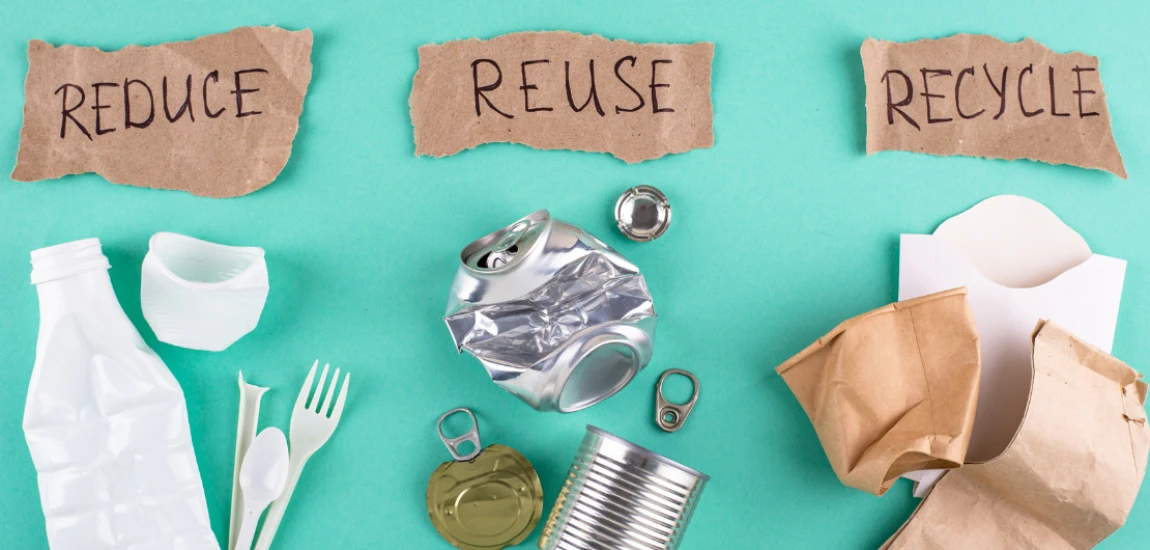
Tourism creates significant economic and social opportunities, but it can also generate large amounts of waste. Hotels, restaurants, airports, attractions, events, transportation providers, cruise operations, and destinations all consume materials and produce waste throughout the visitor journey. Food leftovers, plastic packaging, disposable products, paper, glass, construction materials, textiles, electronic equipment, and other discarded resources can place pressure on local waste-management systems.
As tourism continues to grow, simply collecting and disposing of waste is no longer enough.
The future of sustainable tourism requires destinations to rethink how resources are purchased, used, reused, repaired, recycled, and recovered.
This is where Zero-Waste Tourism Design Systems become important.
Zero-waste tourism is based on the idea that tourism operations should minimize the amount of material sent to landfill or incineration while keeping valuable resources in productive use for as long as possible. Rather than treating waste as an unavoidable by-product of tourism, zero-waste systems view many discarded materials as resources that can be recovered, reused, redesigned, or prevented altogether.
This approach combines waste reduction, circular tourism, sustainable tourism operations, resource recovery, recycling, reuse, sustainable procurement, food-waste prevention, and responsible destination design.
The objective is not necessarily to eliminate every piece of waste immediately. Instead, destinations can create systems that progressively reduce unnecessary consumption and move toward circular resource management.
Understanding Zero-Waste Tourism Design Systems

What Zero-Waste Tourism Means
Zero-waste tourism focuses first on preventing waste.
Instead of asking how tourism businesses can dispose of more waste, the system asks why the waste is being generated in the first place.
For example, a hotel may provide thousands of single-use toiletry containers every year. Recycling those containers is useful, but eliminating unnecessary single-use packaging can be even more effective.
Similarly, a restaurant can reduce food waste through better purchasing, inventory management, portion planning, food donation, and composting.
Zero-waste tourism therefore follows a hierarchy: refuse, reduce, reuse, repair, repurpose, recycle, and recover before disposal becomes the final option.
Designing Waste Out of Tourism Operations
Zero-waste design begins before a product enters a tourism business.
Hotels and restaurants can choose durable products instead of disposable alternatives. Attractions can select reusable event materials. Tourism offices can reduce printed promotional materials by using digital communication.
The objective is to prevent waste through design and procurement.
This requires businesses to consider the complete life cycle of products.
A cheap disposable product may appear economical initially, but a durable reusable alternative can create greater environmental and financial value over time.
Creating a Circular Tourism Mindset
Zero-waste systems are closely connected to the circular economy.
A circular tourism model keeps materials circulating within the economy instead of following a linear pattern of buy → use → discard.
For example, old hotel furniture can be repaired or donated. Food scraps can become compost. Used cooking oil can be recovered for appropriate processing. Reusable packaging can return to suppliers.
This creates a tourism system where resources remain valuable for longer.
Reducing Waste Through Reuse and Sustainable Operations

Replacing Single-Use Products
Single-use products are a major target for waste reduction.
Tourism businesses can replace disposable cups, bottles, cutlery, packaging, toiletries, and promotional materials with reusable or refillable alternatives where practical.
Hotels can install refillable bathroom dispensers instead of individually packaged toiletries.
Restaurants can use reusable service items and bulk purchasing systems.
Tourism events can provide water refill stations and reusable serving materials.
These changes can reduce waste while also lowering the repeated cost of purchasing disposable products.
Building Reuse Into Hotel Operations
Hotels consume large quantities of materials.
Linens, furniture, kitchen equipment, packaging, cleaning products, and amenities all contribute to resource consumption.
Hotels can introduce reuse programs for suitable materials.
Furniture can be refurbished instead of replaced. Damaged textiles may be converted into cleaning materials. Packaging can be returned to suppliers.
Laundry operations can also be optimized to reduce water, energy, and chemical consumption.
The goal is to create operational systems where products remain useful for as long as possible.
Creating Reusable Tourism Infrastructure
Destinations can apply reuse principles to public infrastructure.
Temporary event structures, signage, exhibition materials, decorative items, and visitor information systems can be designed for repeated use.
Instead of producing new materials for every festival or tourism campaign, destinations can create modular systems that can be adapted to different events.
This reduces material consumption and can lower long-term operational costs.
Improving Recycling and Resource Recovery

Designing Effective Recycling Systems
Recycling can play an important role when waste cannot be avoided or reused.
However, effective recycling requires proper systems.
Tourism destinations should provide clearly labeled collection points for materials such as paper, cardboard, glass, metals, and appropriate plastics.
Bins should be placed where visitors naturally generate waste.
Clear visual instructions can make recycling easier for international visitors who may be unfamiliar with local waste systems.
Improving Waste Separation
Waste separation is essential for successful recycling.
When recyclable materials are mixed with food waste or contaminated materials, their recovery may become more difficult.
Hotels, restaurants, airports, attractions, and events can establish separation systems throughout their operations.
Staff training is equally important.
Employees should understand what belongs in each waste stream and how materials should be handled.
Visitors can also be encouraged to participate through simple instructions and convenient collection points.
Recovering Valuable Resources
Zero-waste tourism goes beyond conventional recycling.
Organic waste can be composted or processed through appropriate systems. Certain materials can be recovered for industrial use. Used equipment can potentially be refurbished or recycled through specialist providers.
Resource recovery can create economic opportunities.
Local recycling enterprises, composting businesses, repair services, and material-recovery organizations can become part of the tourism value chain.
This can create jobs while reducing the volume of tourism waste sent to disposal.


Ben Schlappig runs "One Mile at a Time," focusing on aviation and frequent flying. He offers insights on maximizing travel points, airline reviews, and industry news.
Ben Schlappig

Prev Post

Next Post