
Biophilic Destination Design: How Nature-Inspired Architecture Could Transform Hotels and Cities
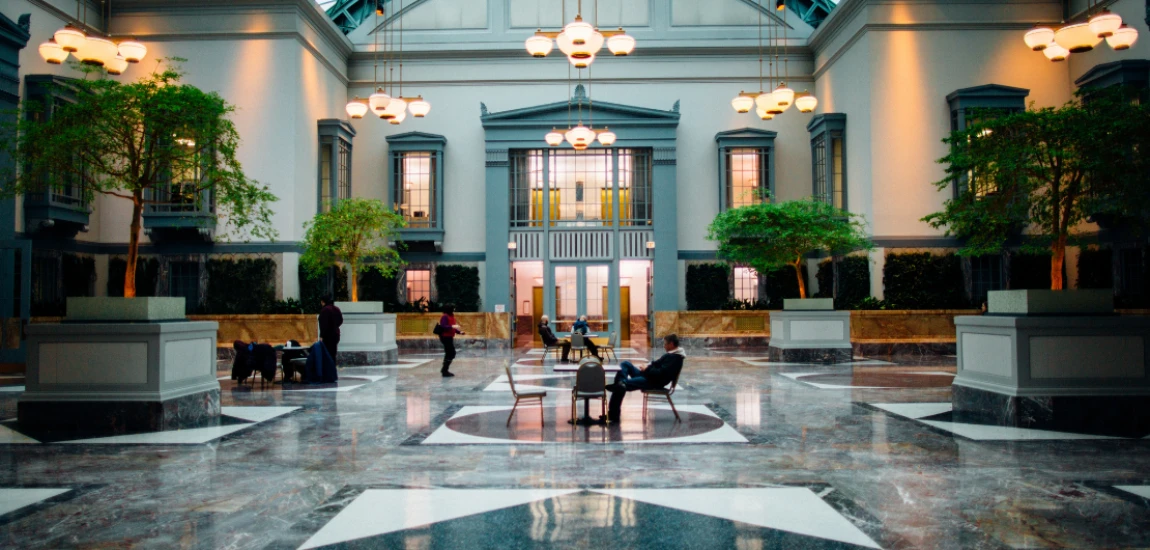
Modern cities and tourism destinations are increasingly shaped by concrete, glass, technology, traffic, and dense infrastructure. These environments provide convenience and economic opportunity, but they can also create a growing sense of separation from the natural world. As travelers search for calmer, greener, and more meaningful experiences, architects, hotel developers, and destination planners are exploring a different approach: biophilic destination design.
Biophilic design is based on the idea of creating stronger connections between people and nature through architecture, landscapes, materials, light, water, vegetation, natural patterns, and outdoor experiences. Instead of treating nature as decoration added after construction, biophilic destination design integrates natural elements into the structure and identity of hotels, resorts, public spaces, neighborhoods, and entire cities.
For tourism, this could represent a major shift. Hotels could incorporate living walls, courtyards, natural ventilation, gardens, daylight, water features, and locally sourced materials. Cities could develop green corridors, tree-lined streets, rooftop gardens, urban forests, shaded pedestrian routes, and nature-integrated public spaces.
The result could be destinations that are not only visually attractive but also more comfortable, memorable, sustainable, and human-centered. As the future of tourism moves toward wellness, regenerative travel, climate adaptation, and meaningful experiences, nature-inspired architecture could become a defining feature of next-generation destinations.
What Is Biophilic Destination Design?

Biophilic destination design applies nature-connected principles to tourism destinations, hotels, resorts, public spaces, transportation areas, and urban environments. Its central idea is simple: people should be able to experience meaningful connections with nature even when they are staying in highly developed environments.
Bringing Nature Into Architecture
Traditional architecture often separates indoor and outdoor environments. Biophilic architecture attempts to blur that boundary.
Hotels can use large windows overlooking gardens, balconies with vegetation, open-air corridors, internal courtyards, natural ventilation, and terraces that connect guests directly with outdoor spaces.
Instead of simply placing a few plants inside a lobby, the entire building can be organized around natural experiences. A hotel might be designed around a central garden, allowing guests to see vegetation from bedrooms, restaurants, lounges, and walkways.
This approach can make nature part of the architecture rather than an afterthought.
Natural materials can also contribute to this connection. Wood, stone, bamboo, clay, natural fibers, and other regionally appropriate materials can create visual and tactile relationships with the surrounding landscape.
Designing With Natural Patterns
Biophilic design is not limited to living plants. Nature-inspired patterns, shapes, textures, colors, and spatial arrangements can also influence architecture.
Curved pathways, leaf-inspired structures, organic textures, natural fractal patterns, and views of changing landscapes can introduce subtle references to nature.
Hotels and public spaces can use these principles to create environments that feel less mechanical and more connected to their surroundings.
The strongest designs are often those where nature feels integrated rather than artificially inserted.
Making Nature Part of the Destination Identity
Biophilic destination design can also strengthen a destination's identity.
A coastal hotel might be organized around ocean views, native vegetation, natural stone, shaded outdoor spaces, and water-sensitive landscaping. A forest destination might emphasize timber architecture, woodland trails, natural ventilation, and views through the trees.
This creates a stronger relationship between the built environment and the local ecosystem.
Rather than building the same generic hotel everywhere, developers can create architecture that reflects the character of the place.
That can make tourism experiences more distinctive while encouraging greater appreciation for local landscapes.
How Biophilic Design Could Transform Hotels and Resorts

Hotels are particularly well positioned to benefit from biophilic design because guests increasingly expect accommodation to provide more than a place to sleep. They want comfort, wellness, memorable environments, and experiences that help them disconnect from everyday routines.
Creating Nature-Integrated Guest Rooms
Guest rooms can become calmer through thoughtful access to daylight, greenery, outdoor views, natural materials, and fresh air.
Large windows can frame gardens, forests, mountains, beaches, or urban greenery. Balconies and terraces can provide private outdoor areas where guests can sit, read, or enjoy the surrounding environment.
Interior design can reinforce the relationship with nature through timber surfaces, natural fabrics, stone, plants, organic shapes, and landscape-inspired artwork.
The objective is not to make every hotel room look like a jungle. Instead, designers can create a subtle sense of connection with the natural world.
Developing Green Common Areas
Hotel lobbies, restaurants, lounges, spas, and meeting areas can also incorporate nature.
Indoor gardens, courtyards, green walls, planted atriums, water features, and shaded terraces can create memorable social spaces.
Restaurants could offer garden dining areas where guests eat surrounded by vegetation. Rooftops could become green terraces rather than unused surfaces.
These spaces can provide travelers with opportunities to experience nature without leaving the property.
Designing Hotels for Wellness and Recovery
Biophilic hospitality can connect naturally with wellness tourism.
Travelers seeking rest may value quiet gardens, natural daylight, outdoor walking paths, meditation areas, water environments, and peaceful views.
Instead of separating the hotel from the surrounding landscape, designers can use the landscape as part of the guest experience.
This could create hotels where relaxation is built into the physical environment rather than offered only through spa treatments or scheduled wellness activities.
Biophilic design can therefore support the growing demand for restorative and human-centered hospitality.
Biophilic Cities and Urban Tourism

Biophilic destination design is not limited to hotels and resorts. Cities can also become tourism environments where nature is integrated into everyday urban life.
Creating Green Urban Corridors
Cities can develop connected networks of parks, tree-lined streets, gardens, waterways, cycling paths, and pedestrian routes.
These green corridors can connect tourist attractions while creating more pleasant routes between them.
Instead of forcing visitors to travel entirely through traffic-heavy streets, cities can provide nature-rich alternatives.
A visitor could walk from a cultural district through a shaded green corridor to a public garden, waterfront, or historic neighborhood.
This changes the journey between attractions from simple transportation into part of the travel experience.
Turning Rooftops Into Living Spaces
Urban rooftops represent another opportunity.
Hotels, shopping centers, offices, and public buildings can potentially use rooftops for gardens, shaded seating, restaurants, observation areas, and biodiversity spaces.
A green rooftop can become both an environmental feature and a tourism attraction.
Rooftop gardens can provide visitors with views of the city while introducing vegetation into dense urban areas.
In destinations where land is limited, these spaces could become particularly valuable.
Designing Streets for People and Nature
Biophilic cities can rethink streets as more than spaces for vehicles.
Trees, planted areas, shaded sidewalks, rain gardens, seating, water-sensitive landscaping, and pedestrian zones can make streets more inviting.
For tourists, these features can improve walkability and encourage slower exploration.
For residents, they can create more pleasant everyday environments.
This is an important principle of sustainable tourism: infrastructure designed for visitors should also improve quality of life for local communities.
Nature, Climate Resilience, and Sustainable Destination Design

Biophilic destination design can also support environmental goals when it is implemented responsibly. Nature-based infrastructure can provide functions beyond visual beauty.
Using Vegetation for Climate Adaptation
Trees and vegetation can provide shade in urban areas and contribute to cooler outdoor environments.
Hotels and destinations facing hotter conditions can incorporate trees, green roofs, planted courtyards, shaded walkways, and other landscape strategies into their designs.
This can become increasingly relevant as destinations adapt to changing climate conditions.
The goal should be to select appropriate species and landscaping methods based on local ecological conditions rather than simply importing ornamental plants.
Managing Rainwater Naturally
Nature-inspired infrastructure can also help destinations manage water.
Rain gardens, permeable surfaces, planted drainage areas, wetlands, green roofs, and restored waterways can help manage rainfall while creating attractive landscapes.
Instead of treating rainwater entirely as a problem to be moved away through underground infrastructure, destination designers can integrate water into the landscape.
These systems can create educational and recreational opportunities while supporting environmental resilience.
Supporting Urban Biodiversity
Tourism development can place pressure on natural ecosystems. Biophilic design offers an opportunity to make biodiversity part of the built environment.
Native plants, pollinator gardens, bird-friendly landscapes, habitat corridors, and ecological restoration areas can provide space for wildlife.
Hotels can even create educational experiences around local biodiversity.
This supports a transition from simply minimizing environmental damage toward nature-positive tourism, where tourism development can contribute to ecological improvement.


Shivya Nath authors "The Shooting Star," a blog that covers responsible and off-the-beaten-path travel. She writes about sustainable tourism and community-based experiences.
Shivya Nath

Prev Post

Next Post