
Zero-Carbon Hydrogen Intelligence Systems and the Evolution of Sustainable Energy Ecosystems
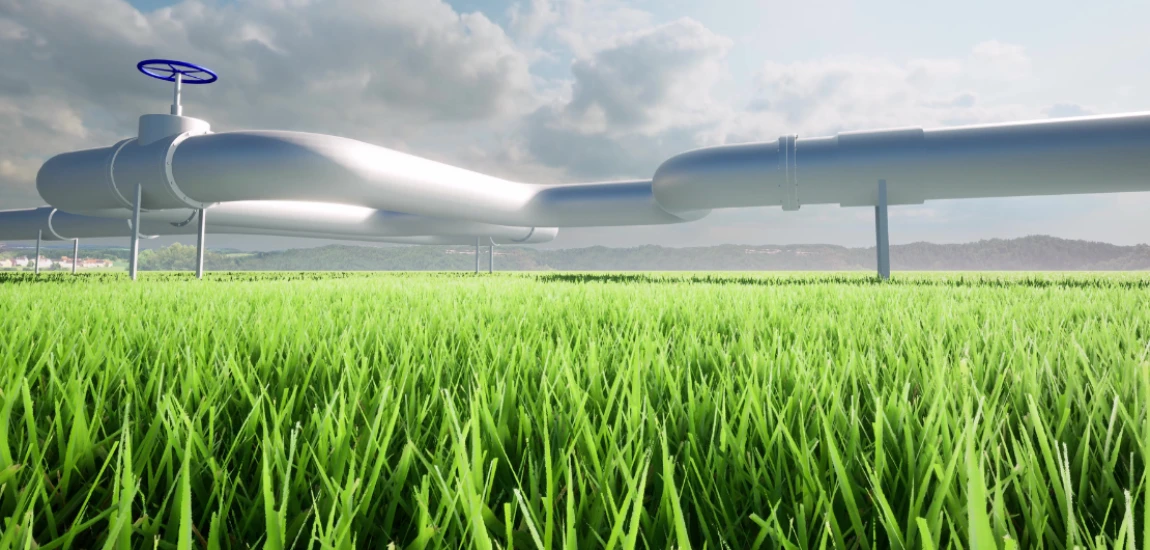
As countries work toward reducing greenhouse gas emissions and achieving net-zero climate goals, the global energy sector is undergoing a major transformation. Renewable energy sources such as solar and wind are expanding rapidly, but their intermittent nature creates challenges for maintaining a stable and reliable power supply. Green hydrogen has emerged as a promising energy carrier because it can store renewable electricity, provide fuel for difficult-to-electrify industries, and support long-term energy security. Combined with artificial intelligence (AI), advanced sensors, and digital energy management, this vision is evolving into what can be described as Zero-Carbon Hydrogen Intelligence Systems.
Rather than representing a single technology, zero-carbon hydrogen intelligence systems combine renewable-powered hydrogen production, smart energy infrastructure, AI-based optimization, predictive analytics, and digital monitoring into an integrated energy ecosystem. These systems aim to improve how hydrogen is produced, stored, transported, and utilized while maximizing efficiency and reducing environmental impact. AI can help forecast renewable energy generation, optimize electrolyzer performance, monitor hydrogen storage facilities, and balance electricity demand with hydrogen production.
Although many hydrogen projects remain in the demonstration or early commercial stages, governments and industries worldwide are investing heavily in green hydrogen infrastructure. As renewable energy capacity continues to grow, intelligent hydrogen systems are expected to play an increasingly important role in decarbonizing transportation, manufacturing, power generation, and heavy industry. Understanding these technologies provides valuable insight into the future of sustainable energy ecosystems.
Understanding Zero-Carbon Hydrogen Intelligence Systems

What Are Zero-Carbon Hydrogen Intelligence Systems?
Zero-carbon hydrogen intelligence systems are integrated energy platforms that combine green hydrogen production with intelligent digital technologies to improve efficiency, reliability, and sustainability. These systems use renewable electricity—typically generated from solar, wind, or hydropower—to produce hydrogen through water electrolysis. Artificial intelligence, Internet of Things (IoT) sensors, cloud computing, and predictive analytics help manage every stage of the hydrogen value chain.
Unlike traditional hydrogen production methods that often rely on fossil fuels and generate carbon emissions, green hydrogen is produced using renewable electricity and does not release carbon dioxide during the electrolysis process. Intelligent management systems further improve performance by continuously monitoring operating conditions, forecasting renewable energy availability, and optimizing production schedules.
These technologies create a flexible energy ecosystem capable of integrating renewable power generation with hydrogen storage and distribution while supporting long-term decarbonization strategies.
How They Differ from Conventional Energy Systems
Traditional energy systems primarily depend on fossil fuels such as coal, oil, and natural gas. While these fuels provide reliable energy, they also contribute significantly to greenhouse gas emissions and climate change. In addition, balancing electricity supply and demand becomes increasingly complex as renewable energy sources generate variable output depending on weather conditions.
Zero-carbon hydrogen intelligence systems address these challenges by converting excess renewable electricity into hydrogen during periods of high energy production. The stored hydrogen can later be used to generate electricity, fuel industrial processes, or power transportation systems when renewable generation decreases. AI-based energy management continuously analyzes production and demand to optimize system performance and improve energy efficiency.
Why Intelligent Hydrogen Systems Matter
The transition to low-carbon energy requires flexible technologies capable of storing renewable energy for long periods while supporting sectors that are difficult to electrify directly. Hydrogen offers one of the most promising solutions because it can function as both an energy carrier and an industrial feedstock.
Intelligent hydrogen systems enhance this capability by improving operational efficiency, reducing energy waste, increasing infrastructure reliability, and supporting data-driven decision-making. As renewable energy deployment expands globally, these integrated systems are expected to become increasingly important for achieving climate objectives and strengthening energy resilience.
Core Technologies Behind Sustainable Energy Ecosystems

Green Hydrogen Production Through Electrolysis
Green hydrogen is produced using electrolyzers that split water into hydrogen and oxygen using electricity generated from renewable energy sources. When powered by solar, wind, hydroelectric, or other renewable resources, the production process generates little to no direct carbon emissions.
Researchers continue improving electrolyzer efficiency, durability, and cost-effectiveness to support wider adoption. Technologies such as proton exchange membrane (PEM), alkaline, and solid oxide electrolyzers each offer different advantages depending on operational requirements. Continued innovation is expected to reduce production costs and improve the commercial viability of green hydrogen.
Artificial Intelligence and Smart Energy Management
Artificial intelligence plays a vital role in optimizing hydrogen production and energy management. AI algorithms analyze weather forecasts, electricity prices, renewable energy generation, hydrogen demand, and equipment performance to determine the most efficient operating strategies.
Machine learning also supports predictive maintenance by identifying early signs of equipment degradation before failures occur. These capabilities improve system reliability, reduce operational costs, and maximize the utilization of renewable energy resources.
IoT Sensors, Digital Twins, and Advanced Monitoring
Internet of Things sensors continuously monitor electrolyzers, hydrogen storage tanks, pipelines, compressors, and distribution systems. Real-time operational data enables intelligent monitoring of pressure, temperature, flow rates, and equipment performance.
Digital twin technology further enhances system management by creating virtual models of hydrogen infrastructure. Engineers can simulate operating conditions, evaluate maintenance strategies, optimize energy flows, and predict future performance before making physical changes. Together, IoT, digital twins, and AI create an intelligent energy ecosystem capable of supporting safe, efficient, and sustainable hydrogen operations.
Key Benefits of Zero-Carbon Hydrogen Intelligence Systems

Accelerating Decarbonization Across Industries
One of the most significant advantages of zero-carbon hydrogen intelligence systems is their ability to help reduce greenhouse gas emissions in sectors where direct electrification is difficult. Heavy industries such as steel manufacturing, cement production, chemical processing, shipping, aviation, and long-distance freight transport often require high-temperature heat or energy-dense fuels that battery technologies alone may not efficiently provide.
Green hydrogen offers an alternative by serving as a low-carbon energy carrier and industrial feedstock when produced using renewable electricity. Intelligent energy management systems further improve efficiency by matching hydrogen production with renewable energy availability and operational demand. This reduces energy waste while maximizing the use of clean electricity.
Although large-scale adoption depends on continued investment, supportive policies, and infrastructure development, zero-carbon hydrogen systems are increasingly recognized as an important component of global decarbonization strategies. Their ability to complement renewable energy makes them valuable for achieving long-term climate goals.
Improving Renewable Energy Storage and Grid Flexibility
Solar and wind energy are clean and increasingly affordable, but their output varies depending on weather and time of day. During periods of excess renewable generation, electricity production may exceed immediate demand. Instead of curtailing renewable power, surplus electricity can be used to produce green hydrogen through electrolysis.
The stored hydrogen can later be converted back into electricity using fuel cells or gas turbines, or supplied directly to industrial users and transportation systems. This process supports seasonal and long-duration energy storage, addressing one of the major challenges associated with renewable energy integration.
Artificial intelligence strengthens grid flexibility by forecasting renewable generation, electricity demand, and hydrogen consumption. AI-driven optimization helps energy operators determine when to produce, store, or utilize hydrogen, improving system reliability while reducing operational costs.
Enhancing Energy Security and Operational Efficiency
Diversifying energy sources improves national and regional energy security by reducing dependence on imported fossil fuels. Countries with abundant renewable resources can produce green hydrogen domestically, creating more resilient energy systems while supporting economic development.
Intelligent monitoring systems equipped with IoT sensors continuously track electrolyzers, storage facilities, compressors, and pipelines. Predictive maintenance algorithms identify equipment issues before failures occur, minimizing downtime and extending infrastructure lifespan. These capabilities improve operational efficiency while supporting safer and more reliable hydrogen production and distribution.
Applications of Intelligent Hydrogen Systems

Clean Transportation and Sustainable Mobility
Hydrogen fuel cell technology is being adopted in sectors where long driving ranges, fast refueling, or heavy payloads make battery-electric solutions less practical. Fuel cell buses, trucks, trains, and some maritime applications are already operating in various regions worldwide.
Zero-carbon hydrogen intelligence systems optimize fuel production, storage, and distribution by analyzing transportation demand, renewable electricity availability, and fueling station operations. AI-assisted logistics help improve hydrogen supply chains while reducing operational costs and supporting more efficient mobility networks.
Although passenger battery-electric vehicles currently dominate many consumer markets, hydrogen continues to be explored for heavy-duty transportation and specialized industrial applications where its characteristics offer practical advantages.
Industrial Manufacturing and Power Generation
Hydrogen is already widely used in industries such as ammonia production, petroleum refining, and chemical manufacturing. Replacing conventional hydrogen produced from fossil fuels with green hydrogen can significantly reduce industrial carbon emissions.
Power generation companies are also evaluating hydrogen as a fuel for gas turbines and backup power systems. Intelligent hydrogen management platforms coordinate electricity generation, renewable integration, and hydrogen storage to improve grid reliability while reducing dependence on fossil fuels. Continued technological progress and declining renewable energy costs are expected to expand these applications over time.
Smart Cities and Future Energy Infrastructure
Smart cities increasingly rely on integrated digital technologies to manage transportation, buildings, utilities, and public services. Intelligent hydrogen systems can complement these efforts by supporting renewable energy storage, backup power, district heating, and clean public transportation.
Advanced digital platforms combine AI, IoT sensors, cloud computing, and digital twins to monitor hydrogen infrastructure in real time. These technologies enable predictive maintenance, optimize energy distribution, improve safety monitoring, and support data-driven planning. As hydrogen infrastructure expands, intelligent management systems will play an increasingly important role in building resilient, low-carbon, and sustainable energy ecosystems.


Ben Schlappig runs "One Mile at a Time," focusing on aviation and frequent flying. He offers insights on maximizing travel points, airline reviews, and industry news.
Ben Schlappig

Prev Post

Next Post