
Quantum Neural Internet Systems and Global Brain Connectivity Architectures
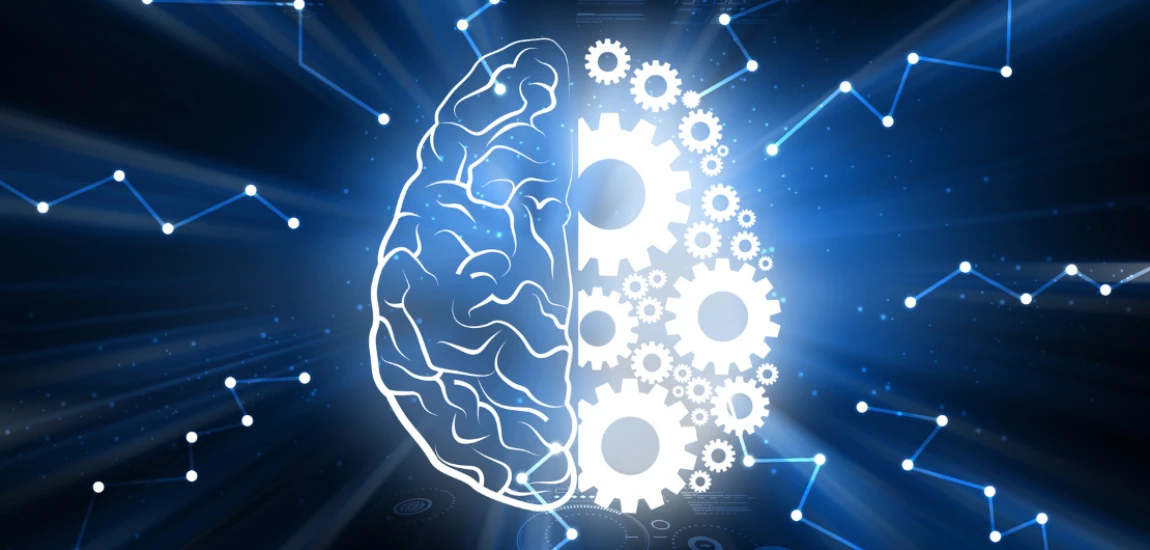
The world is rapidly moving toward a future where artificial intelligence, quantum computing, and neural communication systems work together to create highly intelligent digital ecosystems. One of the most revolutionary concepts emerging from this technological evolution is Quantum Neural Internet Systems. These advanced infrastructures combine quantum communication technologies, neural-inspired computing, and AI-driven automation to build a globally connected intelligence network often described as a “global brain.”
Unlike traditional internet systems that only transfer information between devices, quantum neural internet architectures are designed to process, analyze, learn, and adapt in real time. These systems aim to create ultra-fast communication networks capable of connecting humans, AI systems, smart devices, robotics, and cloud infrastructures into one synchronized ecosystem.
As industries demand faster data processing, secure communication, and intelligent automation, researchers and technology companies are investing heavily in quantum neural connectivity frameworks. These innovations could reshape healthcare, cybersecurity, smart cities, education, transportation, and scientific research over the next few decades.
Understanding Quantum Neural Internet Systems

The Integration of Quantum Computing and AI
Quantum Neural Internet Systems are based on the combination of quantum computing and artificial intelligence technologies. Quantum computers use qubits instead of traditional binary bits, allowing systems to process multiple possibilities simultaneously. This dramatically increases computational speed and efficiency compared to conventional computing infrastructures.
Artificial intelligence adds cognitive capabilities to these systems by enabling machines to recognize patterns, analyze massive datasets, and continuously improve through learning algorithms. When quantum processing power merges with AI-driven neural networks, communication systems become far more intelligent and adaptive.
This integration allows future internet systems to handle enormous amounts of data traffic while making real-time decisions automatically. Instead of merely transmitting information, these systems actively optimize communication pathways, detect threats, and improve operational efficiency.
Brain-Inspired Communication Architectures
Global brain connectivity architectures are inspired by the biological structure of the human brain. In the same way neurons exchange information rapidly within the nervous system, quantum neural networks allow billions of connected devices and AI systems to communicate continuously.
Each connected device acts like a digital neuron within a larger intelligence ecosystem. These nodes share information instantly, learn from each interaction, and adapt to changing conditions. This creates a highly responsive and self-improving communication infrastructure.
The concept of a digital global brain could eventually transform the internet into a living computational ecosystem capable of supporting advanced automation, predictive intelligence, and collaborative machine learning.
The Importance of Intelligent Connectivity
Modern digital infrastructures are struggling with increasing demands for speed, security, and scalability. Traditional internet systems face limitations related to latency, bandwidth congestion, and cybersecurity vulnerabilities.
Quantum neural internet technologies address these challenges by introducing intelligent communication models that continuously optimize themselves. These systems improve data flow efficiency, strengthen encryption protocols, and reduce communication delays across large-scale networks.
As global digital transformation accelerates, intelligent connectivity architectures may become essential for supporting future technological innovation.
Core Technologies Behind Global Brain Connectivity

Quantum Communication Networks
Quantum communication networks form the foundation of quantum neural internet systems. These networks use quantum entanglement and quantum information transfer mechanisms to create highly secure communication channels.
Quantum entanglement allows connected particles to share information instantly regardless of physical distance. This breakthrough enables faster and more secure communication compared to traditional internet protocols.
Because observing quantum information changes its state automatically, unauthorized access attempts become immediately detectable. This makes quantum communication networks extremely valuable for protecting sensitive information in finance, healthcare, defense, and government sectors.
Neural Processing Engines
Neural processing engines act as the intelligence layer within global brain connectivity architectures. These AI-driven systems analyze incoming data streams, optimize network performance, and automate complex decision-making processes.
Deep learning algorithms continuously improve system performance by studying communication patterns and predicting future network demands. This allows quantum neural systems to adapt dynamically to changing environments without requiring constant human supervision.
Neural processing technologies also improve scalability by distributing computational workloads across interconnected digital nodes.
Distributed Cognitive Infrastructure
Unlike centralized cloud computing systems, global brain architectures rely on distributed cognitive infrastructures where intelligence is spread across multiple connected devices and servers.
This decentralized structure improves system reliability, resilience, and fault tolerance. If one node experiences failure, the remaining network continues operating efficiently.
Distributed infrastructures are especially important for supporting autonomous transportation systems, smart manufacturing environments, robotic ecosystems, and future AI-driven cities.
Applications of Quantum Neural Internet Systems

Smart Cities and Urban Automation
Quantum neural internet systems could revolutionize urban infrastructure management by enabling real-time communication between transportation networks, energy grids, public services, and intelligent surveillance systems.
AI-powered traffic management platforms could instantly analyze road conditions, reduce congestion, and improve transportation efficiency. Smart energy systems could optimize electricity distribution automatically based on consumption patterns and environmental conditions.
These intelligent infrastructures may create safer, cleaner, and more sustainable urban environments while improving resource management efficiency.
Healthcare and Brain-Computer Interfaces
Healthcare technologies may experience significant transformation through quantum neural communication systems. Brain-computer interfaces could eventually allow direct communication between human neural activity and digital systems.
Doctors may use quantum-powered AI platforms to analyze medical data in real time, perform remote robotic surgeries, and create personalized treatment strategies based on patient-specific information.
Neural rehabilitation systems could also help patients recover from neurological disorders by connecting brain activity directly with intelligent therapeutic devices.
Scientific Research and Data Analysis
Scientific institutions generate enormous amounts of complex data that require advanced computational resources for analysis. Quantum neural systems can process large-scale simulations far faster than traditional supercomputers.
Researchers studying climate change, genomics, astrophysics, and particle physics could benefit greatly from these technologies. Faster data processing capabilities may accelerate scientific discoveries and innovation across multiple disciplines.
Quantum AI systems may also improve predictive modeling accuracy and enhance collaborative research efforts globally.
Cybersecurity and Privacy Challenges

Quantum Encryption and Secure Communication
One of the most promising benefits of quantum neural internet systems is enhanced cybersecurity. Quantum encryption methods use quantum key distribution to protect communication channels from hacking attempts.
Unlike traditional encryption systems that can eventually be cracked by powerful computers, quantum encryption is significantly more secure because any interception attempt alters the quantum state immediately.
This technology could provide highly secure communication infrastructures for governments, corporations, and healthcare institutions handling sensitive data.
AI-Driven Threat Detection Systems
Artificial intelligence plays a major role in identifying and preventing cyber threats within quantum neural architectures. AI systems continuously monitor network behavior, detect unusual activity patterns, and isolate compromised systems automatically.
Machine learning algorithms improve cybersecurity defenses over time by learning from previous attack attempts and adapting to emerging threats.
This proactive security approach helps reduce data breaches, ransomware attacks, and large-scale cyber warfare risks.
Ethical and Privacy Concerns
Despite their advantages, global brain connectivity systems raise important ethical concerns related to data ownership, surveillance, and privacy protection.
Because these systems may collect vast amounts of behavioral and neurological information, governments and organizations must establish strict regulations to prevent misuse.
Responsible AI governance, transparent data policies, and ethical technology standards will become increasingly important as these infrastructures evolve.
Challenges Limiting Quantum Neural Internet Development

Technical Infrastructure Barriers
Quantum computing hardware remains highly experimental and expensive. Most quantum processors require specialized environments with extremely low temperatures and advanced maintenance systems.
Building global quantum internet infrastructures would require massive investments in communication technologies, quantum processors, and AI integration platforms.
Many countries still lack the resources and expertise needed to develop large-scale quantum communication systems.
Scalability and Network Stability
Managing billions of interconnected devices across global neural networks presents major engineering challenges. System synchronization, communication latency, and error correction remain critical technical obstacles.
Quantum systems are highly sensitive to environmental disturbances, which can reduce communication reliability and computational accuracy.
Researchers continue developing advanced stabilization techniques and fault-tolerant quantum architectures to address these issues.
International Cooperation and Regulation
Global brain connectivity architectures may require international collaboration to establish communication standards, cybersecurity frameworks, and ethical guidelines.
Different governments may implement conflicting policies regarding AI usage, quantum communication technologies, and privacy regulations.
Without global cooperation, achieving fully unified quantum internet systems may become difficult.


Kate McCulley, the voice behind "Adventurous Kate," provides travel advice tailored for women. Her blog encourages safe and adventurous travel for female readers.
Kate McCulley

Prev Post

Next Post