AI Alignment and the Challenge of Controlling Intelligent Systems
AI alignment focuses on ensuring intelligent systems act according to human values, helping prevent risks while enabling safe and beneficial AI development.

Lorem ipsum dolor sit amet, consectetur adipiscing elit. Donec eu ex non mi lacinia suscipit a sit amet mi. Maecenas non lacinia mauris. Nullam maximus odio leo. Phasellus nec libero sit amet augue blandit accumsan at at lacus.
Tech moves faster than your phone battery dies, and we’re here to keep up with it. Our Technology blogs shares the latest gadgets, apps, and trends—without the confusing jargon. Get fun, practical guides to smarter devices, helpful apps, and innovations that make life easier (or at least more interesting). Whether you’re a casual user or the family’s tech fixer, you’ll find updates, insights, and reviews with a sprinkle of humor—no coding degree required.

AI alignment focuses on ensuring intelligent systems act according to human values, helping prevent risks while enabling safe and beneficial AI development.

Decentralized identity systems give individuals control over their digital identities, enhancing privacy, security, and the way we own and manage data online.
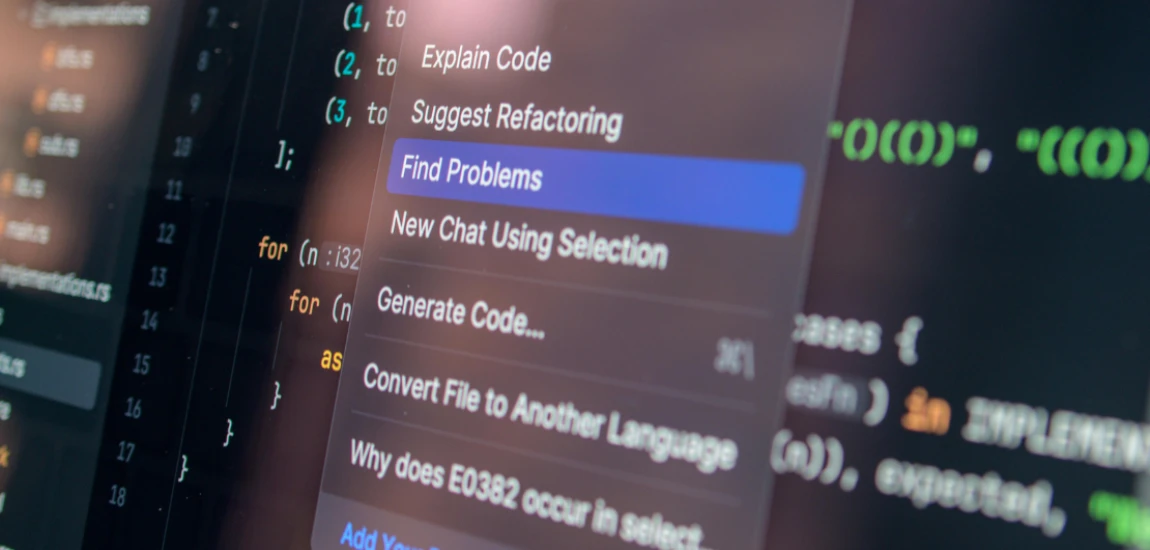
Synthetic data enables AI systems to learn effectively while preserving privacy, reducing costs, and enhancing model performance across industries.

TinyML brings machine learning to edge devices, enabling real-time analytics, reduced latency, and low-power AI solutions across industries.

Human digital memory augmentation technologies enhance cognitive abilities by extending memory storage, improving recall, and integrating digital systems with human cognition.

Algorithmic bias detection ensures AI systems are fair, transparent, and ethical by identifying biases in data and models while promoting equitable decision-making.
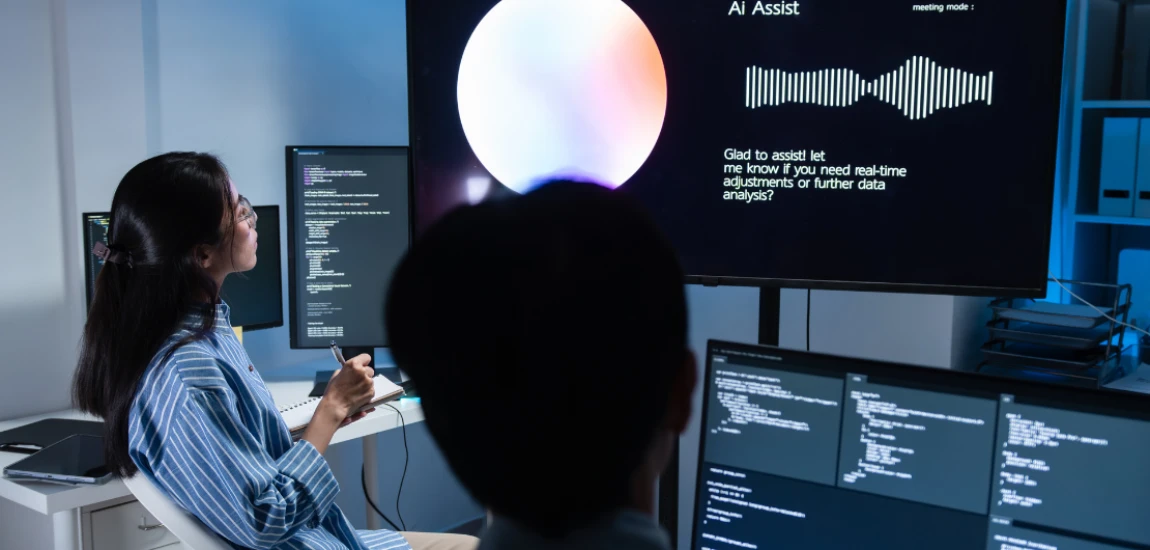
Spatial computing is revolutionizing human-computer interaction by merging digital and physical spaces, enabling immersive, intuitive, and interactive next-generation interfaces.

Autonomous cyber defense systems use AI and automation to detect, respond to, and mitigate cyber threats in real time, enhancing security, efficiency, and resilience.

Energy-efficient computing and low-power AI architectures optimize performance while reducing energy consumption, enabling sustainable, cost-effective, and scalable AI solutions.

Swarm robotics leverages collective machine intelligence, where multiple robots coordinate autonomously to perform complex tasks efficiently, adaptively, and collaboratively.