
Spatial Computing and the Next Generation of Interfaces
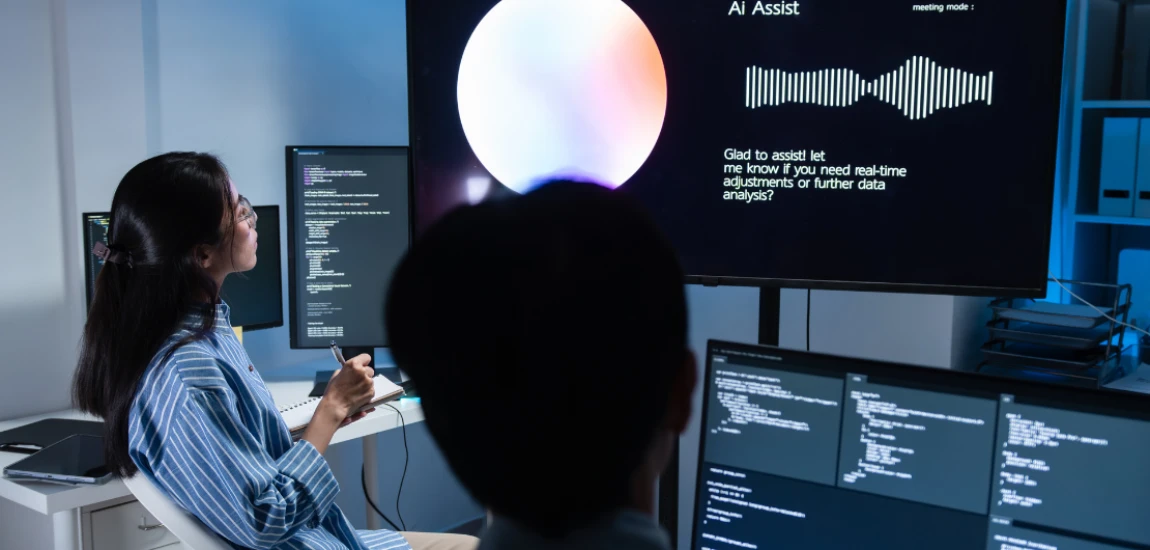
Technology has long evolved from keyboards and screens to touch interfaces and voice commands. Today, spatial computing is driving the next frontier in human-computer interaction, blending physical and digital spaces into immersive, interactive environments. Unlike traditional interfaces, spatial computing allows users to interact with digital content in three-dimensional space, using gestures, eye tracking, voice, and even neural inputs.
Spatial computing integrates augmented reality (AR), virtual reality (VR), mixed reality (MR), and advanced sensors to create experiences where the digital and physical worlds overlap seamlessly. These technologies are transforming gaming, education, healthcare, industrial design, and remote collaboration. Users can manipulate virtual objects, navigate data spatially, and engage with environments in intuitive ways previously unimaginable.
This blog explores spatial computing, the next generation of interfaces, its technologies, applications, benefits, challenges, and future trends. By understanding spatial computing, businesses, developers, and users can leverage immersive technologies to enhance interaction, productivity, and creativity.
Understanding Spatial Computing

What Is Spatial Computing
Spatial computing refers to the interaction between humans, computers, and physical space in a three-dimensional context. It goes beyond traditional 2D screens, enabling digital objects to exist in real-world environments. Users can interact with virtual content naturally, using gestures, voice, or movement.
Unlike conventional interfaces, spatial computing integrates sensors, AI, and spatial mapping to contextualize interactions. This allows for precise object placement, real-time adaptation to physical environments, and immersive experiences.
Key Components of Spatial Computing
Spatial computing relies on hardware, software, and environmental sensing. Hardware includes AR/VR headsets, depth sensors, cameras, and haptic devices. Software leverages computer vision, AI algorithms, and spatial mapping to interpret user input and environmental data. Together, these components allow digital content to interact seamlessly with the real world.
Evolution of Human-Computer Interfaces
Human-computer interfaces have evolved from punch cards and command lines to graphical interfaces and touchscreens. Spatial computing represents the next evolution, where interaction is not limited by screens or devices. This evolution prioritizes natural, intuitive interactions that mimic real-world behaviors, opening possibilities for immersive experiences across industries.
Technologies Enabling Spatial Computing

Augmented Reality (AR) and Virtual Reality (VR)
AR overlays digital information on the physical world, while VR creates fully immersive virtual environments. Together, they form the backbone of spatial computing, allowing users to visualize, interact, and manipulate digital objects within real or simulated spaces.
AR applications can enhance navigation, training, or industrial workflows, whereas VR is widely used in gaming, education, and simulation-based training.
Mixed Reality and Holographic Interfaces
Mixed reality combines elements of AR and VR, enabling digital objects to interact realistically with physical environments. Holographic interfaces allow users to manipulate 3D objects suspended in space, enhancing collaboration and visualization.
These technologies provide depth perception, realistic object behavior, and spatial audio, making interactions more natural and engaging.
AI and Sensor Integration
Spatial computing leverages AI to interpret sensor data, recognize gestures, predict user intent, and enhance environmental awareness. Sensors like LIDAR, depth cameras, and IMUs (inertial measurement units) capture spatial information, enabling precise positioning, collision detection, and contextual interactions.
AI algorithms ensure that the virtual content adapts intelligently to user actions and environmental changes.
Applications of Spatial Computing

Gaming and Entertainment
Spatial computing is transforming gaming by providing fully immersive experiences. Players can interact with virtual worlds using gestures and movement, enhancing engagement and realism. Entertainment venues, theme parks, and live performances also use spatial computing to create interactive, audience-driven experiences.
Gaming applications benefit from real-time spatial awareness, AI-driven content adaptation, and multi-sensory engagement.
Industrial Design and Manufacturing
In manufacturing and design, spatial computing enables engineers and designers to visualize prototypes in 3D, test assembly processes, and detect errors before production. AR overlays can guide assembly workers, while collaborative VR workspaces allow global teams to interact with digital models in real time.
These applications improve productivity, reduce costs, and minimize errors, accelerating innovation cycles.
Education and Healthcare
Spatial computing enhances learning by enabling interactive visualizations, virtual laboratories, and immersive training simulations. In healthcare, AR and VR assist in surgical planning, medical training, and patient rehabilitation. Virtual anatomy models and interactive simulations improve understanding and skill acquisition.
The integration of spatial computing in education and healthcare fosters experiential learning, increasing engagement and retention.
Benefits of Spatial Computing Interfaces

Enhanced User Experience
Spatial computing interfaces provide intuitive, natural, and immersive experiences. Users can manipulate objects in 3D space, navigate environments, and interact with information without the constraints of traditional screens or devices.
Immersive interfaces reduce cognitive load and enhance user engagement, making tasks more efficient and enjoyable.
Increased Productivity and Collaboration
Spatial computing enables remote collaboration in shared virtual workspaces. Teams can manipulate 3D models, annotate environments, and communicate in real time, regardless of physical location. Industrial and enterprise applications benefit from reduced errors, faster training, and improved decision-making.
Innovation and Creativity
By merging physical and digital spaces, spatial computing unlocks new creative possibilities. Designers, artists, and engineers can prototype, visualize, and iterate in immersive environments, driving innovation across multiple domains.
Challenges in Implementing Spatial Computing

Hardware and Cost Constraints
High-quality AR/VR/MR devices are expensive, and hardware limitations can restrict mobility, field of view, and user comfort. Ensuring affordability and accessibility remains a key challenge for widespread adoption.
Technical and Software Limitations
Developing spatial computing applications requires expertise in AI, computer vision, and 3D modeling. Real-time rendering, accurate tracking, and latency reduction are complex challenges that demand high-performance software and integration.
Privacy and Ethical Considerations
Spatial computing devices capture extensive environmental and user data. Ensuring privacy, secure data handling, and ethical use is critical, particularly in applications like healthcare, education, and surveillance.


Known as "Nomadic Matt," Matthew Kepnes offers practical travel advice with a focus on budget backpacking. His blog aims to help people travel cheaper and longer.
Matthew Kepnes

Prev Post

Next Post