
Human Digital Memory Augmentation Technologies
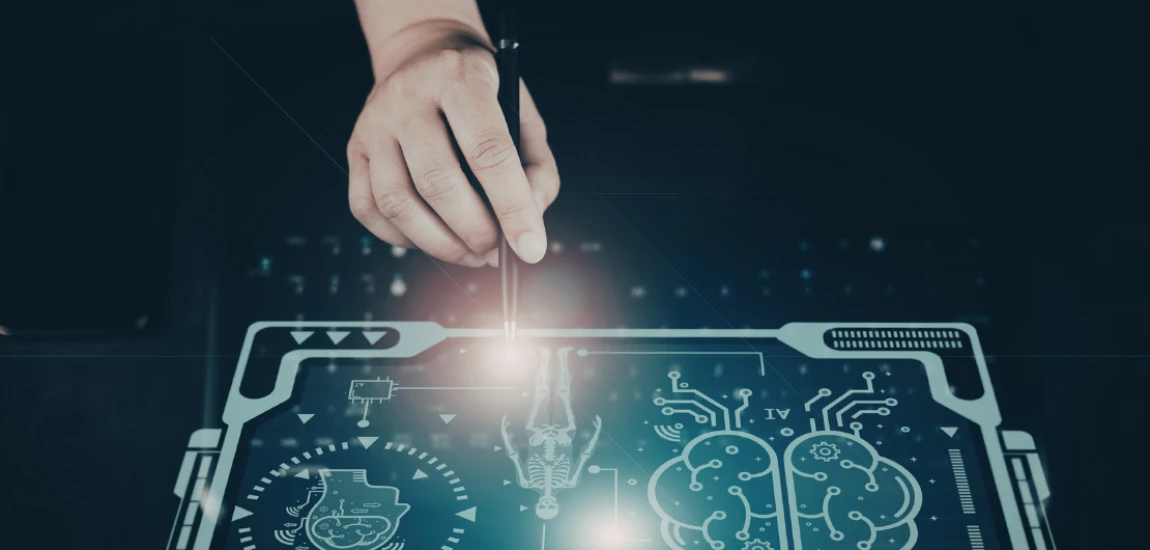
In the digital age, our cognitive capabilities are increasingly intertwined with technology. From smartphones to cloud storage, humans have long relied on digital tools to extend their memory. However, human digital memory augmentation technologies are taking this relationship further by integrating advanced AI, wearable devices, and neural interfaces to enhance human memory directly.
Memory augmentation involves technologies designed to store, retrieve, and even enhance human memory through digital means. These systems can range from simple external storage devices that help recall facts to sophisticated brain-computer interfaces capable of recording neural activity and predicting memory patterns. By leveraging artificial intelligence, neurotechnology, and cognitive computing, these technologies promise to extend human cognition and redefine learning, productivity, and even creativity.
This blog explores the landscape of digital memory augmentation, its mechanisms, applications, benefits, challenges, and future implications. By understanding these technologies, we can appreciate the potential for humans to augment their cognitive abilities in a secure, ethical, and impactful way.
Understanding Human Digital Memory Augmentation

What Is Memory Augmentation
Human digital memory augmentation refers to the use of digital technologies to extend, enhance, or support human memory capabilities. Unlike traditional note-taking or cloud storage, modern memory augmentation seeks to integrate digital systems seamlessly with human cognition.
These systems are designed to improve recall speed, reduce cognitive load, and even enhance learning efficiency. The augmentation can be external, such as digital notebooks, or internal, using neural interfaces that interact directly with brain activity.
Types of Memory Augmentation Technologies
Memory augmentation technologies vary widely. External augmentation includes apps, wearables, and cloud-based memory systems that help store and retrieve information. Internal augmentation involves brain-computer interfaces (BCIs) and neural implants that interact with the nervous system to enhance memory formation and recall.
AI-powered systems can also predict information users may need, providing contextual memory support that anticipates cognitive demands.
The Evolution of Cognitive Support
Historically, humans have relied on external tools like writing, books, and digital devices to support memory. Recent advances in AI and neurotechnology are shifting this paradigm toward active augmentation. These systems not only store information but also analyze patterns, predict memory lapses, and optimize learning strategies in ways previously impossible.
Mechanisms Behind Digital Memory Augmentation

Brain-Computer Interfaces and Neural Implants
Brain-computer interfaces (BCIs) are at the forefront of memory augmentation. These devices can read neural activity and, in some cases, stimulate specific brain regions to improve memory encoding and recall. Neural implants, such as microelectrodes, can monitor hippocampal activity, which plays a crucial role in forming long-term memories.
This integration allows users to interact with digital systems using thought alone, creating a direct link between cognition and technology.
AI and Predictive Cognitive Systems
Artificial intelligence enhances digital memory systems by predicting the user’s memory needs. For instance, AI algorithms can determine which facts or experiences are most relevant in a given context, automatically prompting recall or providing reminders.
Predictive systems reduce cognitive overload by filtering unnecessary information while reinforcing essential knowledge, enhancing overall cognitive efficiency.
Wearables and Context-Aware Devices
Wearable devices, such as smart glasses or AR headsets, provide context-aware memory support. They can capture real-time experiences, images, or environmental data, storing them digitally for future recall. These devices also use sensors to monitor physiological indicators that correlate with memory performance, allowing personalized cognitive enhancement strategies.
Applications of Memory Augmentation

Healthcare and Cognitive Therapy
Memory augmentation technologies have profound implications for healthcare. They can assist patients with memory disorders, such as Alzheimer’s disease, by recording daily activities, reinforcing memory through repetition, and predicting cognitive lapses.
Cognitive therapy using AI-driven memory support helps patients retain functional independence while improving quality of life. Additionally, these systems can assist clinicians by providing detailed, accurate records of patient progress.
Education and Learning
In educational contexts, memory augmentation can revolutionize learning. Systems can personalize knowledge delivery, highlight forgotten concepts, and adapt materials based on individual retention patterns.
Students can benefit from AI-driven review schedules, contextual reminders, and digital notebooks that enhance long-term memory retention, enabling more efficient and effective learning.
Professional Productivity and Knowledge Management
For professionals, memory augmentation aids in managing complex information workflows. AI-powered tools can track project details, summarize meetings, and automatically retrieve relevant documents.
This integration reduces cognitive strain, improves decision-making, and increases efficiency, allowing workers to focus on higher-order thinking rather than rote memory tasks.
Benefits of Human Digital Memory Augmentation

Extended Cognitive Capacity
Memory augmentation expands cognitive bandwidth by storing and retrieving large amounts of information externally or enhancing neural processing internally. This allows individuals to handle more complex tasks without cognitive overload.
By integrating predictive AI, these systems also optimize recall, ensuring critical information is available when needed.
Personalized Cognitive Support
Augmentation technologies can be tailored to individual memory profiles. By tracking patterns, preferences, and performance, systems provide personalized support that adapts to the user’s cognitive needs.
Personalized cognitive support increases retention, reduces errors, and enhances learning efficiency.
Enhanced Decision-Making and Creativity
By freeing cognitive resources from rote memory tasks, memory augmentation allows individuals to focus on creative problem-solving and strategic decision-making. Access to real-time, contextually relevant information can improve insight and innovation across personal and professional contexts.


Operating "The Blonde Abroad," Kiersten Rich specializes in solo female travel. Her blog provides destination guides, packing tips, and travel resources.
Kiersten Rich

Prev Post

Next Post