
Next-Generation Human–AI Symbiosis and Augmented Intelligence Platforms
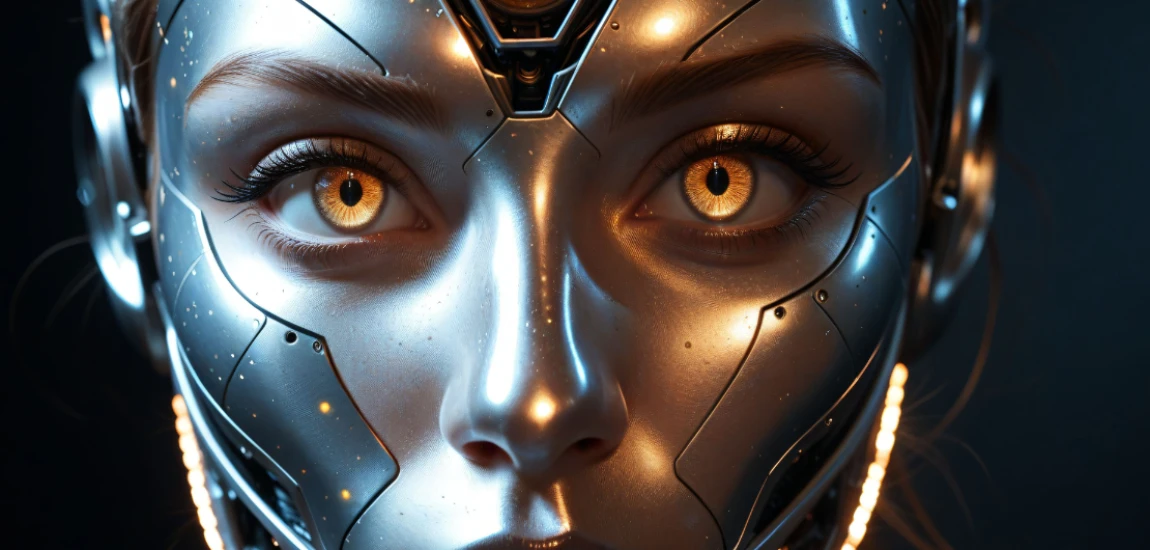
The rise of advanced artificial intelligence has paved the way for a new era of human–AI symbiosis, where humans and AI systems work collaboratively rather than in isolation. Next-generation augmented intelligence platforms are designed to complement human capabilities, enhancing creativity, decision-making, and problem-solving across industries. Unlike traditional AI, which often seeks to replace human labor, augmented intelligence emphasizes partnership, where AI provides insights, predictive analytics, and automated support, while humans contribute judgment, contextual understanding, and ethical reasoning. These platforms enable organizations to harness the combined strengths of human intelligence and AI, allowing faster, more informed decisions, innovative problem-solving, and improved operational efficiency. From healthcare and finance to education and creative industries, human–AI symbiosis is transforming how work is approached, empowering professionals to achieve outcomes that neither humans nor machines could achieve alone.
Understanding Human–AI Symbiosis

Definition and Core Principles
Human–AI symbiosis refers to the collaborative interaction between humans and AI systems, designed to enhance human performance rather than replace it. It is founded on the principle of complementary intelligence, where AI augments human decision-making through data-driven insights, real-time analytics, and predictive capabilities.
Key principles include mutual adaptability, real-time collaboration, and feedback loops that enable humans and AI to learn from one another. This ensures a continuous improvement cycle, optimizing outcomes in complex environments.
Distinguishing Augmented Intelligence From Traditional AI
Traditional AI focuses on automation, often replacing repetitive tasks or decision-making processes. In contrast, augmented intelligence emphasizes human oversight, ethical reasoning, and creative input. Humans guide AI systems, interpreting their outputs, validating recommendations, and making the final decisions.
This distinction ensures that AI acts as a strategic partner rather than a replacement, fostering trust, accountability, and enhanced performance.
Advantages of Human–AI Symbiosis
Human–AI symbiosis enables faster decision-making, increased accuracy, and innovation. It reduces cognitive load, allowing humans to focus on tasks that require critical thinking and creativity while AI handles data processing, pattern recognition, and predictive modeling.
The symbiotic relationship fosters collaboration across organizational hierarchies, breaking down silos and creating data-informed work cultures.
Components of Augmented Intelligence Platforms

Advanced Analytics and Predictive Modeling
Augmented intelligence platforms utilize machine learning algorithms and predictive analytics to provide actionable insights. These platforms analyze structured and unstructured data, detect patterns, and generate forecasts that inform human decision-making.
For example, in healthcare, predictive modeling can forecast patient deterioration, guiding clinicians toward proactive interventions, while in finance, it can anticipate market shifts, enabling more informed investment decisions.
Interactive User Interfaces and Visualization Tools
Human–AI collaboration relies on intuitive interfaces that translate complex AI outputs into understandable insights. Visualization tools, dashboards, and interactive simulations allow humans to explore data, test scenarios, and make decisions with clarity.
Effective design ensures that AI recommendations are accessible, interpretable, and actionable, promoting informed decision-making at all organizational levels.
Real-Time Collaboration and Feedback Mechanisms
Augmented intelligence platforms include real-time collaboration features, enabling humans and AI to continuously exchange information and refine outputs. Feedback loops allow AI systems to learn from human corrections, ethical judgments, and experiential knowledge, enhancing adaptability over time.
This dynamic interaction ensures the system evolves with changing contexts, maintaining relevance and utility in complex, high-stakes environments.
Applications Across Industries

Healthcare and Clinical Decision Support
In healthcare, human–AI symbiosis improves diagnostic accuracy, treatment planning, and patient outcomes. AI systems analyze medical records, imaging data, and genomic information to suggest possible interventions, while clinicians validate and personalize treatment plans.
The combined intelligence enables faster, more precise diagnoses, reduces human error, and enhances patient care through data-informed clinical decisions.
Financial Services and Risk Management
Financial institutions leverage augmented intelligence platforms to analyze market trends, detect fraudulent activities, and optimize investment strategies. AI evaluates massive datasets, identifies risks, and generates scenario analyses, while human experts apply judgment to interpret results and make final decisions.
This collaboration improves portfolio performance, risk mitigation, and regulatory compliance, supporting data-driven decision-making in high-pressure environments.
Education and Personalized Learning
AI-powered educational platforms analyze student data, learning behaviors, and performance metrics to provide personalized recommendations and adaptive learning pathways. Educators interpret AI insights to tailor instruction, improve engagement, and address individual learning needs.
Human–AI collaboration in education ensures a balance between automated recommendations and human mentorship, enhancing overall learning outcomes.
Benefits of Next-Generation Human–AI Symbiosis

Enhanced Decision-Making and Productivity
Augmented intelligence platforms enable humans to make better decisions faster by providing data-driven insights and predictive recommendations. Routine tasks are automated, freeing humans to focus on strategic, creative, and ethical considerations.
This results in improved productivity, reduced errors, and more innovative solutions across organizational contexts.
Fostering Creativity and Innovation
By handling data-heavy, repetitive tasks, AI allows humans to concentrate on ideation, problem-solving, and experimentation. Human–AI symbiosis empowers teams to explore novel strategies, test hypotheses, and implement unconventional solutions supported by analytical evidence.
The integration of AI insights with human creativity leads to breakthroughs in research, product development, and service design.
Continuous Learning and Adaptability
Human–AI symbiosis enables a continuous learning cycle, where AI adapts based on human feedback, and humans learn from AI-generated insights. Organizations benefit from an evolving knowledge ecosystem that keeps pace with changing environments and emerging challenges.
Adaptability ensures that decision-making frameworks remain relevant and effective over time, even in dynamic and uncertain conditions.


Kate McCulley, the voice behind "Adventurous Kate," provides travel advice tailored for women. Her blog encourages safe and adventurous travel for female readers.
Kate McCulley

Prev Post

Next Post