
Synthetic Intelligence Design and Programmable Cognitive Architectures
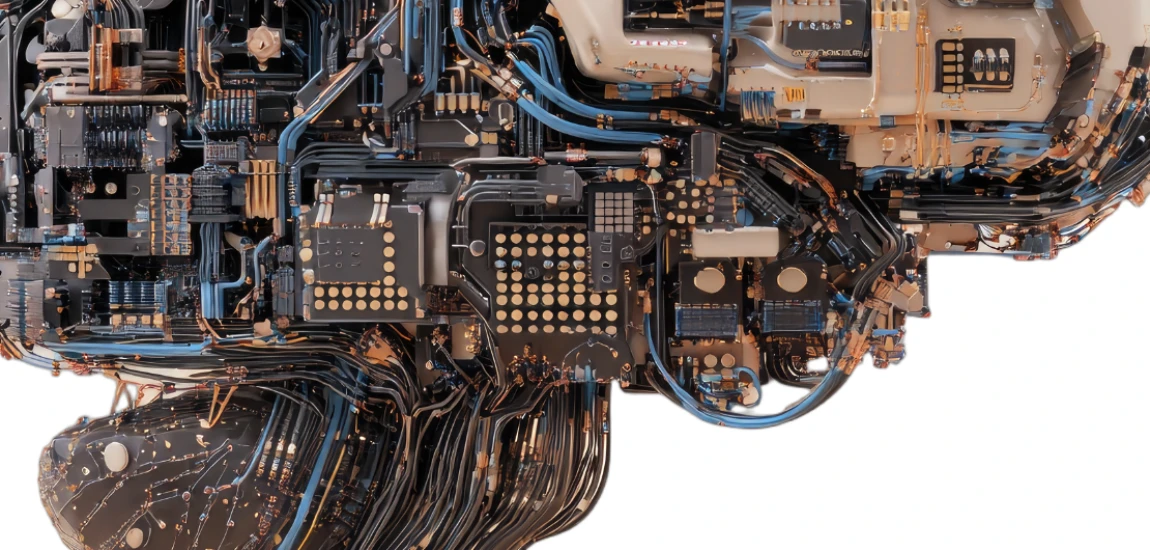
Synthetic intelligence design and programmable cognitive architectures represent a transformative leap in artificial intelligence, moving beyond traditional machine learning models toward systems that mimic human cognition and reasoning. These advanced architectures are designed to be modular, adaptable, and programmable, allowing developers to customize intelligence frameworks based on specific tasks and environments. Unlike conventional AI systems that rely heavily on static training data, programmable cognitive architectures enable continuous learning, contextual understanding, and dynamic decision-making. As industries demand more intelligent, flexible, and explainable systems, synthetic intelligence is emerging as a powerful paradigm that integrates perception, reasoning, memory, and learning into unified frameworks, paving the way for highly autonomous and human-like AI solutions.
Understanding Synthetic Intelligence Design

Synthetic intelligence design focuses on creating artificial systems that replicate and extend human cognitive capabilities. It combines principles from neuroscience, computer science, and cognitive psychology to build intelligent systems that can perceive, reason, and learn in complex environments.
Definition and Core Concepts
Synthetic intelligence goes beyond traditional AI by emphasizing the design of systems that can simulate human thought processes. These systems are not limited to pattern recognition but also include reasoning, planning, and decision-making capabilities.
Difference from Traditional AI Models
Traditional AI models are often task-specific and rely on predefined datasets. In contrast, synthetic intelligence systems are designed to be flexible and adaptable, capable of handling a wide range of tasks and learning from new experiences.
Importance in Modern Technology
As technology evolves, the need for intelligent systems that can operate autonomously and adapt to changing conditions becomes critical. Synthetic intelligence design addresses this need by providing a framework for building advanced AI systems.
Foundations of Programmable Cognitive Architectures

Programmable cognitive architectures form the backbone of synthetic intelligence systems. They provide a structured framework for integrating various cognitive functions into a unified system.
Cognitive Modules and Functional Layers
These architectures are composed of multiple modules, each responsible for a specific cognitive function such as perception, memory, reasoning, and learning. This modular approach allows for flexibility and scalability.
Integration of Perception and Reasoning
One of the key features of cognitive architectures is the integration of perception and reasoning. This enables systems to interpret sensory data and make informed decisions based on that information.
Role of Memory Systems
Memory plays a crucial role in cognitive architectures. It allows systems to store and retrieve information, enabling them to learn from past experiences and improve their performance over time.
Key Components of Synthetic Intelligence Systems

Synthetic intelligence systems consist of several key components that work together to enable intelligent behavior. Understanding these components is essential for designing effective AI solutions.
Learning Engines and Adaptation Mechanisms
Learning engines enable systems to acquire new knowledge and adapt to changing environments. These mechanisms include machine learning algorithms, reinforcement learning, and online learning techniques.
Decision-Making Frameworks
Decision-making frameworks allow systems to evaluate different options and choose the best course of action. These frameworks often incorporate probabilistic reasoning and optimization techniques.
Knowledge Representation Models
Knowledge representation is critical for enabling systems to understand and process information. These models define how data is structured and stored, allowing for efficient retrieval and analysis.
Benefits of Programmable Cognitive Architectures

Programmable cognitive architectures offer numerous advantages that make them a valuable tool for modern AI development. Their flexibility and adaptability provide significant benefits across various applications.
Customization and Flexibility
One of the main advantages is the ability to customize the architecture based on specific requirements. This allows developers to create tailored solutions for different use cases.
Enhanced Learning and Adaptability
These systems can continuously learn and adapt to new information, improving their performance over time. This makes them suitable for dynamic environments.
Improved Explainability and Transparency
Programmable architectures make it easier to understand how decisions are made. This transparency is important for building trust and ensuring accountability.


Dave Lee runs "GoBackpacking," a blog that blends travel stories with how-to guides. He aims to inspire backpackers and offer them practical advice.
Dave Lee

Prev Post

Next Post