
Molecular Manufacturing Systems and the Future of Atomic-Scale Industrial Production
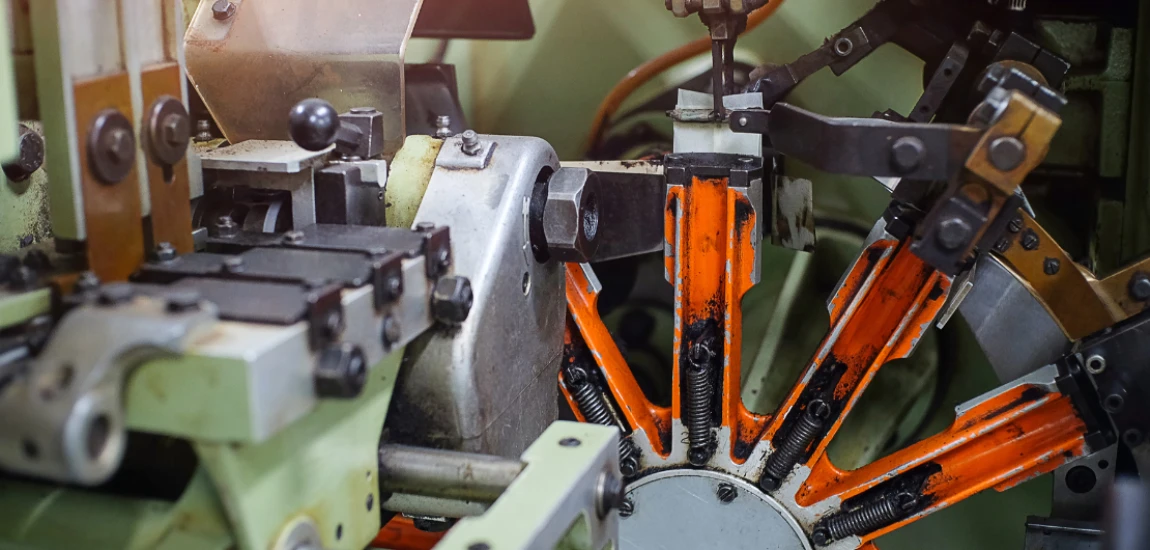
Molecular manufacturing systems represent a revolutionary frontier in modern science and engineering, where materials and products are constructed with atomic-level precision rather than traditional macro-scale fabrication methods. Instead of shaping matter through cutting, molding, or assembling bulk materials, these advanced systems manipulate individual atoms and molecules to build structures with extraordinary accuracy, efficiency, and functionality. This shift from conventional manufacturing to atomic-scale industrial production is driven by rapid advancements in nanotechnology, molecular engineering, quantum chemistry, and precision robotics. As industries demand stronger, lighter, more efficient, and highly specialized materials, molecular manufacturing offers a pathway to design matter from the ground up, enabling unprecedented control over material properties. These systems have the potential to transform nearly every sector, including electronics, medicine, energy, aerospace, and environmental engineering, by allowing the creation of products that are impossible to achieve with traditional manufacturing techniques. By enabling atom-by-atom construction, molecular manufacturing systems could redefine the limits of productivity, sustainability, and technological innovation in the 21st century.
Core Principles of Molecular Manufacturing Systems

Atomic-Level Construction
At the heart of molecular manufacturing is the ability to assemble materials one atom or molecule at a time. This approach allows engineers to precisely control the structure, composition, and properties of materials. Unlike traditional methods that rely on bulk processing, atomic-scale manufacturing ensures near-perfect accuracy, reducing defects and improving performance. This precision enables the creation of materials with extraordinary strength, conductivity, and durability.
Self-Assembly Mechanisms
Many molecular manufacturing systems rely on self-assembly, where molecules naturally organize themselves into predetermined structures based on chemical properties and environmental conditions. Scientists design molecular components with specific bonding behaviors, allowing them to spontaneously form complex structures without direct manipulation. This process significantly reduces energy consumption and improves scalability.
Programmable Matter Design
Programmable matter refers to materials engineered at the molecular level to change their properties dynamically. These materials can adapt shape, conductivity, or mechanical strength based on external stimuli. This concept bridges chemistry, physics, and computing, enabling materials that behave intelligently and respond to environmental changes in real time.
Technologies Driving Atomic-Scale Production

Nanorobotics and Molecular Assemblers
Nanorobots and molecular assemblers are theoretical and experimental devices designed to manipulate matter at the atomic scale. These machines operate at extremely small dimensions and can position individual atoms with high precision. While still in early stages of development, they represent a foundational component of future molecular manufacturing systems.
Quantum-Level Simulation and Modeling
Quantum computing and advanced simulation tools play a critical role in molecular manufacturing. These technologies allow scientists to model atomic interactions with extreme accuracy, predicting how molecules will behave before physical production begins. This reduces experimental costs and accelerates the development of new materials.
Advanced Chemical Synthesis Platforms
Modern chemical synthesis techniques have evolved to allow more controlled and efficient production of complex molecules. Automated laboratories and AI-driven synthesis platforms enable rapid experimentation and optimization of molecular structures, forming a bridge between traditional chemistry and atomic-scale engineering.
Applications of Molecular Manufacturing Systems

Next-Generation Electronics
Molecular manufacturing enables the creation of ultra-miniaturized electronic components with enhanced performance and energy efficiency. Transistors, sensors, and memory devices can be built at atomic scales, leading to faster and more powerful computing systems. This could significantly advance quantum computing and neuromorphic hardware.
Medical and Biomedical Innovations
In medicine, atomic-scale manufacturing allows the creation of highly precise drug delivery systems, nanomedicine particles, and bio-compatible implants. These systems can target specific cells or tissues, improving treatment effectiveness while minimizing side effects. Personalized medicine becomes more achievable through molecular-level customization.
Aerospace and Structural Materials
Molecularly engineered materials offer exceptional strength-to-weight ratios, making them ideal for aerospace applications. Aircraft, spacecraft, and satellites built using atomic-scale materials would be lighter, more durable, and more fuel-efficient. This could revolutionize space exploration and transportation systems.
Challenges in Molecular Manufacturing Development

Technical Precision and Control Limitations
One of the biggest challenges in molecular manufacturing is achieving reliable control over individual atoms in large-scale production environments. Atomic interactions are highly sensitive, and maintaining stability during fabrication is extremely complex. Even minor errors can significantly impact material properties.
Energy Requirements and System Complexity
Manipulating matter at the atomic level requires extremely precise energy control. Current systems often demand high computational and physical resources, making large-scale implementation difficult. Developing energy-efficient manufacturing methods remains a major research focus.
Ethical and Safety Concerns
The ability to manipulate matter at atomic levels raises ethical and safety concerns, including the potential misuse of nanotechnology or unintended environmental impacts. Strict regulatory frameworks and safety protocols are necessary to ensure responsible development.


Kate McCulley, the voice behind "Adventurous Kate," provides travel advice tailored for women. Her blog encourages safe and adventurous travel for female readers.
Kate McCulley

Prev Post

Next Post