
Purchasing-Power Protection Strategies for Building Inflation-Resilient Savings
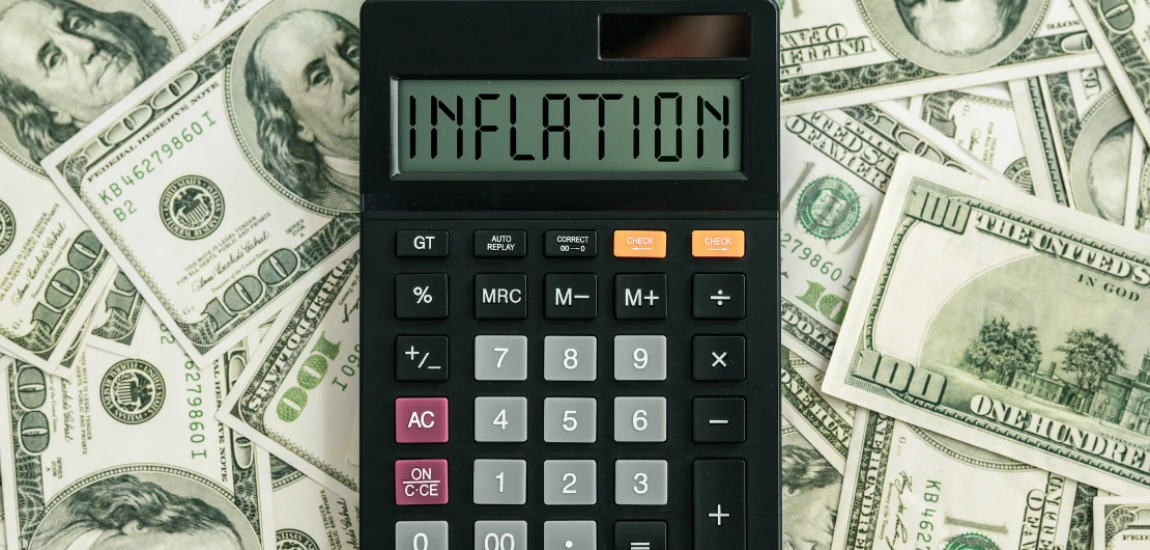
Saving money is one of the most important foundations of financial security, but simply accumulating a larger balance does not always mean that wealth is becoming more valuable. Inflation can gradually reduce what money can purchase, meaning that the same amount of savings may buy fewer goods and services several years from now. This makes purchasing-power protection strategies an essential part of long-term financial planning.
Inflation affects almost every aspect of personal finance. Food, housing, transportation, education, healthcare, utilities, and everyday services can become more expensive over time. Even when income increases, financial pressure can continue if household expenses rise at a similar or faster rate. A savings strategy that ignores purchasing power may therefore provide a misleading sense of security.
Building inflation-resilient savings requires thinking beyond the size of a bank balance. Individuals need to consider where savings are held, how quickly money may be needed, how much liquidity is necessary, and how long-term assets can potentially grow over time. The objective is not to eliminate the effects of inflation entirely, because no strategy can guarantee that outcome. Instead, the goal is to create a diversified financial structure that gives savings a better opportunity to retain their usefulness and support future financial needs.
An inflation-resilient strategy can combine accessible emergency savings with appropriate long-term investments, regular savings reviews, income growth, expense management, and goal-based financial planning. Different types of money can have different jobs. Cash can provide liquidity and stability for immediate needs, while appropriately selected long-term assets may provide opportunities for growth.
Inflation protection also requires understanding personal spending patterns. If essential expenses rise substantially, an emergency fund based on an outdated budget may no longer provide adequate protection. Similarly, a retirement target established many years ago may need to be reviewed as the cost of living changes.
The most effective approach is therefore dynamic. Instead of creating one savings target and never revisiting it, individuals can regularly evaluate whether their financial resources are keeping pace with changing expenses and long-term objectives.
Understanding the Impact of Inflation on Savings

Inflation is one of the most important forces affecting the real value of money over time. When prices rise, each unit of currency generally purchases fewer goods and services. This means that financial planning should consider not only how much money is saved, but also what that money may be able to purchase in the future.
For short-term goals, purchasing-power changes may appear relatively small. Over longer periods, however, the effect can become much more significant. A financial reserve that appears substantial today may provide considerably less purchasing power years later if expenses consistently increase.
Understanding this relationship is the first step toward developing effective inflation-resilient savings strategies.
Why a Growing Balance May Still Lose Value
A savings balance can increase while its purchasing power declines.
Suppose an individual keeps adding money to a savings account, but the rate at which prices rise is greater than the effective growth of those savings. The account balance may look larger every year, yet the real amount of goods and services that balance can purchase may not increase at the same pace.
This distinction between nominal value and real purchasing power is crucial.
Nominal value refers to the amount shown in an account. Real value considers what that amount can actually purchase after accounting for changes in prices.
Long-term financial planning should therefore evaluate both.
This does not mean cash savings are unnecessary. Accessible savings remain essential for emergencies and near-term financial requirements. Instead, it means that individuals should understand the specific purpose of cash and recognize that long-term purchasing-power protection may require additional financial tools.
Inflation Affects Different Households Differently
Inflation does not affect every household in exactly the same way.
A family that spends a large percentage of its income on food and housing may experience a different financial impact from someone whose largest expenses involve transportation, education, travel, or other categories.
Personal inflation can therefore differ from headline inflation measures.
This makes household budgeting an important component of purchasing-power protection.
Individuals can monitor which expenses are increasing most rapidly in their own financial lives. If essential costs are rising, savings targets may need to be adjusted accordingly.
For example, if monthly essential expenses increase substantially over several years, an emergency fund based on the original budget may no longer provide the same number of months of protection.
Regularly updating the financial baseline helps ensure that savings remain relevant.
Understanding the Difference Between Liquidity and Growth
Inflation protection does not mean placing every dollar into growth-oriented assets.
Liquidity remains essential.
Emergency savings may need to be accessible immediately, even if those funds do not generate substantial long-term growth. The purpose of an emergency reserve is financial stability rather than maximum return.
Long-term wealth, however, may require a different strategy.
Money that will not be needed for many years may have a greater opportunity to pursue growth through appropriately diversified investments, depending on individual circumstances and risk tolerance.
The key is separating financial resources according to their purpose.
Short-term stability and long-term purchasing-power protection can coexist within the same financial system.
Building a Layered Inflation-Resilient Savings Strategy

A strong inflation-resilient savings system does not rely on one account or one financial product. Instead, it can use several layers designed to address different time horizons and financial needs.
The first layer focuses on immediate liquidity. The next may address emergency expenses and medium-term goals. Longer-term resources can then be structured around wealth accumulation and purchasing-power preservation.
This layered approach helps prevent individuals from taking excessive risks with money they may need soon while still giving long-term savings an opportunity to grow.
Maintaining an Accessible Emergency Reserve
Emergency savings remain essential even in an inflationary environment.
Unexpected medical bills, household repairs, transportation problems, temporary income interruptions, or other urgent expenses can occur regardless of broader economic conditions.
The emergency reserve should generally be accessible and separated from money intended for long-term investment.
However, inflation means that emergency-fund targets should not remain permanently fixed.
If essential expenses increase over time, the amount needed to cover several months of those expenses also increases.
For this reason, individuals can periodically recalculate their essential monthly spending and determine whether their emergency savings still provide an appropriate level of protection.
The objective is to maintain enough liquidity to absorb financial shocks without unnecessarily keeping all long-term wealth in low-growth assets.
Creating Separate Savings for Predictable Expenses
Many financial expenses are unexpected only because they were not planned for.
Vehicle maintenance, insurance premiums, annual fees, school expenses, property repairs, holiday spending, and other periodic costs can often be anticipated.
Creating separate sinking funds for these expenses can prevent them from repeatedly draining emergency savings.
This is particularly useful during periods of inflation because rising prices can make predictable expenses more expensive.
For example, if the cost of annual vehicle maintenance has increased over several years, the monthly contribution to the relevant sinking fund may need to increase accordingly.
This approach turns irregular expenses into manageable financial obligations.
It also protects the primary emergency reserve for genuinely unexpected situations.
Combining Cash Stability With Long-Term Growth
Cash and investments serve different financial purposes.
Cash can provide stability, accessibility, and protection against immediate financial disruptions. Long-term investments can potentially provide growth that may help savings keep pace with or exceed inflation over extended periods, although investment returns are uncertain and losses are possible.
A balanced strategy can therefore separate money according to when it will be needed.
Funds required soon may need greater stability and accessibility. Money intended for distant goals may have a longer time horizon and therefore potentially support a diversified investment approach appropriate to the individual's risk tolerance.
This distinction is critical.
Trying to make emergency savings produce maximum returns can introduce unnecessary risk. Conversely, keeping every long-term savings dollar in cash may expose purchasing power to prolonged inflation.
The solution is not choosing between cash and growth entirely. It is assigning each portion of wealth a specific role.
Adjusting Savings Targets as the Cost of Living Changes

An inflation-resilient financial plan should evolve as the cost of living changes. A savings target that was appropriate several years ago may no longer reflect current household expenses, future goals, or purchasing-power requirements.
This is why financial reviews should focus on real-world spending rather than relying exclusively on historical targets.
Individuals can periodically examine essential expenses, discretionary spending, income growth, savings balances, and long-term goals. The purpose is to identify whether the financial system is keeping pace with changing conditions.
Recalculating Emergency Fund Requirements
An emergency fund is usually connected to essential monthly expenses.
If those expenses rise, the required emergency reserve may also need to rise.
For example, suppose a household originally calculated that six months of essential expenses required $18,000. If essential monthly costs later increase significantly, the same $18,000 may no longer cover six months.
The balance itself has not decreased, but its practical protection has.
Regular recalculation can help maintain an appropriate safety margin.
This is one of the simplest purchasing-power protection strategies because it connects financial reserves directly to actual household requirements.
Updating Long-Term Financial Goals
Inflation also affects long-term financial goals.
A retirement target, home-purchase budget, education fund, or other major objective may need to be reviewed as prices change.
If an individual plans to purchase a property several years from now, for example, the original savings target may not reflect future prices.
Similarly, retirement planning should consider the possibility that everyday expenses will be higher in the future than they are today.
This does not mean predicting exact future prices.
Instead, it means acknowledging uncertainty and periodically reviewing whether the current savings rate remains appropriate.
A flexible target can be more useful than an unchanging number.
Increasing Savings Alongside Income Growth
Income growth provides an important opportunity to protect purchasing power.
If earnings increase but all additional income is consumed by lifestyle inflation, the individual's long-term financial position may not improve as much as expected.
A portion of income increases can instead be directed toward savings, investments, emergency reserves, or long-term financial goals.
This creates a buffer against rising costs.
For example, an individual could establish a rule that every meaningful income increase results in a corresponding increase in long-term contributions while still allowing part of the additional income to improve current quality of life.
This approach balances present enjoyment with future purchasing-power protection.
Monitoring the Real Savings Rate
The savings rate is often discussed as a percentage of income, but purchasing-power protection requires looking beyond the nominal savings rate.
If income rises by 5% while essential expenses rise by 7%, the household may actually have less financial flexibility despite earning more.
Tracking the relationship between income, expenses, and savings can reveal whether financial capacity is improving in real terms.
Using Diversification to Strengthen Inflation-Resilient Wealth

Protecting purchasing power over long periods requires more than simply increasing the amount of money saved. Different financial assets can respond differently to inflation, interest-rate changes, economic slowdowns, and market conditions. This is why diversification can play an important role in an inflation-resilient savings strategy.
Diversification does not guarantee profits or eliminate losses. Instead, it spreads financial resources across different types of assets and purposes so that the entire financial plan does not depend on one source of performance. For individuals with long-term goals, this can create a more balanced approach to protecting and growing wealth.
The appropriate allocation depends on factors such as time horizon, financial goals, liquidity requirements, risk tolerance, and personal circumstances. Money needed for immediate emergencies generally has a different purpose from money intended for retirement many years in the future.
Separating Short-Term Safety From Long-Term Growth
One of the most important principles of purchasing-power protection is separating money based on when it will be needed.
Short-term savings can provide liquidity for emergencies and near-term financial obligations. These funds should generally prioritize accessibility and stability.
Long-term wealth, however, has a different objective. Money that will not be needed for many years may have more opportunity to pursue growth through appropriately diversified investments.
This separation prevents a common financial mistake: expecting one account to perform every job.
An emergency fund should not necessarily be managed like a retirement portfolio. Likewise, long-term wealth should not necessarily remain entirely in cash simply because cash feels safe.
By giving each pool of money a specific purpose, individuals can balance immediate financial security with long-term purchasing-power preservation.
Considering Growth-Oriented Assets for Long Horizons
Over long periods, inflation can significantly affect the real value of fixed cash balances.
Appropriately diversified long-term investments may provide opportunities for growth that can help offset rising prices. Depending on individual circumstances, these may include diversified equity investments, bonds, property-related assets, or other investment categories.
Every investment carries some level of risk, and historical performance does not guarantee future returns.
The important principle is to evaluate investments according to their role within the overall financial plan.
A long-term portfolio should generally be designed around the individual's goals and risk tolerance rather than short-term reactions to inflation headlines.
Maintaining Diversification Across Financial Objectives
Diversification can also occur at the goal level.
A household may have an emergency reserve, a short-term savings account, retirement investments, and dedicated funds for major purchases.
This creates financial diversification even before considering the specific assets held within investment accounts.
Each category provides a different form of protection.
Emergency savings provide liquidity. Short-term funds support upcoming goals. Long-term investments provide potential growth. Debt reduction can improve future cash flow.
Together, these components can create a stronger financial structure than relying on one savings vehicle.


Kate McCulley, the voice behind "Adventurous Kate," provides travel advice tailored for women. Her blog encourages safe and adventurous travel for female readers.
Kate McCulley

Prev Post
Next Post