
Brain-to-Cloud Connectivity Frameworks and the Evolution of Neural Data Exchange Technologies
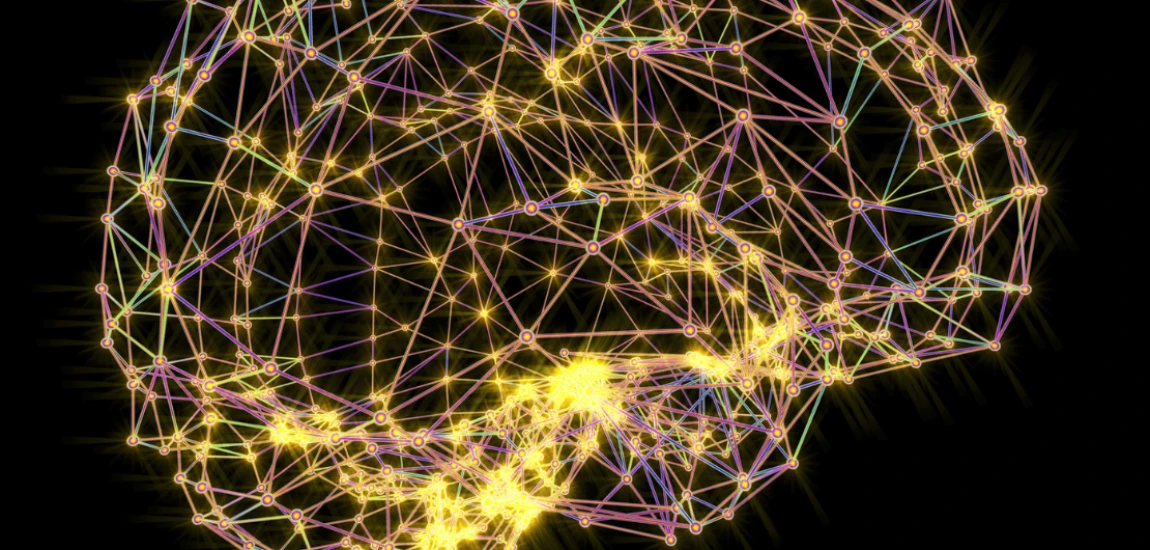
Brain-to-cloud connectivity frameworks represent one of the most transformative advancements in modern neurotechnology, enabling direct interaction between human neural activity and cloud-based artificial intelligence systems. Unlike traditional computing interfaces that rely on physical input devices such as keyboards, touchscreens, or voice commands, these advanced systems interpret brain signals in real time and convert them into digital data that can be processed, analyzed, and enhanced by powerful AI models. This evolution is driven by rapid progress in brain-computer interfaces, neural signal processing, machine learning, edge computing, and distributed cloud infrastructures, all working together to create seamless neural data exchange ecosystems. As the demand for faster, more intuitive, and immersive human-machine interaction grows, brain-to-cloud systems are becoming increasingly important in fields such as healthcare, cognitive enhancement, assistive technologies, defense systems, and advanced communication platforms. These frameworks aim not only to decode human thoughts and intentions but also to enhance cognition through AI-driven feedback, enabling a hybrid intelligence model where biological and artificial intelligence operate in synergy. This marks a fundamental shift in how humans interact with technology, moving from external control systems toward direct cognitive integration with digital environments.
Core Architecture of Brain-to-Cloud Systems

Neural Signal Acquisition Layer
The foundation of brain-to-cloud systems lies in neural signal acquisition technologies that capture electrical activity from the brain. These signals are collected using non-invasive methods such as EEG headsets or invasive neural implants that provide higher precision and resolution. Advanced sensors detect brainwave patterns associated with movement, intention, emotion, and cognitive states, converting them into measurable digital signals. These signals are highly complex and require sophisticated preprocessing to remove noise and extract meaningful patterns for further analysis.
Edge Processing and Signal Optimization
Once neural signals are captured, edge computing devices perform initial processing close to the source. This step reduces latency and ensures real-time responsiveness by filtering irrelevant data and enhancing signal clarity. Edge systems use lightweight AI models to identify relevant neural patterns before sending processed data to the cloud. This hybrid approach balances speed and computational efficiency, making real-time brain interaction possible.
Cloud-Based Neural Intelligence Layer
The cloud layer acts as the central intelligence hub where large-scale AI models analyze neural data. Here, machine learning algorithms decode brain signals into actionable outputs, such as commands, predictions, or cognitive insights. This layer also stores historical neural data, enabling continuous learning and system improvement. Cloud-based architectures allow scalability, ensuring that massive neural datasets can be processed efficiently across distributed systems.
Neural Data Exchange and Communication Technologies

Bidirectional Brain-Cloud Communication
Modern brain-to-cloud systems are evolving toward bidirectional communication, where data flows not only from the brain to the cloud but also back to the user’s neural system. This enables AI-generated feedback, sensory augmentation, and cognitive enhancement. For example, users could receive real-time guidance, memory support, or even artificial sensory input directly into their neural pathways.
Neural Encoding and Decoding Systems
Neural encoding refers to the process of translating brain activity into digital signals, while decoding converts AI-generated data back into neural-compatible outputs. These processes rely heavily on deep learning models trained on large neural datasets. Over time, these systems become more personalized, adapting to individual brain patterns for improved accuracy and responsiveness.
Low-Latency Neural Transmission Networks
To achieve real-time performance, brain-to-cloud systems require ultra-low latency communication networks. Advanced protocols, including high-speed wireless connections and optimized cloud-edge architectures, ensure that neural signals are transmitted and processed almost instantaneously. This is critical for applications such as prosthetic control, immersive virtual environments, and real-time cognitive assistance.
Applications of Brain-to-Cloud Connectivity

Healthcare and Neurorehabilitation Systems
One of the most impactful applications of brain-to-cloud connectivity is in healthcare. These systems enable patients with neurological disorders, spinal injuries, or motor impairments to control external devices using brain signals. Neural prosthetics, powered by AI, allow individuals to regain mobility and communication abilities. Additionally, continuous neural monitoring can help detect early signs of neurological diseases such as Alzheimer’s, epilepsy, or Parkinson’s, enabling early intervention and personalized treatment.
Cognitive Enhancement and Human Augmentation
Brain-to-cloud systems also open the door to cognitive enhancement technologies that extend human mental capabilities. Users may gain access to cloud-based memory expansion, instant knowledge retrieval, language translation, and real-time decision support. This creates a hybrid intelligence model where human cognition is augmented by artificial intelligence, significantly improving learning speed, productivity, and problem-solving abilities.
Defense, Security, and High-Performance Operations
In defense and high-stakes environments, brain-to-cloud connectivity can improve situational awareness and decision-making speed. Operators can control systems through neural commands, reducing reaction time in critical situations. However, this also introduces ethical and security challenges related to cognitive privacy and neural data protection, requiring strict regulatory frameworks.
Challenges in Neural Data Exchange Technologies

Neural Privacy and Security Risks
One of the most significant challenges in brain-to-cloud systems is protecting neural data privacy. Brain signals contain highly sensitive personal information, including thoughts, emotions, and intentions. Unauthorized access or misuse of this data could have serious consequences. Therefore, advanced encryption methods, secure neural communication protocols, and ethical AI frameworks are essential.
Technical Limitations in Signal Accuracy
Neural signal interpretation remains extremely complex due to noise, variability across individuals, and limited resolution of current sensors. Achieving high accuracy in decoding thoughts and intentions is still an ongoing research challenge. Improvements in sensor technology, AI training models, and neural mapping techniques are necessary to overcome these limitations.
Ethical and Societal Implications
Brain-to-cloud systems raise important ethical questions about autonomy, identity, and human cognition. Issues such as dependency on AI, cognitive manipulation, and unequal access to enhancement technologies must be carefully addressed. Establishing global ethical standards will be crucial for responsible development and deployment.


Kate McCulley, the voice behind "Adventurous Kate," provides travel advice tailored for women. Her blog encourages safe and adventurous travel for female readers.
Kate McCulley

Prev Post

Next Post