
Intelligent Renewable Energy Balancing Systems and Autonomous Global Power Optimization Architectures
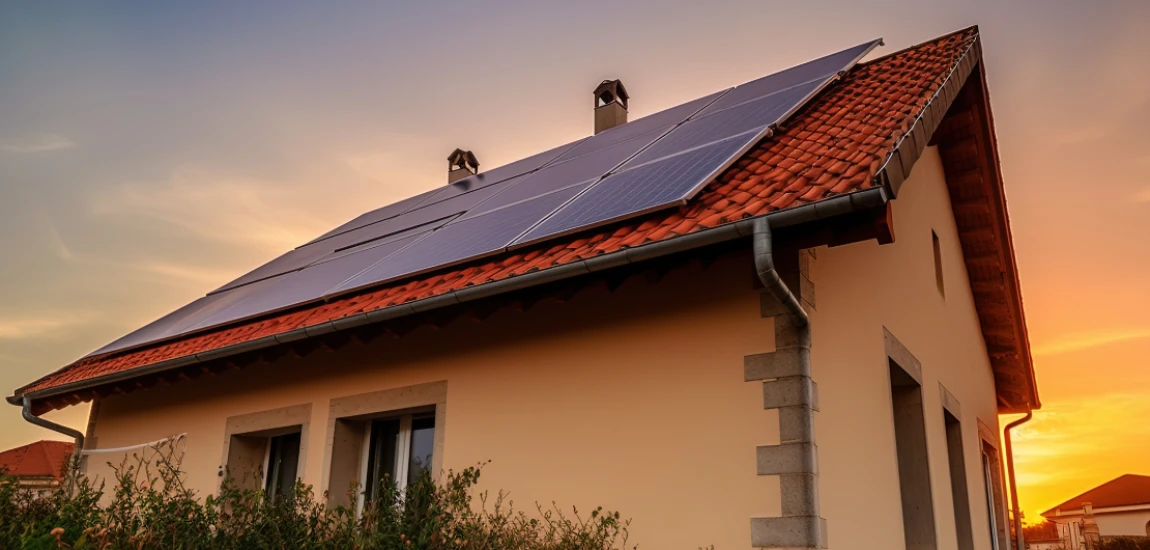
The global energy sector is undergoing a profound transformation. As nations increasingly adopt renewable energy sources such as solar, wind, hydroelectric, and geothermal power, the challenge of balancing energy supply and demand has become more complex than ever before. Unlike traditional fossil fuel power plants that can adjust output relatively predictably, renewable energy sources are inherently variable and dependent on environmental conditions.
This variability creates significant challenges for power grid operators. Solar energy production fluctuates based on sunlight availability, while wind power depends on changing weather patterns. Without intelligent management systems, these fluctuations can lead to inefficiencies, energy waste, grid instability, and increased operational costs.
Intelligent Renewable Energy Balancing Systems offer a revolutionary solution to these challenges. By leveraging artificial intelligence, machine learning, advanced forecasting models, IoT sensors, and autonomous control technologies, these systems can continuously monitor energy production and consumption while making real-time adjustments to maintain optimal grid performance.
Autonomous Global Power Optimization Architectures expand this concept by connecting regional grids, energy storage facilities, renewable generation assets, and consumer demand networks into a coordinated ecosystem. Together, these technologies represent the future of sustainable energy management and global power reliability.
Understanding Intelligent Renewable Energy Balancing Systems

The Growing Complexity of Renewable Energy Integration
The transition from conventional energy systems to renewable energy networks has introduced new operational complexities. Traditional power plants provide stable and predictable electricity generation, allowing grid operators to forecast energy availability with relative accuracy. Renewable energy sources, however, depend heavily on weather conditions, seasonal patterns, and geographic factors.
As solar farms, offshore wind installations, and distributed energy resources become more widespread, managing energy flows requires sophisticated coordination mechanisms. Intelligent balancing systems address this challenge by continuously analyzing production data, consumption trends, and environmental conditions.
These systems enable utilities to maintain grid stability despite fluctuating energy inputs. By integrating diverse energy sources into a unified management framework, operators can improve efficiency while reducing reliance on backup fossil fuel generation.
The Role of Artificial Intelligence in Energy Management
Artificial intelligence serves as the central intelligence layer within renewable energy balancing systems. AI algorithms process enormous volumes of data collected from sensors, weather stations, smart meters, power plants, and transmission networks.
Machine learning models identify patterns in energy generation and consumption, allowing operators to predict future conditions with remarkable accuracy. These predictive capabilities help utilities prepare for demand surges, generation shortfalls, and unexpected disruptions.
As AI systems gain access to more operational data, they continuously refine their forecasting models, resulting in increasingly accurate energy management decisions and improved grid performance.
Creating Adaptive Energy Ecosystems
Modern energy systems must adapt rapidly to changing conditions. Intelligent balancing frameworks create adaptive ecosystems capable of responding dynamically to fluctuations in supply and demand.
By coordinating renewable generation assets, storage facilities, and consumer demand programs, these systems maintain operational stability while maximizing the use of clean energy resources. This adaptability is essential for supporting future energy transitions and achieving sustainability goals.
Core Technologies Behind Autonomous Global Power Optimization Architectures

Advanced Forecasting and Predictive Analytics
Accurate forecasting is one of the most important components of modern energy management. Predictive analytics platforms use historical data, weather models, market conditions, and consumption patterns to estimate future energy production and demand.
Artificial intelligence enhances forecasting accuracy by identifying subtle relationships between environmental variables and energy output. This allows operators to anticipate changes before they occur and implement proactive management strategies.
Improved forecasting reduces uncertainty and helps maintain a reliable balance between supply and demand.
Internet of Things and Smart Grid Sensors
Smart grids rely on extensive sensor networks that provide real-time visibility into system performance. Sensors monitor voltage levels, energy flows, equipment status, weather conditions, and consumer usage patterns.
These data streams form the foundation of autonomous power optimization architectures. Continuous monitoring enables rapid detection of abnormalities, operational inefficiencies, and infrastructure issues.
The growing deployment of IoT technologies is significantly improving the responsiveness and intelligence of modern energy systems.
Autonomous Grid Control Systems
Traditional grid management often requires extensive human oversight. Autonomous control systems reduce this dependency by enabling real-time decision-making through AI-driven automation.
These systems can adjust energy flows, activate storage resources, reroute electricity, and optimize generation schedules without manual intervention. Autonomous operations improve efficiency while reducing response times during critical situations.
As automation technologies mature, self-managing power networks are becoming increasingly feasible.
Renewable Energy Storage and Dynamic Load Balancing

The Importance of Energy Storage
Energy storage plays a crucial role in balancing renewable energy systems. Since solar and wind generation do not always align with consumption patterns, excess energy must be stored for later use.
Advanced battery systems, pumped hydro storage, compressed air facilities, and emerging storage technologies provide critical flexibility within modern power grids. These resources help maintain reliability during periods of low renewable generation.
Storage systems effectively bridge the gap between intermittent production and continuous demand.
Intelligent Charge and Discharge Management
AI-driven storage management platforms determine when energy should be stored and when it should be released. These decisions are based on market conditions, demand forecasts, weather predictions, and grid requirements.
Intelligent optimization ensures storage resources are used efficiently, maximizing economic and operational benefits.
This capability becomes increasingly important as renewable energy penetration continues to increase globally.
Dynamic Load Balancing Strategies
Load balancing involves distributing electricity efficiently across the grid. Autonomous optimization systems continuously monitor energy demand and adjust resource allocation accordingly.
Dynamic balancing minimizes transmission losses, prevents overload conditions, and improves overall grid performance.
These strategies help ensure reliable electricity delivery while supporting sustainable energy objectives.
Global Energy Interconnectivity and Cross-Border Optimization

Building International Energy Networks
Future power systems may operate on a more interconnected global scale. Cross-border transmission networks allow regions with surplus renewable energy to supply electricity to areas experiencing shortages.
Intelligent optimization platforms coordinate these exchanges efficiently, improving resource utilization and reducing waste.
International energy cooperation can strengthen resilience while accelerating renewable energy adoption worldwide.
Virtual Power Plants and Distributed Resources
Virtual power plants aggregate numerous distributed energy assets into unified operational entities. Rooftop solar systems, battery installations, electric vehicles, and small-scale generators can collectively function as a coordinated power resource.
AI platforms manage these assets dynamically, optimizing output and participation in energy markets.
This decentralized approach enhances flexibility and increases renewable energy integration.
Enhancing Grid Resilience Through Collaboration
Interconnected energy networks improve resilience against natural disasters, equipment failures, and supply disruptions. Shared resources allow regions to support one another during emergencies.
Autonomous optimization architectures facilitate rapid response and coordinated recovery efforts, minimizing service interruptions and economic impacts.


Anil Polat, behind the blog "FoxNomad," combines technology and travel. A computer security engineer by profession, he focuses on the tech aspects of travel.
Anil Polat
Prev Post

Next Post