
Neuromorphic Smart City Systems and Self-Learning Urban Intelligence Frameworks
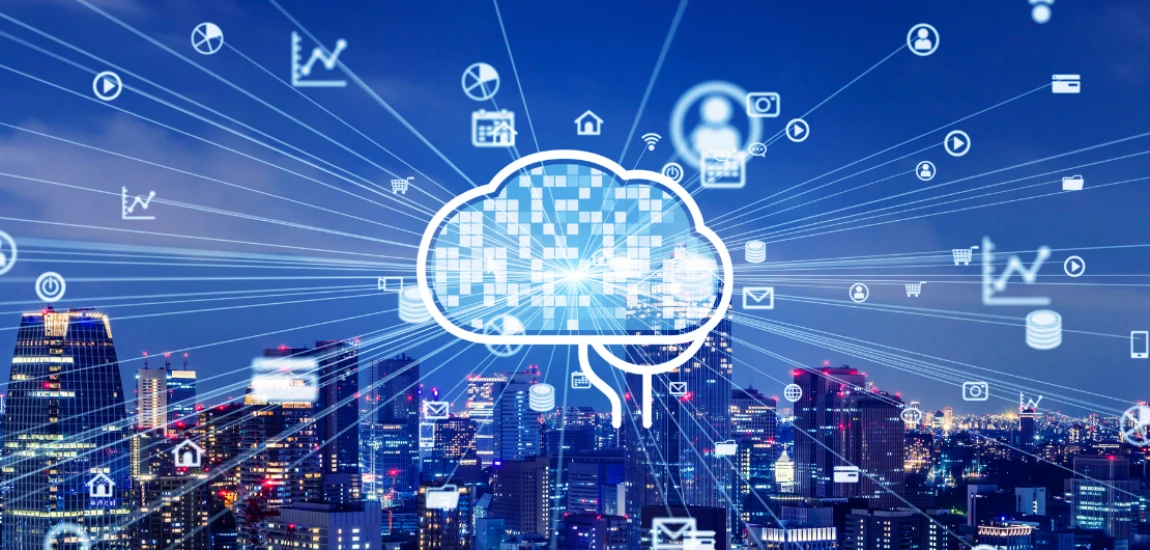
Cities are becoming increasingly complex as populations grow, infrastructure expands, and the demand for efficient public services rises. Traditional urban management systems often struggle to process the massive volumes of data generated by transportation networks, energy grids, public utilities, healthcare systems, and environmental monitoring platforms. As a result, city administrators face challenges related to congestion, energy consumption, pollution, resource allocation, and public safety.
Neuromorphic Smart City Systems represent a revolutionary approach to solving these challenges. Inspired by the structure and functionality of the human brain, neuromorphic computing enables machines to process information more efficiently, adapt to changing conditions, and learn continuously from real-world experiences. When integrated into urban environments, these systems can create self-learning cities capable of optimizing operations in real time.
Self-Learning Urban Intelligence Frameworks take this concept further by combining artificial intelligence, machine learning, edge computing, IoT devices, and predictive analytics into interconnected ecosystems. These frameworks continuously analyze urban data, identify patterns, anticipate future demands, and implement intelligent responses without requiring constant human intervention.
As smart city technologies continue to evolve, neuromorphic intelligence may become the foundation of future urban development, enabling cities that are more sustainable, resilient, efficient, and responsive to the needs of their residents.
Understanding Neuromorphic Smart City Systems

Brain-Inspired Computing for Urban Intelligence
Neuromorphic computing is designed to mimic the way biological neurons process information. Unlike conventional computing systems that rely on sequential processing, neuromorphic architectures operate through interconnected networks that process multiple data streams simultaneously. This enables faster decision-making, lower energy consumption, and improved adaptability.
In urban environments, neuromorphic systems can analyze vast amounts of information generated by traffic cameras, environmental sensors, energy networks, public transportation systems, and communication infrastructure. Rather than simply following predefined rules, these systems continuously learn from incoming data and improve their performance over time.
This capability allows cities to respond dynamically to changing conditions. For example, traffic management systems can adapt signal timing based on real-time congestion patterns, while energy networks can automatically redistribute power to meet fluctuating demand.
Continuous Learning and Adaptation
One of the most important advantages of neuromorphic systems is their ability to learn continuously. Traditional city management software often requires manual updates and predefined operational parameters. Neuromorphic systems, however, can adjust their behavior automatically as conditions evolve.
This continuous learning process enables urban infrastructures to become increasingly efficient over time. Transportation systems can optimize routes, utilities can predict maintenance requirements, and environmental monitoring platforms can identify emerging risks before they become major problems.
As urban complexity grows, adaptive intelligence becomes essential for maintaining efficient operations and improving quality of life.
Creating Intelligent Urban Ecosystems
Neuromorphic Smart City Systems function as interconnected ecosystems rather than isolated technologies. Transportation networks, public services, emergency response systems, and utility infrastructures communicate and share information continuously.
This integrated approach enables comprehensive situational awareness and coordinated decision-making. As a result, cities can operate more efficiently while providing better services to residents and businesses.
The Core Technologies Behind Self-Learning Urban Intelligence Frameworks

Internet of Things Integration
The Internet of Things forms the foundation of modern smart city ecosystems. Millions of connected devices collect data related to traffic flow, air quality, energy consumption, water usage, weather conditions, and public safety.
These devices act as the sensory network of the city, providing real-time information that feeds into neuromorphic intelligence platforms. Continuous data collection enables urban systems to maintain awareness of current conditions across the entire city.
The growing deployment of IoT technologies is expanding the capabilities of intelligent urban infrastructures worldwide.
Artificial Intelligence and Machine Learning
Artificial intelligence serves as the decision-making engine within self-learning urban frameworks. Machine learning algorithms analyze historical and real-time data to identify trends, predict future events, and optimize operational processes.
AI systems can forecast traffic congestion, estimate energy demand, anticipate infrastructure failures, and improve emergency response planning. These predictive capabilities allow cities to address challenges proactively rather than reactively.
As machine learning models gain access to more data, their accuracy and effectiveness continue to improve.
Edge Computing and Real-Time Processing
Modern cities generate enormous quantities of information every second. Processing all of this data in centralized facilities can introduce delays and increase bandwidth requirements.
Edge computing addresses this challenge by processing information closer to its source. Neuromorphic processors located within transportation hubs, utility systems, and public infrastructure can analyze data instantly and implement responses without relying on distant servers.
This real-time processing capability is essential for applications that require immediate action, such as traffic management and public safety systems.
Intelligent Transportation and Mobility Optimization

Adaptive Traffic Management
Traffic congestion remains one of the most significant challenges facing urban environments. Neuromorphic transportation systems can continuously monitor traffic conditions and adjust signal timing dynamically.
Unlike traditional traffic control systems, which often operate on fixed schedules, self-learning frameworks respond instantly to changing traffic patterns. This reduces congestion, shortens travel times, and improves fuel efficiency.
The result is a more efficient transportation network that benefits both commuters and the environment.
Autonomous Public Transportation
Future cities may rely heavily on autonomous buses, shuttles, and shared mobility services coordinated by neuromorphic intelligence systems.
These vehicles can communicate with infrastructure and other transportation assets to optimize routes, improve safety, and reduce operational costs. AI-powered scheduling systems can adjust service availability based on real-time demand.
Such capabilities contribute to more accessible and reliable public transportation services.
Smart Mobility Ecosystems
Beyond individual transportation modes, self-learning frameworks support integrated mobility ecosystems. These ecosystems coordinate public transit, ride-sharing services, cycling infrastructure, and pedestrian networks.
By optimizing interactions between different transportation options, cities can create seamless mobility experiences that reduce congestion and improve accessibility.
Sustainable Resource Management and Environmental Intelligence

Smart Energy Distribution
Energy efficiency is a key objective for modern cities. Neuromorphic systems can monitor energy consumption patterns and optimize distribution across residential, commercial, and industrial sectors.
AI-driven energy networks automatically balance supply and demand while integrating renewable energy sources such as solar and wind power.
These capabilities improve grid stability and reduce overall energy waste.
Water Management Optimization
Water resources are becoming increasingly valuable as urban populations grow. Intelligent water management systems monitor consumption patterns, detect leaks, and optimize distribution networks.
Neuromorphic intelligence enables predictive maintenance and resource conservation strategies that improve operational efficiency.
This contributes to long-term sustainability and infrastructure resilience.
Environmental Monitoring and Protection
Advanced sensor networks continuously monitor air quality, noise levels, weather conditions, and environmental health indicators.
Self-learning systems analyze this information to identify pollution sources, predict environmental risks, and recommend mitigation strategies.
These capabilities help cities maintain healthier and more sustainable living environments.


Gary Arndt operates "Everything Everywhere," a blog focusing on worldwide travel. An award-winning photographer, Gary shares stunning visuals alongside his travel tales.
Gary Arndt
Prev Post
Next Post