
Autonomous Underwater Civilization Systems and Deep-Ocean Habitat Management Frameworks
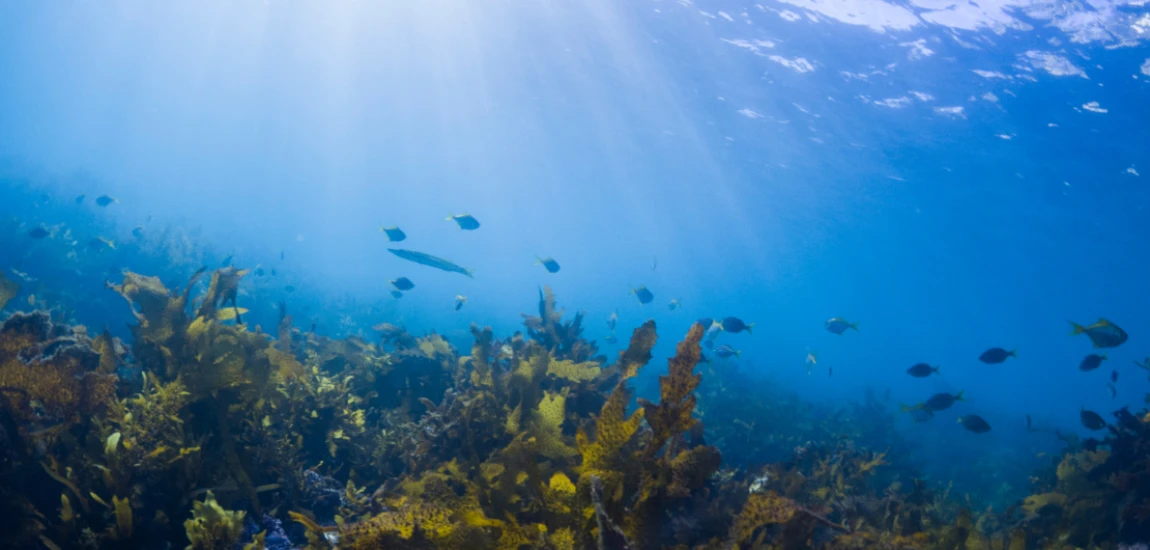
The oceans cover more than 70% of Earth’s surface, yet a vast majority of their depths remain unexplored and uninhabited by humans. As land-based resources become increasingly strained due to population growth, climate change, and urban expansion, scientists and engineers are exploring new frontiers for human habitation beneath the ocean surface. This vision has led to the emergence of Autonomous Underwater Civilization Systems and Deep-Ocean Habitat Management Frameworks.
These systems combine artificial intelligence, robotics, marine engineering, biotechnology, and environmental monitoring technologies to create self-sustaining underwater settlements. Unlike traditional offshore platforms or research stations, autonomous underwater civilizations are designed to support long-term human or AI-assisted habitation in extreme deep-sea environments.
Deep-ocean habitat management frameworks ensure the stability, safety, and sustainability of these underwater environments by regulating oxygen production, energy systems, food cultivation, waste management, and structural integrity.
As humanity looks toward expanding its living environments beyond terrestrial boundaries, underwater civilizations may become a crucial component of future global development strategies.
Understanding Autonomous Underwater Civilization Systems

The Evolution of Underwater Habitation Concepts
Human interest in underwater living dates back decades, with early experiments such as underwater research labs and marine exploration stations. However, these systems were limited in scale, duration, and technological capability.
Autonomous Underwater Civilization Systems represent a far more advanced concept, where entire self-sustaining communities operate beneath the ocean surface with minimal human intervention.
These systems are designed to function continuously in deep-sea environments, relying on AI-driven management systems, automated robotics, and advanced life-support technologies.
Unlike temporary underwater habitats, these civilizations are intended for long-term sustainability and expansion.
Core Principles of Underwater Civilization Design
The design of underwater civilizations is based on several critical principles including self-sufficiency, environmental adaptation, and structural resilience.
Self-sufficiency ensures that underwater habitats can generate their own energy, food, and oxygen without relying heavily on external support.
Environmental adaptation allows systems to withstand extreme pressure, low temperatures, and corrosive saltwater conditions found in deep oceans.
Structural resilience ensures that habitats remain stable despite underwater currents, geological activity, and long-term material degradation.
These principles form the foundation of sustainable underwater civilization development.
Why Deep-Ocean Living Matters
Deep-ocean environments offer vast untapped resources including minerals, biological diversity, and energy potential. However, these environments are extremely challenging for human survival.
Autonomous underwater civilization systems make it possible to safely explore and utilize these resources while minimizing environmental impact.
They also provide alternative living spaces in response to rising sea levels and land scarcity.
Core Technologies Behind Deep-Ocean Habitat Management Frameworks

AI-Controlled Environmental Regulation Systems
Artificial intelligence plays a central role in maintaining stable underwater living conditions. AI systems continuously monitor environmental variables such as pressure, temperature, oxygen levels, and water composition.
These systems automatically adjust habitat conditions to ensure human and robotic occupants can survive comfortably.
AI-based regulation reduces the need for manual intervention and enhances system stability.
Advanced Underwater Robotics and Maintenance Systems
Robotic systems are essential for maintaining underwater civilizations. These robots perform tasks such as infrastructure repair, material transport, environmental cleaning, and structural inspection.
Autonomous underwater drones can navigate complex ocean environments to monitor habitat integrity and detect potential risks.
Robotic maintenance systems ensure continuous operation even in harsh deep-sea conditions.
Bio-Integrated Life Support Technologies
Life support systems in underwater civilizations rely heavily on biological and technological integration.
Oxygen production may be supported through artificial photosynthesis systems or algae-based bioreactors.
Waste recycling systems convert organic material into usable resources, ensuring sustainability.
These bio-integrated systems help maintain ecological balance within underwater habitats.
Applications of Autonomous Underwater Civilization Systems

Deep-Sea Research and Exploration
Autonomous underwater civilizations provide stable platforms for long-term marine research and exploration.
Scientists can study deep-sea ecosystems, geological formations, and marine biodiversity without time limitations imposed by traditional submersibles.
AI systems assist in data collection and environmental analysis, improving scientific understanding of ocean ecosystems.
Resource Extraction and Ocean Mining
The deep ocean contains valuable resources such as rare minerals, metals, and energy deposits.
Autonomous underwater systems can safely extract these resources using robotic mining technologies while minimizing environmental damage.
AI-driven resource management ensures sustainable extraction practices.
Climate Change Adaptation and Coastal Protection
Rising sea levels and climate change are threatening coastal cities worldwide.
Underwater civilizations may play a role in climate adaptation strategies by providing alternative living spaces and stabilizing marine environments.
These systems can also support coastal protection by monitoring ocean conditions and preventing ecological degradation.
AI Automation in Underwater Habitat Systems

Real-Time Ocean Monitoring Networks
AI-powered systems continuously monitor ocean conditions including currents, temperature changes, seismic activity, and biological activity.
This real-time data is used to maintain habitat safety and optimize environmental conditions.
Continuous monitoring helps detect potential threats such as underwater earthquakes or structural damage.
Predictive Maintenance and Structural Safety
AI systems analyze structural data from underwater habitats to predict maintenance needs before failures occur.
Machine learning models detect early signs of material fatigue, corrosion, or pressure stress.
Predictive maintenance ensures long-term stability and reduces operational risks.
Autonomous Resource Distribution Systems
Underwater civilizations rely on efficient distribution of energy, food, and oxygen.
AI-controlled systems manage resource allocation across different habitat zones based on demand and availability.
This ensures balanced and sustainable living conditions within underwater environments.


Anil Polat, behind the blog "FoxNomad," combines technology and travel. A computer security engineer by profession, he focuses on the tech aspects of travel.
Anil Polat

Prev Post

Next Post