
Autonomous Micro-Savings Ecosystems That Turn Daily Habits into Long-Term Wealth
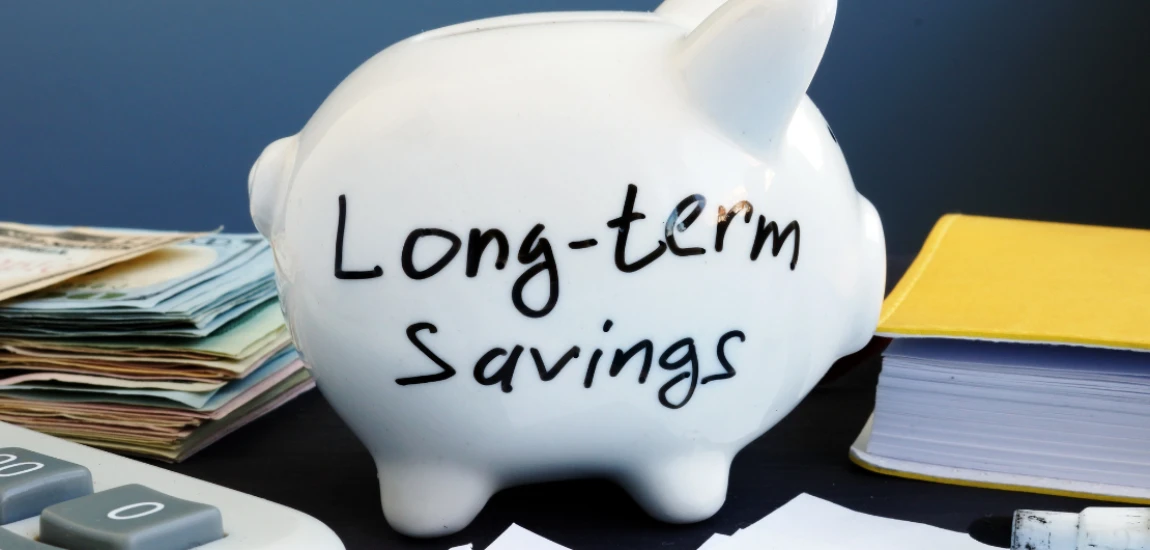
Saving money has traditionally been viewed as a disciplined activity that requires careful budgeting, strong self-control, and long-term commitment. However, modern financial technology is changing this perspective by making saving almost effortless. With the rapid advancement of artificial intelligence (AI), machine learning, predictive analytics, automation, digital banking, and behavioral finance, a new generation of financial systems known as Autonomous Micro-Savings Ecosystems is emerging. These intelligent ecosystems transform small daily financial actions into meaningful long-term wealth-building opportunities without requiring constant manual effort.
Instead of asking individuals to set aside large amounts of money each month, Autonomous Micro-Savings Ecosystems identify small saving opportunities throughout daily life. Every purchase, digital payment, cashback reward, salary deposit, subscription adjustment, and spending decision becomes an opportunity to automatically increase savings. Although each contribution may appear insignificant, the cumulative effect over months and years can create substantial financial growth through consistency and compound returns.
Unlike traditional savings accounts that depend entirely on manual deposits, these ecosystems continuously monitor financial behavior and automatically optimize savings strategies based on changing income, expenses, financial goals, and economic conditions. Artificial intelligence analyzes spending patterns, predicts future expenses, detects unnecessary purchases, and adjusts savings contributions without disrupting everyday lifestyles.
As digital banking platforms, fintech applications, and AI-powered financial assistants become more advanced, Autonomous Micro-Savings Ecosystems are expected to become an essential component of modern personal finance. They simplify money management, strengthen financial discipline, encourage consistent saving habits, and enable individuals to build wealth almost invisibly through ordinary daily activities.
Understanding Autonomous Micro-Savings Ecosystems

What Are Autonomous Micro-Savings Ecosystems?
Autonomous Micro-Savings Ecosystems are intelligent financial systems designed to automate small savings contributions by analyzing everyday financial activities. Rather than requiring individuals to manually transfer money into savings accounts, these platforms identify opportunities to save automatically while maintaining financial balance.
Artificial intelligence securely connects with checking accounts, savings accounts, credit cards, digital wallets, investment portfolios, payroll systems, and mobile payment applications. This creates a complete financial profile that enables AI to understand income patterns, recurring expenses, spending behavior, debt obligations, and long-term financial objectives.
Every financial transaction contributes valuable information. Grocery purchases, coffee payments, transportation expenses, online shopping, utility bills, salary deposits, cashback rewards, and subscription renewals all help AI identify opportunities for micro-savings. For example, the system may round purchases to the nearest dollar, automatically save small percentages of daily spending, or transfer unused budget balances into dedicated savings accounts.
Unlike static savings plans, Autonomous Micro-Savings Ecosystems evolve continuously. Career changes, salary increases, family responsibilities, retirement planning, inflation, and economic conditions all influence future saving strategies. Instead of requiring users to redesign financial plans manually, AI updates savings recommendations automatically.
This adaptive approach enables consistent financial progress while minimizing the effort traditionally associated with saving money.
Technologies Behind Intelligent Micro-Savings
Several advanced technologies power Autonomous Micro-Savings Ecosystems. Artificial intelligence functions as the central analytical engine responsible for evaluating financial activity and generating personalized saving strategies.
Machine learning continuously improves recommendations by learning from changing financial behavior over time. Predictive analytics forecasts future expenses, income changes, seasonal spending, inflation impacts, and financial risks before they affect savings goals.
Cloud computing securely synchronizes financial information across multiple institutions, allowing users to monitor all financial accounts through one integrated platform. Behavioral finance strengthens the ecosystem by identifying emotional spending habits, impulse purchases, and inconsistent financial behaviors that may reduce long-term wealth accumulation.
Natural language processing enhances accessibility by allowing users to communicate with AI-powered financial assistants using simple conversational language instead of complicated financial terminology.
Together, these technologies create adaptive savings systems that continuously optimize financial decisions while making saving effortless.
Why Micro-Savings Are Becoming Essential
Traditional savings strategies often encourage individuals to deposit fixed amounts every month. While this approach remains effective, many people struggle to maintain consistency because of fluctuating income, rising living costs, or unexpected expenses.
Micro-savings solve this challenge by focusing on frequent, manageable contributions rather than large monthly deposits. Small automatic transfers made consistently over time often prove easier to maintain than larger manual contributions.
Autonomous Micro-Savings Ecosystems further improve this concept by continuously adjusting contribution amounts according to changing financial conditions. Instead of interrupting daily life, these systems quietly strengthen savings whenever financial opportunities become available.
This flexibility encourages sustainable financial habits while making long-term wealth creation accessible to individuals across all income levels.
How Artificial Intelligence Automates Everyday Saving

Continuous Monitoring of Financial Activity
Artificial intelligence continuously monitors financial activity to identify opportunities for automatic saving without requiring manual budgeting. Every paycheck, digital payment, investment contribution, recurring bill, subscription renewal, grocery purchase, transportation expense, and entertainment transaction provides meaningful information that helps AI optimize savings strategies.
Unlike traditional budgeting applications that summarize financial activity after spending occurs, Autonomous Micro-Savings Ecosystems analyze transactions in real time. If spending decreases within one category or income increases unexpectedly, AI immediately redirects surplus funds toward savings before unnecessary spending occurs.
For example, if grocery spending falls below the monthly budget, AI may automatically transfer the remaining balance into an emergency savings account. Likewise, cashback rewards, tax refunds, bonuses, freelance earnings, or investment dividends can be partially redirected into long-term savings automatically.
Continuous monitoring also identifies wasteful spending patterns. Duplicate subscriptions, unnecessary service fees, or recurring purchases with limited value may trigger recommendations that further increase available savings.
This proactive financial oversight strengthens long-term financial discipline while requiring very little effort from users.
Predictive Savings Planning
Predictive analytics enables Autonomous Micro-Savings Ecosystems to forecast future financial needs while optimizing current savings contributions. Artificial intelligence analyzes historical spending patterns, recurring expenses, inflation forecasts, healthcare costs, education expenses, tax obligations, and seasonal financial trends to estimate future cash requirements.
For example, AI may anticipate holiday shopping, insurance renewals, vehicle maintenance, home repairs, or tuition payments months before they become due. Rather than waiting until these expenses reduce available savings, the system gradually adjusts micro-savings contributions over time.
Predictive analytics also evaluates external economic conditions such as inflation, interest rates, labor market changes, and market volatility. During periods of financial uncertainty, AI may recommend strengthening emergency reserves before increasing investment contributions.
As machine learning continuously processes additional financial data, forecasting accuracy improves, allowing savings strategies to become increasingly personalized and effective.
Intelligent Automation Creates Consistent Saving Habits
One of the greatest strengths of Autonomous Micro-Savings Ecosystems is intelligent automation. Saving no longer depends entirely on memory, motivation, or financial discipline because AI manages routine savings automatically.
The system can round up purchases, allocate small percentages of income, redirect cashback rewards, transfer unused budget balances, automate recurring savings deposits, and increase contributions whenever income exceeds expectations.
Automation also adapts to changing financial conditions. During months with higher expenses or reduced income, AI temporarily lowers contributions while protecting essential household needs. During financially stable periods, larger contributions accelerate savings growth.
Because automation operates quietly in the background, individuals develop consistent saving habits without constantly thinking about financial management. This steady, effortless approach helps transform small everyday actions into meaningful long-term wealth accumulation.
Personalized Micro-Savings Strategies for Different Financial Goals

Adapting Savings Plans to Individual Financial Needs
One of the greatest advantages of Autonomous Micro-Savings Ecosystems is their ability to create personalized saving strategies instead of relying on fixed monthly savings targets. Every individual has unique financial responsibilities, income levels, spending habits, career paths, and long-term objectives. Artificial intelligence evaluates these factors to develop customized micro-savings plans that fit naturally into each user's financial lifestyle.
AI analyzes salary deposits, freelance income, recurring household expenses, debt repayments, insurance costs, investment contributions, retirement planning, emergency funds, and discretionary spending. Based on this comprehensive financial profile, the system determines how much money can safely be saved without creating financial stress.
For example, a recent college graduate may receive recommendations focused on building an emergency fund while gradually reducing student loan debt. A growing family may prioritize education savings, healthcare reserves, and home maintenance funds. Self-employed professionals with fluctuating monthly income may receive flexible savings recommendations that increase during profitable months and decrease during slower periods. Individuals approaching retirement may prioritize stable savings growth alongside lower-risk investments.
As personal circumstances change, the ecosystem automatically updates savings strategies. Promotions, salary increases, marriage, relocation, business ownership, or retirement all influence future recommendations without requiring users to redesign their financial plans manually.
This personalized approach makes saving both practical and sustainable while helping individuals achieve financial goals more efficiently.
Turning Everyday Habits into Long-Term Wealth
Small daily financial decisions often have a greater long-term impact than occasional large savings deposits. Autonomous Micro-Savings Ecosystems recognize this by transforming ordinary spending habits into continuous wealth-building opportunities.
Artificial intelligence monitors spending behavior and identifies moments where tiny savings can be created without disrupting everyday life. Rounding purchases to the nearest dollar, saving spare change from digital transactions, redirecting cashback rewards, allocating a percentage of discounts received during shopping, or transferring unused portions of monthly budgets all contribute to long-term financial growth.
Although individual transfers may only represent a few cents or a few dollars, their cumulative effect becomes significant over time. Consistent micro-savings combined with compound investment returns can generate substantial financial growth over many years.
AI also reinforces positive financial behavior by identifying spending improvements. Reduced restaurant expenses, lower utility bills, successful budget management, or improved debt repayment may trigger automatic increases in savings contributions.
Instead of requiring major lifestyle changes, the ecosystem quietly builds wealth through everyday financial activity, making saving feel almost effortless.
Managing Multiple Financial Goals Simultaneously
Most people pursue several financial objectives at once. They may want to establish an emergency fund, save for retirement, invest for future wealth, purchase a home, finance education, travel, or eliminate debt. Managing all these priorities manually often becomes complicated.
Autonomous Micro-Savings Ecosystems simplify this challenge by using predictive analytics to prioritize financial goals based on urgency, timeline, and long-term value.
For example, AI may initially allocate most micro-savings toward emergency reserves until recommended balances are reached. Afterward, contributions can automatically shift toward retirement investments, education savings, or homeownership funds while maintaining emergency protection.
Interactive dashboards allow users to monitor progress toward each financial objective while receiving personalized recommendations for accelerating success. Instead of forcing individuals to choose between competing financial priorities, AI creates balanced savings strategies that support multiple goals simultaneously.
This intelligent allocation process helps maximize long-term financial growth while maintaining financial flexibility throughout every stage of life.
Automation and Predictive Analytics for Long-Term Wealth Growth

Intelligent Automation Creates Lifelong Saving Habits
Automation is one of the most powerful features of Autonomous Micro-Savings Ecosystems because it removes the need for constant financial decision-making. Instead of relying on memory or self-discipline, artificial intelligence automatically saves money whenever opportunities arise.
The system can round up debit card purchases, transfer small percentages of salary deposits, allocate cashback rewards, redirect investment dividends, automate recurring savings deposits, and invest surplus account balances according to personalized financial goals.
Automation also adjusts according to changing financial conditions. During months with higher income from bonuses, commissions, or freelance work, savings contributions automatically increase. During temporary financial challenges, AI reduces transfers while ensuring essential living expenses remain fully covered.
This adaptive automation allows users to save consistently without feeling financially restricted, making long-term wealth building both practical and sustainable.
Predictive Analytics Optimizes Future Savings
Predictive analytics transforms savings from a reactive activity into a proactive financial strategy. Artificial intelligence evaluates historical spending patterns, recurring bills, inflation forecasts, seasonal expenses, healthcare costs, insurance renewals, tax obligations, and broader economic trends to forecast future financial requirements.
For example, AI may predict higher holiday spending, annual insurance premiums, home maintenance costs, vehicle repairs, or education expenses months before they occur. Instead of allowing these costs to interrupt savings progress, the ecosystem gradually adjusts micro-savings contributions over time.
Predictive models also monitor macroeconomic conditions such as inflation, interest rate changes, labor market conditions, and investment performance. If economic uncertainty increases, AI may temporarily strengthen emergency reserves before expanding investment contributions.
As machine learning continuously processes additional financial information, forecasting accuracy improves. This allows the ecosystem to create increasingly personalized savings strategies that remain effective under changing financial conditions.
The Future of Autonomous Micro-Savings Ecosystems
The future of Autonomous Micro-Savings Ecosystems extends far beyond automatic savings transfers. Next-generation AI-powered financial platforms will function as intelligent wealth-building assistants capable of optimizing nearly every aspect of personal finance.
Future systems may automatically compare banking products, recommend higher-yield savings accounts, optimize tax strategies, negotiate lower subscription fees, monitor investment portfolios, improve credit health, and integrate with payroll systems, digital wallets, retirement accounts, and smart banking services.
Voice-enabled AI assistants will provide personalized financial guidance through simple conversations, allowing users to receive instant recommendations for saving, investing, budgeting, or reducing expenses. Continuous monitoring of both personal financial behavior and global economic conditions will make recommendations increasingly accurate and valuable.
Ultimately, Autonomous Micro-Savings Ecosystems represent the future of intelligent personal finance. By combining artificial intelligence, predictive analytics, automation, machine learning, and behavioral finance, these ecosystems transform ordinary daily habits into consistent long-term wealth creation. Rather than depending on occasional financial discipline, individuals benefit from continuous, automated progress that strengthens savings, improves financial resilience, and makes achieving long-term financial independence significantly more attainable.


Gilbert Ott, the man behind "God Save the Points," specializes in travel deals and luxury travel. He provides expert advice on utilizing rewards and finding travel discounts.
Gilbert Ott

Prev Post

Next Post