
Intelligent Human–Robot Collaboration Systems and Autonomous Industrial Assistance Frameworks
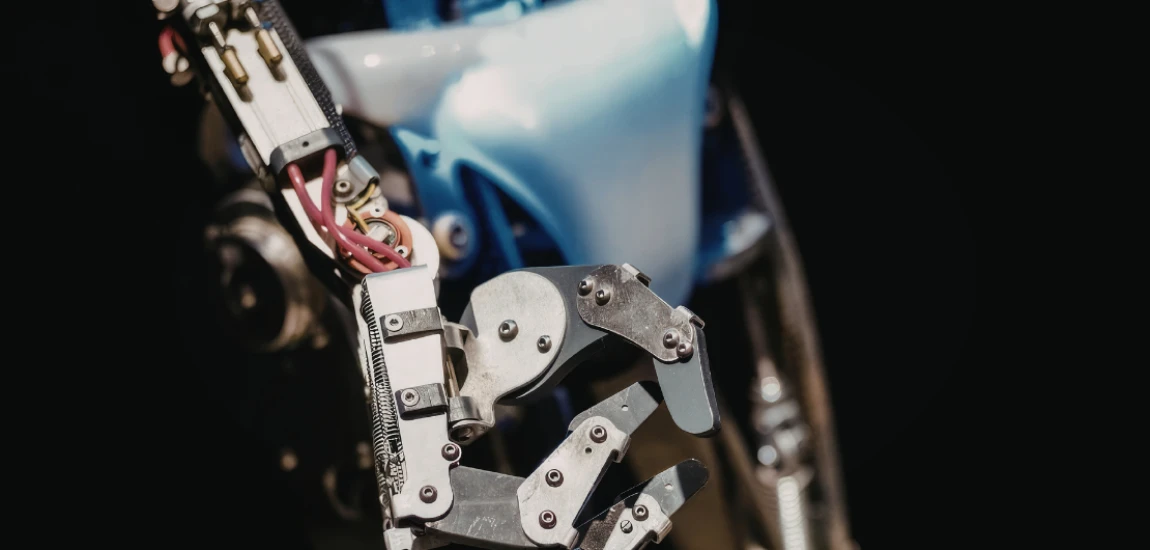
The industrial world is undergoing a major transformation driven by artificial intelligence, robotics, automation, and smart manufacturing technologies. Traditional industrial automation systems were primarily designed to operate independently from human workers, often requiring physical separation due to safety concerns and operational limitations. However, modern industries now demand more flexible, intelligent, and collaborative environments where humans and robots can work together efficiently and safely.
Intelligent human–robot collaboration systems and autonomous industrial assistance frameworks are emerging as groundbreaking technologies that combine human creativity, decision-making, and problem-solving abilities with robotic precision, speed, and endurance. These systems enable collaborative robots, or cobots, to assist workers in manufacturing, logistics, healthcare, warehousing, construction, and industrial maintenance tasks.
Unlike conventional robotic systems, intelligent collaborative robots use artificial intelligence, machine learning, computer vision, and sensor technologies to understand human behavior, adapt to changing environments, and interact safely with workers in real time. Autonomous industrial assistance frameworks further enhance operational efficiency by integrating robotics, IoT connectivity, cloud computing, predictive analytics, and real-time monitoring systems into unified industrial ecosystems.
As industries move toward Industry 4.0 and smart factory environments, intelligent human–robot collaboration is becoming essential for improving productivity, reducing workplace injuries, optimizing operational workflows, and maintaining global competitiveness.
In this blog, we will explore the foundations, technologies, benefits, applications, challenges, and future opportunities of intelligent human–robot collaboration systems while understanding how autonomous industrial assistance frameworks are reshaping modern industrial operations.
Understanding Intelligent Human–Robot Collaboration Systems

The Evolution of Collaborative Robotics
Robotics has evolved significantly from traditional industrial automation systems that performed repetitive tasks inside isolated environments. Early robotic systems lacked flexibility, environmental awareness, and adaptive decision-making capabilities, limiting their interaction with human workers.
Modern intelligent human–robot collaboration systems are designed specifically to operate alongside humans in shared workspaces. These collaborative robots use advanced sensors, AI algorithms, and machine learning technologies to detect human movement, analyze surrounding conditions, and adjust their actions accordingly.
Collaborative robotics represents a major shift from isolated automation toward integrated teamwork between humans and machines. Instead of replacing workers entirely, intelligent robots enhance human productivity by assisting with physically demanding, repetitive, or high-risk tasks.
As industries continue adopting automation technologies, collaborative robotics is becoming a critical component of future-ready industrial infrastructure.
Artificial Intelligence in Human–Robot Interaction
Artificial intelligence plays a central role in enabling safe and efficient collaboration between humans and robots. AI-powered systems allow robots to interpret voice commands, recognize gestures, analyze facial expressions, and understand operational environments in real time.
Machine learning algorithms continuously improve robotic performance by learning from previous interactions and adapting to new operational scenarios. This enables robots to assist workers more effectively while reducing errors and improving workflow efficiency.
Computer vision systems further enhance human–robot interaction by allowing robots to identify objects, monitor worker movements, and respond dynamically to environmental changes.
AI-driven collaboration frameworks create more intuitive and responsive industrial environments where humans and robots can work together seamlessly.
Safety Mechanisms and Adaptive Robotics
Safety remains one of the most important aspects of collaborative robotics. Intelligent robots are equipped with advanced safety technologies such as force sensors, motion tracking systems, collision detection mechanisms, and predictive movement analysis.
These systems allow robots to slow down, stop, or adjust their actions instantly when humans enter their workspace. Adaptive safety mechanisms reduce workplace accidents and create safer operational environments for employees.
Modern collaborative robots also use real-time environmental awareness to optimize task execution without compromising worker safety. This adaptability enables industries to integrate robotic systems into dynamic workspaces more effectively.
Improved safety standards are accelerating the adoption of human–robot collaboration systems across manufacturing, logistics, and healthcare industries worldwide.
Autonomous Industrial Assistance Frameworks and Smart Manufacturing

Integrated Smart Factory Ecosystems
Autonomous industrial assistance frameworks are a core component of smart manufacturing and Industry 4.0 initiatives. These frameworks integrate robotics, AI, IoT devices, cloud computing, and predictive analytics into unified industrial ecosystems.
Smart factory environments use interconnected systems to monitor production processes, optimize workflows, and automate operational decision-making in real time. Autonomous assistance systems coordinate robotic operations, inventory management, machine maintenance, and quality control seamlessly.
AI-driven industrial frameworks continuously analyze operational data to identify inefficiencies, predict equipment failures, and improve production performance. This level of automation enhances manufacturing flexibility while reducing operational downtime.
Integrated smart factory ecosystems enable industries to respond rapidly to changing market demands and production requirements.
IoT Connectivity and Real-Time Monitoring
Internet of Things technology plays a critical role in autonomous industrial assistance systems. Connected sensors and smart devices collect real-time operational data from machines, robots, assembly lines, and warehouse environments.
This continuous data flow enables industrial managers to monitor production performance, equipment conditions, and workplace safety metrics remotely. AI-powered analytics platforms process this information instantly and generate actionable insights for operational optimization.
Real-time monitoring systems also support predictive maintenance strategies by identifying early signs of equipment wear or malfunction. This helps industries reduce maintenance costs and prevent unexpected production disruptions.
The integration of IoT connectivity with autonomous robotics creates highly responsive and data-driven industrial operations.
Cloud Computing and Industrial Automation
Cloud computing provides the computational power and scalability required for managing complex industrial automation systems. Cloud-based platforms store operational data, support AI model training, and enable centralized industrial management across multiple facilities.
Autonomous industrial assistance frameworks use cloud computing to coordinate robotic fleets, optimize production scheduling, and manage supply chain operations efficiently.
Cloud-based automation systems also improve collaboration between industrial teams by providing shared access to operational dashboards, analytics tools, and predictive insights.
Scalable cloud infrastructure enables businesses to expand automation capabilities without requiring extensive local computing resources.
Benefits of Intelligent Human–Robot Collaboration Systems

Increased Productivity and Operational Efficiency
One of the biggest advantages of intelligent human–robot collaboration systems is improved productivity. Collaborative robots can perform repetitive and physically demanding tasks continuously with high precision and consistency.
Human workers, meanwhile, can focus on creative problem-solving, quality assessment, and strategic decision-making activities. This balanced collaboration improves overall operational efficiency and production speed.
AI-powered automation systems also optimize workflow coordination by reducing bottlenecks and minimizing downtime. Intelligent robots can adapt to changing production requirements in real time, enhancing manufacturing flexibility.
Increased efficiency allows industries to improve output quality while reducing operational costs significantly.
Enhanced Workplace Safety and Employee Support
Industrial workplaces often involve hazardous conditions such as heavy machinery, toxic materials, repetitive motion tasks, and physically demanding operations. Intelligent collaborative robots help reduce workplace injuries by taking over dangerous and repetitive tasks.
Autonomous industrial assistance systems also monitor environmental conditions and worker safety continuously. AI-powered safety platforms can detect abnormal activities, equipment malfunctions, or hazardous situations instantly.
By reducing physical strain and improving operational safety, collaborative robotics contributes to better employee well-being and job satisfaction.
Safer workplaces also reduce compensation costs, operational disruptions, and regulatory compliance risks for businesses.
Flexibility and Workforce Adaptability
Unlike traditional industrial robots designed for fixed repetitive tasks, collaborative robots are highly adaptable and programmable. They can perform multiple functions and adjust to changing operational requirements quickly.
This flexibility enables industries to respond more effectively to fluctuating market demands and customized production needs. Businesses can reconfigure robotic systems for different workflows without extensive infrastructure modifications.
Collaborative robots also support workforce adaptability by assisting employees in learning new tasks and improving operational efficiency.
The combination of human intelligence and robotic adaptability creates more resilient and competitive industrial environments.
Applications of Human–Robot Collaboration in Modern Industries

Manufacturing and Assembly Operations
Manufacturing remains one of the largest application areas for intelligent human–robot collaboration systems. Collaborative robots assist workers in assembly, welding, packaging, inspection, and material handling tasks.
AI-powered robotic systems improve precision and consistency while reducing production errors. Computer vision technologies enable robots to inspect products for defects and support real-time quality control processes.
Collaborative manufacturing environments also improve production scalability by enabling flexible automation across multiple product lines.
As smart factories continue evolving, human–robot collaboration will become increasingly central to industrial manufacturing operations.
Warehousing and Logistics Automation
Warehousing and logistics industries are rapidly adopting autonomous industrial assistance frameworks to improve inventory management, order fulfillment, and transportation efficiency.
Collaborative robots assist workers in picking, sorting, packaging, and transporting goods within warehouse environments. AI-driven logistics systems optimize inventory placement and delivery scheduling based on real-time demand analysis.
Autonomous mobile robots navigate warehouse facilities independently while coordinating safely with human workers and other robotic systems.
These technologies significantly improve operational speed, accuracy, and supply chain efficiency.
Healthcare and Medical Assistance
Human–robot collaboration systems are also transforming healthcare environments. Intelligent robotic assistants support medical professionals in surgery, rehabilitation, patient monitoring, and hospital logistics operations.
AI-powered healthcare robots can assist with medication delivery, patient mobility support, and remote medical consultations. Collaborative robotic systems also help reduce healthcare worker fatigue and improve patient care quality.
In surgical environments, robotic assistance technologies enhance precision and minimize procedural risks.
The healthcare industry continues expanding the use of collaborative robotics to improve operational efficiency and patient outcomes.


Gary Arndt operates "Everything Everywhere," a blog focusing on worldwide travel. An award-winning photographer, Gary shares stunning visuals alongside his travel tales.
Gary Arndt
Prev Post

Next Post