
AI-Driven Environmental Sustainability Systems and Adaptive Resource Conservation Architectures
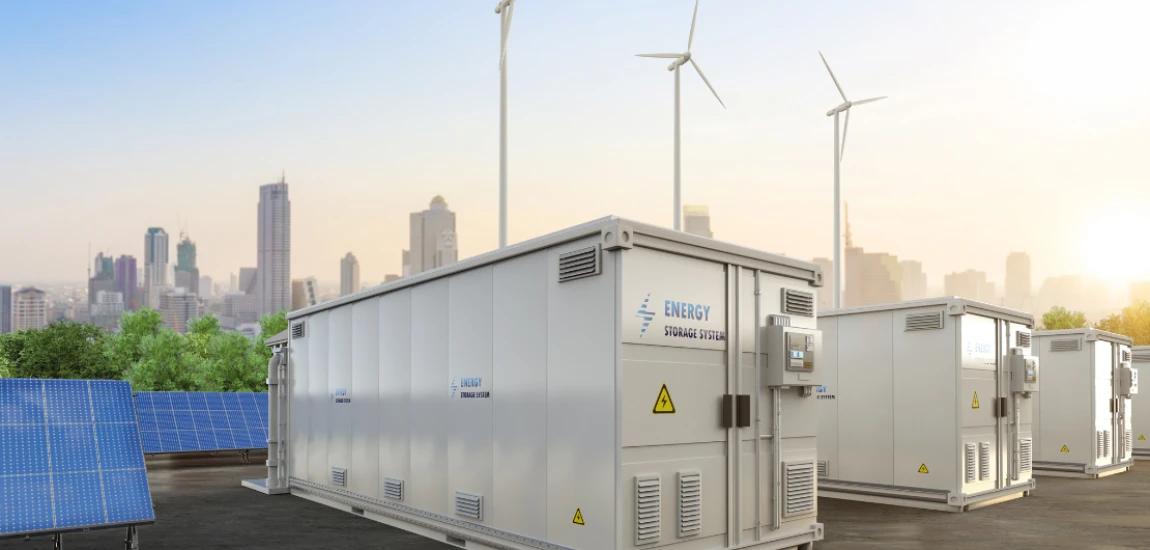
The world is currently facing some of the most pressing environmental challenges in history, including climate change, deforestation, water scarcity, pollution, biodiversity loss, and overconsumption of natural resources. Traditional environmental management approaches often rely on manual monitoring, delayed reporting, and reactive decision-making, which are no longer sufficient to address the scale and speed of ecological degradation.
To combat these challenges, governments, organizations, and researchers are increasingly adopting AI-driven environmental sustainability systems and adaptive resource conservation architectures. These advanced systems leverage artificial intelligence, machine learning, big data analytics, IoT sensor networks, and predictive modeling to monitor, analyze, and optimize environmental resources in real time.
Unlike traditional environmental systems, AI-powered sustainability frameworks are capable of continuous learning, dynamic adaptation, and autonomous decision-making. They can detect environmental risks early, optimize energy and water usage, reduce carbon emissions, and support long-term ecological balance.
Adaptive resource conservation architectures further enhance these systems by enabling intelligent allocation and management of natural resources based on real-time environmental conditions and predictive analytics. These architectures ensure that resources such as water, energy, forests, and biodiversity are used efficiently and sustainably.
In this blog, we will explore the technologies, benefits, applications, challenges, and future of AI-driven environmental sustainability systems while understanding how adaptive conservation architectures are reshaping global environmental protection and sustainability efforts.
Understanding AI-Driven Environmental Sustainability Systems

Evolution of Environmental Monitoring and Sustainability Technologies
Environmental monitoring has evolved significantly over the past few decades. Traditional methods relied heavily on manual data collection, periodic surveys, and static reporting systems. These approaches often suffered from delays, inaccuracies, and limited coverage of ecological data.
With the advancement of digital technologies, environmental monitoring systems began integrating remote sensing, satellite imaging, and automated data collection tools. However, these systems still lacked real-time intelligence and predictive capabilities.
AI-driven environmental sustainability systems represent the next stage of evolution. These systems use artificial intelligence and machine learning to continuously monitor environmental conditions, analyze large datasets, and generate actionable insights in real time.
They integrate data from satellites, drones, ground sensors, weather stations, and industrial systems to provide a comprehensive view of environmental health.
Artificial Intelligence in Environmental Decision-Making
Artificial intelligence plays a central role in modern environmental sustainability systems by enabling intelligent data processing, pattern recognition, and predictive analytics.
Machine learning models analyze environmental data such as air quality, water levels, temperature changes, and carbon emissions to identify trends and anomalies.
AI systems can predict environmental risks such as floods, droughts, wildfires, and pollution spikes before they occur, allowing for proactive intervention.
Natural language processing (NLP) is also used to analyze environmental reports, policy documents, and scientific research to support decision-making.
AI-driven environmental intelligence improves accuracy, speed, and efficiency in sustainability management.
Real-Time Environmental Data Integration
Real-time data integration is a key feature of AI-driven environmental systems. These systems collect and process continuous data streams from multiple environmental sources.
IoT sensors monitor air pollution, water quality, soil conditions, and energy consumption in real time.
Satellite imaging and remote sensing technologies provide large-scale environmental observations across forests, oceans, and urban areas.
AI systems process this data instantly to provide up-to-date insights into environmental conditions and resource usage.
Real-time intelligence enables faster and more effective environmental responses.
Adaptive Resource Conservation Architectures

Intelligent Resource Allocation Systems
Adaptive resource conservation architectures are designed to optimize the allocation and usage of natural resources based on real-time environmental conditions.
These systems use AI algorithms to distribute resources such as water, energy, and raw materials efficiently across different regions and sectors.
Machine learning models predict resource demand patterns and adjust supply dynamically to prevent waste and shortages.
Intelligent allocation systems ensure that resources are used sustainably and equitably.
Predictive Environmental Modeling
Predictive modeling is a core component of adaptive conservation systems. AI systems simulate environmental scenarios to forecast future conditions and resource needs.
These models analyze historical data and current environmental trends to predict outcomes such as water scarcity, energy demand, and ecosystem changes.
Predictive analytics helps policymakers and organizations plan sustainable resource management strategies.
By anticipating environmental changes, these systems reduce risk and improve long-term sustainability.
IoT and Smart Environmental Infrastructure
IoT-enabled infrastructure forms the backbone of adaptive resource conservation systems. Smart sensors and connected devices continuously monitor environmental conditions.
Smart grids optimize energy distribution, while intelligent irrigation systems manage water usage efficiently in agriculture.
Waste management systems use IoT sensors to track waste levels and optimize collection routes.
This interconnected infrastructure enables efficient and automated resource management across multiple sectors.
Benefits of AI-Driven Environmental Sustainability Systems

Improved Climate Monitoring and Early Warning Systems
One of the most important benefits of AI-driven sustainability systems is enhanced climate monitoring and early warning capabilities.
AI systems detect environmental changes such as rising temperatures, pollution levels, and weather anomalies in real time.
Predictive models forecast natural disasters such as floods, hurricanes, and wildfires with greater accuracy.
Early warning systems enable governments and organizations to take preventive measures and reduce environmental damage.
Improved climate monitoring enhances global environmental resilience.
Efficient Resource Utilization and Waste Reduction
AI-driven systems optimize the use of natural resources by reducing waste and improving efficiency.
Smart energy systems adjust consumption based on demand and availability, reducing unnecessary energy usage.
Water management systems ensure efficient distribution and prevent overuse in agriculture and urban areas.
Waste reduction technologies help minimize environmental pollution and improve recycling efficiency.
Efficient resource utilization supports long-term environmental sustainability.
Enhanced Biodiversity and Ecosystem Protection
AI-powered environmental systems play a crucial role in protecting biodiversity and ecosystems.
Wildlife monitoring systems use AI-powered cameras and drones to track animal populations and detect illegal activities such as poaching.
Forest monitoring systems analyze deforestation patterns and support conservation efforts.
Marine monitoring systems track ocean health and detect pollution levels in real time.
These technologies help preserve ecosystems and protect endangered species.
Applications of Environmental Sustainability Systems

Smart Cities and Urban Environmental Management
Smart cities use AI-driven sustainability systems to manage urban environments efficiently.
These systems monitor air quality, traffic emissions, energy consumption, and waste management in real time.
AI-powered platforms optimize public transportation, reduce pollution, and improve urban living conditions.
Smart environmental management enhances sustainability in rapidly growing urban areas.
Renewable Energy Optimization
AI-driven sustainability systems are widely used in renewable energy management, including solar, wind, and hydroelectric power systems.
Predictive models forecast energy production based on weather conditions and environmental factors.
Smart grids optimize energy distribution and storage to improve efficiency.
These systems support the transition toward clean and renewable energy sources.
Agriculture and Water Resource Management
Agriculture benefits significantly from AI-driven environmental systems through precision farming and water management technologies.
Smart irrigation systems optimize water usage based on soil conditions and weather data.
AI-powered crop monitoring systems improve agricultural productivity while reducing environmental impact.
Water resource management systems ensure sustainable usage and distribution of freshwater resources.


Ben Schlappig runs "One Mile at a Time," focusing on aviation and frequent flying. He offers insights on maximizing travel points, airline reviews, and industry news.
Ben Schlappig

Prev Post

Next Post