
Cognitive Smart City Intelligence Systems and Adaptive Urban Infrastructure Management Architectures
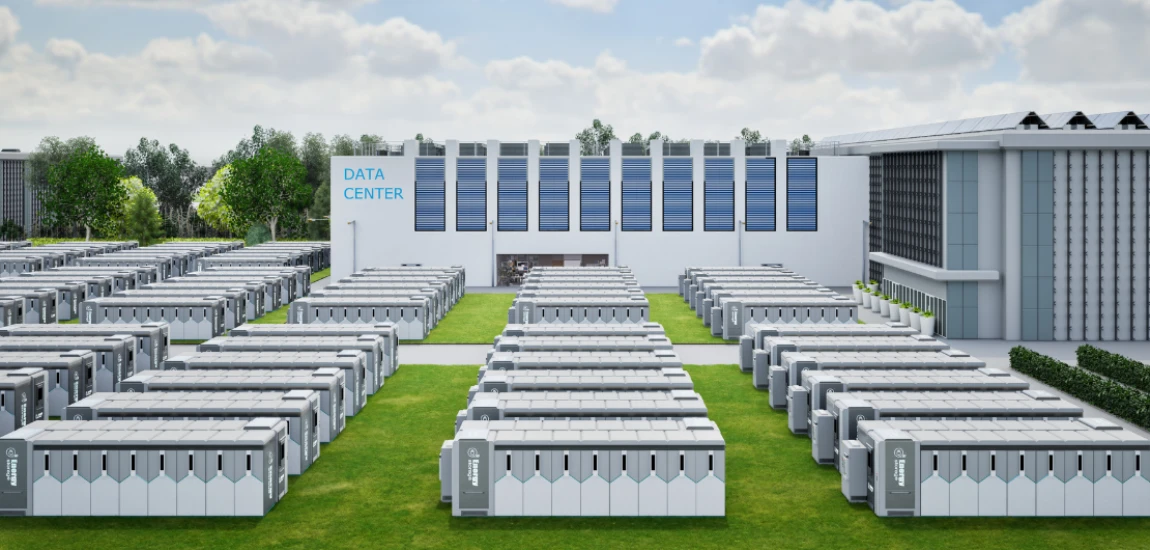
Cities around the world are expanding rapidly, creating new challenges related to transportation, energy consumption, public safety, environmental sustainability, and infrastructure management. Traditional urban systems often struggle to handle increasing population demands, rising pollution levels, traffic congestion, and resource limitations. As a result, governments and urban planners are adopting advanced technologies to create smarter, more adaptive, and sustainable cities.
Cognitive smart city intelligence systems and adaptive urban infrastructure management architectures are emerging as transformative solutions for modern urban development. These systems combine artificial intelligence, machine learning, Internet of Things (IoT) devices, cloud computing, edge analytics, and real-time data monitoring to optimize city operations and improve urban living conditions.
Unlike conventional urban management approaches, cognitive smart city systems continuously learn from environmental data, citizen behavior, and infrastructure performance. They can automatically optimize transportation systems, energy distribution networks, waste management processes, emergency services, and public utilities in real time.
Adaptive urban infrastructure management frameworks enable cities to respond intelligently to changing environmental conditions, population growth, and operational demands. From smart traffic control and intelligent water management to predictive maintenance and AI-powered public safety systems, these technologies are redefining the future of urban living.
In this blog, we will explore the foundations, technologies, benefits, applications, challenges, and future potential of cognitive smart city intelligence systems while understanding how adaptive infrastructure architectures are creating more connected, efficient, and resilient urban environments.
Understanding Cognitive Smart City Intelligence Systems

The Evolution of Smart Urban Technologies
Smart city technologies have evolved significantly over the past decade. Early smart city initiatives focused mainly on digitizing public services and improving internet connectivity. Today, cognitive smart city intelligence systems go far beyond basic digital infrastructure by integrating AI-driven decision-making and autonomous operational capabilities.
Cognitive systems use advanced algorithms to analyze massive volumes of urban data collected from sensors, cameras, transportation systems, utility networks, and public service platforms. These systems can identify patterns, predict operational challenges, and optimize infrastructure performance automatically.
Modern cognitive smart cities rely heavily on interconnected technologies such as IoT devices, cloud computing platforms, and intelligent communication networks. Together, these components create a highly responsive urban ecosystem capable of adapting to real-time environmental and social changes.
As urban populations continue growing worldwide, intelligent city management technologies are becoming essential for maintaining sustainability, operational efficiency, and quality of life.
Artificial Intelligence and Urban Decision-Making
Artificial intelligence serves as the core intelligence layer of modern smart city architectures. AI systems process real-time urban data and generate actionable insights that help city administrators make faster and more accurate decisions.
Machine learning algorithms can predict traffic congestion, optimize energy usage, detect infrastructure failures, and monitor environmental conditions continuously. AI-powered systems also improve emergency response coordination, healthcare management, and public transportation scheduling.
Unlike traditional urban systems that rely on static operational rules, cognitive smart city frameworks continuously adapt and improve through data-driven learning processes. This adaptive intelligence enables cities to respond more effectively to evolving urban challenges.
AI-driven urban management significantly enhances operational efficiency while reducing costs and improving public service delivery.
IoT Networks and Real-Time Urban Monitoring
Internet of Things technology plays a critical role in cognitive smart city systems. IoT devices such as environmental sensors, smart cameras, connected streetlights, and intelligent utility meters collect real-time data across urban environments.
These connected systems monitor traffic patterns, air quality, energy consumption, water distribution, waste levels, and public safety conditions continuously. Real-time monitoring enables city authorities to identify problems quickly and implement immediate corrective actions.
Edge computing technologies further enhance responsiveness by processing data closer to the source instead of relying entirely on centralized cloud systems. This reduces latency and improves operational speed for critical urban applications.
The integration of IoT with cognitive intelligence creates highly adaptive urban ecosystems capable of improving infrastructure efficiency and citizen experiences simultaneously.
Adaptive Urban Infrastructure Management Architectures

Intelligent Infrastructure Design
Adaptive urban infrastructure management architectures are designed to optimize city operations through automation, predictive analytics, and real-time responsiveness. These systems integrate transportation networks, energy grids, water systems, communication platforms, and public utilities into a unified digital ecosystem.
Intelligent infrastructure frameworks continuously monitor operational conditions and automatically adjust system performance to improve efficiency and sustainability. For example, smart energy grids can balance electricity demand dynamically while intelligent transportation systems optimize traffic flow during peak hours.
Advanced infrastructure architectures also support predictive maintenance capabilities. AI systems can detect early signs of equipment failure and schedule repairs proactively before serious disruptions occur.
This adaptive approach significantly reduces operational downtime, maintenance costs, and infrastructure inefficiencies across urban environments.
Cloud Computing and Edge Analytics
Cloud computing provides the data processing power required for managing massive volumes of smart city information. Centralized cloud platforms store, analyze, and distribute urban data collected from millions of connected devices.
However, real-time urban management often requires faster processing speeds than centralized cloud systems alone can provide. Edge analytics addresses this challenge by enabling local devices and infrastructure nodes to process critical data instantly.
For example, autonomous traffic management systems can analyze road congestion and adjust traffic signals in real time without waiting for cloud-based processing. Similarly, emergency response systems can prioritize critical alerts immediately through edge-enabled intelligence.
The combination of cloud computing and edge analytics creates scalable and highly responsive infrastructure management architectures.
Data Integration and Interoperability
Modern cities rely on multiple independent systems for transportation, healthcare, utilities, law enforcement, and environmental monitoring. Adaptive urban management architectures integrate these systems into a unified operational framework.
Interoperability enables different technologies and departments to share data seamlessly, improving coordination and decision-making across city operations. AI-powered integration platforms help eliminate information silos and improve resource utilization.
Unified data ecosystems also enhance transparency and accountability by providing city administrators with comprehensive operational visibility.
Effective data integration is essential for building fully connected and intelligent urban infrastructures capable of supporting future smart city innovations.
Benefits of Cognitive Smart City Intelligence Systems

Improved Urban Efficiency and Sustainability
One of the most important advantages of cognitive smart city systems is improved operational efficiency. Intelligent urban management technologies optimize energy usage, reduce traffic congestion, improve waste management, and enhance public transportation performance.
AI-driven systems can automatically adjust lighting, heating, cooling, and utility distribution based on real-time demand patterns. This reduces resource waste and lowers operational costs for municipalities.
Sustainability initiatives also benefit significantly from cognitive intelligence. Smart environmental monitoring systems help cities reduce pollution, conserve water resources, and improve air quality management.
Efficient infrastructure management supports long-term urban sustainability while improving the overall quality of life for residents.
Enhanced Public Safety and Security
Public safety is a major priority for modern cities, and cognitive intelligence systems provide advanced capabilities for crime prevention, emergency response, and disaster management.
AI-powered surveillance systems analyze video feeds and sensor data to identify suspicious activities, traffic accidents, and public safety risks in real time. Intelligent emergency response networks coordinate police, healthcare providers, and rescue services more efficiently during crises.
Predictive analytics also help law enforcement agencies identify high-risk areas and allocate resources strategically.
These technologies improve urban security while enabling faster emergency response and better disaster preparedness.
Better Citizen Experiences and Quality of Life
Cognitive smart city technologies directly improve daily life for citizens through more efficient services and better urban experiences. Smart transportation systems reduce commuting times, while intelligent healthcare platforms improve access to medical services.
Connected public services enable residents to access government information, utility management tools, and emergency alerts through digital platforms.
AI-powered urban planning systems also help create more livable cities by optimizing green spaces, public transportation routes, and community infrastructure development.
By enhancing convenience, safety, and environmental quality, cognitive smart city systems contribute significantly to improved citizen satisfaction and well-being.
Applications of Adaptive Urban Infrastructure Technologies

Smart Transportation and Traffic Management
Traffic congestion remains one of the biggest challenges in urban environments. Cognitive transportation systems use AI-driven traffic analysis, connected sensors, and predictive modeling to optimize traffic flow and reduce delays.
Intelligent traffic signals adjust dynamically based on vehicle density, road conditions, and pedestrian activity. Smart parking systems help drivers locate available parking spaces quickly, reducing unnecessary traffic congestion.
Public transportation networks also benefit from AI optimization through real-time route planning, predictive maintenance, and passenger demand analysis.
Adaptive transportation technologies improve mobility, reduce fuel consumption, and lower urban emissions significantly.
Intelligent Energy and Utility Management
Smart energy systems enable cities to manage electricity distribution more efficiently while supporting renewable energy integration. AI-powered smart grids analyze energy demand patterns and optimize power generation and distribution in real time.
Intelligent water management systems monitor water quality, detect leaks, and optimize consumption across urban infrastructure networks. Waste management systems use sensor-equipped bins and automated collection scheduling to improve operational efficiency.
These adaptive utility systems reduce operational costs, minimize resource waste, and support environmental sustainability goals.
As energy demands continue rising, intelligent utility management will become increasingly important for future urban resilience.
Smart Healthcare and Public Services
Healthcare systems in modern cities face growing pressure due to increasing populations and aging demographics. Cognitive healthcare platforms improve patient care through predictive analytics, telemedicine services, and intelligent medical resource management.
AI-powered health monitoring systems can detect disease outbreaks, optimize hospital operations, and support emergency medical response coordination.
Smart public service platforms also improve citizen engagement by enabling digital access to municipal services, infrastructure reporting, and public communication systems.
Integrated healthcare and public service technologies contribute to healthier and more connected urban communities.


Kate McCulley, the voice behind "Adventurous Kate," provides travel advice tailored for women. Her blog encourages safe and adventurous travel for female readers.
Kate McCulley

Prev Post

Next Post