
AI-Enhanced Virtual Reality Systems and Immersive Human Interaction Architectures
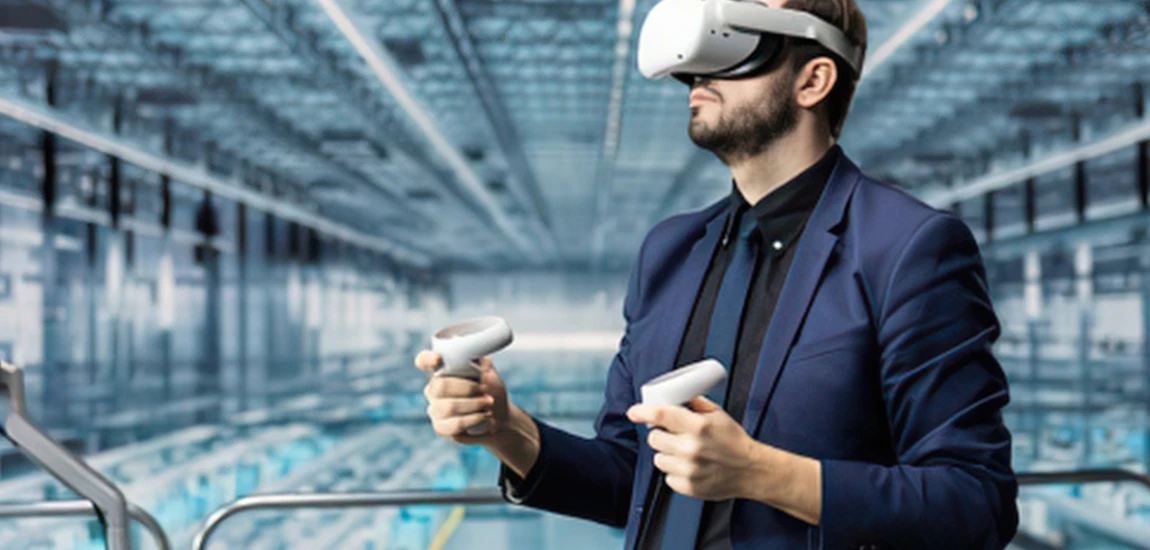
The rapid evolution of artificial intelligence, virtual reality, augmented reality, and spatial computing technologies is redefining how humans interact with digital environments. Traditional virtual reality systems were primarily focused on visual immersion, but modern AI-enhanced virtual reality systems go far beyond simple simulation. They create intelligent, adaptive, and responsive environments that can understand user behavior, respond in real time, and deliver highly personalized immersive experiences.
Immersive human interaction architectures combine AI algorithms, motion tracking systems, neural interfaces, and real-time rendering engines to create deeply engaging digital ecosystems. These systems are transforming industries such as gaming, education, healthcare, architecture, military training, entertainment, and remote collaboration.
AI-powered VR systems can now simulate realistic environments, generate dynamic narratives, and adapt interactions based on user emotions, gestures, and decision-making patterns. This level of intelligence allows virtual environments to feel more natural, intuitive, and human-like than ever before.
As digital transformation accelerates, AI-enhanced virtual reality systems are becoming essential for building the next generation of immersive human-computer interaction experiences that blend physical and digital realities seamlessly.
Understanding AI-Enhanced Virtual Reality Systems

AI-enhanced virtual reality systems combine artificial intelligence, immersive rendering technologies, and interactive computing frameworks to create intelligent virtual environments that respond dynamically to user behavior.
Artificial Intelligence in Virtual Reality Environments
Artificial intelligence plays a central role in modern VR systems by enabling environments to respond intelligently to user actions, movements, and preferences. AI algorithms analyze real-time user interactions, including gestures, voice commands, eye movements, and spatial positioning.
Machine learning models continuously adapt VR environments based on user behavior patterns, making virtual experiences more personalized and engaging. AI-driven systems can modify lighting, environment structure, sound effects, and object interactions dynamically to enhance immersion.
These intelligent systems also support procedural content generation, allowing virtual worlds to evolve automatically without manual design input.
Spatial Computing and Environmental Mapping
Spatial computing enables VR systems to understand and interact with physical spaces in real time. Sensors, cameras, and depth-mapping technologies allow virtual environments to align seamlessly with real-world surroundings.
This technology is essential for mixed reality experiences where digital objects interact naturally with physical environments. AI enhances spatial computing by improving object recognition, environment mapping accuracy, and real-time spatial adjustments.
Spatial intelligence enables applications such as virtual training simulations, architectural visualization, and immersive educational environments.
Intelligent Rendering and Real-Time Simulation
Modern VR systems rely on advanced rendering engines powered by AI to generate realistic visuals and interactive simulations.
AI-driven rendering optimizes graphics performance by adjusting resolution, lighting, and texture quality based on system capabilities and user focus. This ensures smooth performance without compromising visual quality.
Real-time simulation engines create responsive environments where objects react dynamically to user actions, environmental changes, and physics-based interactions.
Immersive Human Interaction Architectures

Immersive human interaction architectures define how users engage with virtual environments through sensory input, behavioral tracking, and AI-driven response systems.
Human-Computer Interaction in Virtual Reality
Human-computer interaction (HCI) in VR environments focuses on creating natural and intuitive ways for users to interact with digital systems.
AI-enhanced VR systems support gesture recognition, voice commands, eye tracking, and motion sensing to create seamless interaction experiences. These systems eliminate the need for traditional input devices, making interactions more immersive and intuitive.
Advanced HCI systems also adapt interfaces based on user behavior and accessibility requirements, improving usability across diverse user groups.
Emotional and Behavioral Recognition Systems
Modern VR architectures use AI to analyze user emotions and behavioral patterns during immersive experiences.
Facial recognition, voice tone analysis, and physiological sensors help VR systems understand user emotional states such as excitement, stress, or engagement. Based on this data, virtual environments can adjust scenarios to enhance user comfort and immersion.
Emotional intelligence in VR is particularly valuable for mental health therapy, education, and interactive storytelling applications.
Adaptive Interaction Models
Adaptive interaction systems continuously modify virtual experiences based on user decisions and engagement levels.
If a user struggles with a task or shows disengagement, AI systems can adjust difficulty levels, provide guidance, or alter narrative paths to improve experience quality. This adaptability makes VR environments more inclusive and engaging.
Adaptive systems ensure that users of different skill levels and backgrounds can enjoy personalized immersive experiences.
Applications of AI-Enhanced Virtual Reality Systems

AI-powered VR technologies are transforming multiple industries by enabling immersive training, simulation, communication, and entertainment experiences.
Gaming and Interactive Entertainment
The gaming industry is one of the largest adopters of AI-enhanced VR systems. Intelligent virtual environments create highly interactive and adaptive gameplay experiences that respond dynamically to player actions.
AI-powered characters and non-player entities (NPCs) exhibit realistic behaviors, emotions, and decision-making abilities. This makes virtual worlds more immersive and engaging.
Procedural storytelling and adaptive game design allow players to experience unique narratives based on their choices and interactions.
Education and Virtual Learning Environments
AI-enhanced VR systems are revolutionizing education by creating immersive learning environments that simulate real-world scenarios.
Students can explore historical events, conduct scientific experiments, or interact with complex systems in a controlled virtual space. AI-driven tutoring systems provide personalized learning guidance based on student performance.
Immersive education improves knowledge retention, engagement, and experiential learning outcomes.
Healthcare and Therapy Applications
Virtual reality is increasingly used in healthcare for training, rehabilitation, and mental health therapy.
Medical professionals use VR simulations for surgical training and procedural practice in risk-free environments. AI systems enhance these simulations by adapting scenarios based on user skill levels.
VR therapy applications help patients manage anxiety, PTSD, phobias, and stress through controlled immersive experiences guided by intelligent systems.
Benefits of AI-Driven Virtual Reality Systems

AI-enhanced VR systems provide numerous technological, educational, and operational benefits across industries.
Enhanced Immersion and User Engagement
AI-powered VR environments create highly realistic and interactive experiences that significantly increase user immersion.
Adaptive environments respond intelligently to user behavior, making virtual experiences feel more natural and engaging. This enhances satisfaction in gaming, training, and educational applications.
Improved immersion leads to better learning outcomes and more effective training simulations.
Personalized Digital Experiences
Artificial intelligence enables VR systems to deliver personalized experiences tailored to individual users.
By analyzing behavior, preferences, and interaction patterns, AI systems customize environments, difficulty levels, and narrative structures for each user.
Personalization improves user satisfaction and ensures more meaningful engagement across applications.
Improved Training and Simulation Accuracy
AI-enhanced VR systems provide highly accurate simulations for professional training and skill development.
Industries such as aviation, healthcare, military, and engineering benefit from realistic virtual training environments that reduce risk and improve performance outcomes.
Simulation accuracy improves decision-making skills and prepares users for real-world scenarios more effectively.


Gary Arndt operates "Everything Everywhere," a blog focusing on worldwide travel. An award-winning photographer, Gary shares stunning visuals alongside his travel tales.
Gary Arndt

Prev Post

Next Post