
Intelligent Climate Engineering Systems and Sustainable Environmental Control Frameworks
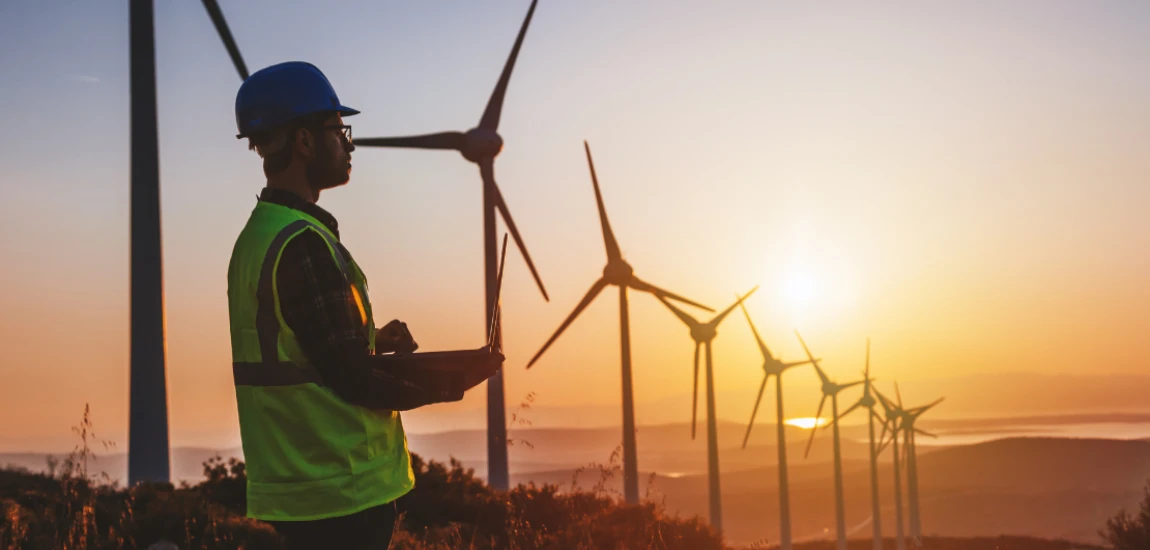
Climate change has become one of the most significant global challenges of the modern era. Rising temperatures, extreme weather events, environmental degradation, and increasing carbon emissions are placing enormous pressure on ecosystems, economies, and human societies worldwide. Traditional environmental management methods often struggle to address the complexity and scale of these challenges effectively. As a result, intelligent climate engineering systems and sustainable environmental control frameworks are emerging as critical solutions for building a more sustainable future.
Modern climate engineering technologies integrate artificial intelligence, predictive analytics, environmental sensors, renewable energy systems, and smart automation platforms to monitor and manage environmental conditions in real time. These intelligent systems enable governments, industries, and environmental organizations to make data-driven decisions that improve sustainability and reduce ecological damage.
Sustainable environmental control frameworks focus on balancing industrial development, energy consumption, and environmental preservation through advanced technological solutions. AI-driven climate systems can predict weather patterns, optimize energy usage, monitor pollution levels, and support carbon reduction initiatives more efficiently than traditional environmental management approaches.
From smart cities and renewable energy grids to carbon capture technologies and intelligent agricultural systems, climate engineering innovation is reshaping how humanity responds to environmental challenges. As environmental risks continue increasing globally, intelligent climate control systems are becoming essential for long-term sustainability and ecological resilience.
Understanding Intelligent Climate Engineering Systems

Intelligent climate engineering systems combine advanced technologies such as artificial intelligence, machine learning, environmental analytics, and automated monitoring systems to improve environmental management and climate response strategies.
Artificial Intelligence in Climate Management
Artificial intelligence plays a major role in modern climate engineering by processing enormous volumes of environmental data rapidly and accurately. AI systems analyze weather conditions, atmospheric changes, energy consumption patterns, and carbon emission data to identify environmental risks and optimize sustainability strategies.
Machine learning algorithms continuously improve climate prediction models by learning from historical environmental data and real-time sensor information. These intelligent systems can forecast extreme weather events, monitor air quality, and detect ecological disruptions before they escalate into severe environmental crises.
Governments and research organizations use AI-powered climate systems to support policy development, disaster preparedness, and environmental planning. Intelligent climate analytics improve decision-making and help organizations respond proactively to environmental challenges.
Smart Environmental Monitoring Technologies
Modern climate engineering systems rely heavily on interconnected environmental monitoring technologies. Smart sensors, satellite systems, IoT devices, and remote monitoring platforms continuously collect environmental information from land, oceans, and atmospheric systems.
These technologies measure temperature, humidity, greenhouse gas concentrations, pollution levels, soil conditions, and renewable energy performance in real time. AI-powered platforms analyze this data to identify environmental trends and recommend corrective actions.
Continuous monitoring improves environmental transparency and enables faster responses to climate-related threats such as wildfires, floods, and industrial pollution incidents.
Sustainable Engineering and Automation
Sustainable engineering frameworks integrate intelligent automation into environmental management systems. Automated climate control technologies optimize energy consumption, water usage, waste management, and industrial emissions through real-time operational adjustments.
Smart automation improves environmental efficiency while reducing human error and operational waste. Industries can use intelligent control systems to minimize resource consumption and achieve sustainability goals more effectively.
Automation also supports renewable energy integration, allowing climate engineering systems to balance energy production and environmental protection simultaneously.
Sustainable Environmental Control Frameworks

Sustainable environmental control frameworks are structured systems designed to maintain ecological balance through intelligent environmental management and resource optimization.
Renewable Energy Management Systems
Renewable energy technologies are essential components of sustainable climate engineering frameworks. Solar power, wind energy, hydroelectric systems, and geothermal technologies reduce dependence on fossil fuels and lower greenhouse gas emissions.
AI-driven renewable energy management systems optimize energy generation, storage, and distribution based on weather forecasts and consumption patterns. Intelligent grids automatically balance energy demand and renewable power availability to improve operational efficiency.
Smart renewable energy systems also reduce energy waste and support large-scale adoption of sustainable electricity infrastructure.
Carbon Capture and Emission Reduction
Reducing atmospheric carbon emissions is one of the primary objectives of climate engineering systems. Advanced carbon capture technologies remove carbon dioxide from industrial processes and the atmosphere to minimize climate impact.
AI-powered environmental analytics help industries monitor emission levels, identify inefficiencies, and optimize carbon reduction strategies. Predictive models also support long-term climate planning and sustainable industrial operations.
Carbon management frameworks play a major role in helping countries and businesses achieve net-zero emission targets and international climate commitments.
Water and Resource Sustainability
Climate engineering frameworks also focus on sustainable management of water resources, agriculture, and natural ecosystems. Intelligent irrigation systems use AI analytics and environmental sensors to optimize water usage in agriculture.
Smart water management technologies monitor reservoirs, pipelines, and groundwater systems to reduce waste and improve resource efficiency. Environmental analytics platforms also help governments address drought risks and water scarcity challenges.
Sustainable resource management improves ecological resilience while supporting growing global populations and industrial development.
Applications of Intelligent Climate Engineering Systems

AI-powered environmental systems are transforming multiple industries and sectors through intelligent sustainability solutions and climate optimization technologies.
Smart Cities and Urban Sustainability
Urban areas face increasing environmental pressures due to population growth, transportation emissions, and energy consumption. Smart city technologies use intelligent climate systems to improve urban sustainability and environmental efficiency.
AI-powered traffic management systems reduce fuel consumption and air pollution by optimizing transportation flow. Smart buildings automatically regulate heating, cooling, and lighting systems to minimize energy waste.
Environmental monitoring networks also track air quality, noise pollution, and waste management performance in real time. These technologies help cities create healthier and more sustainable living environments.
Agriculture and Food Security
Agriculture is highly vulnerable to climate change and environmental instability. Intelligent climate engineering systems improve agricultural productivity through precision farming technologies and predictive environmental analytics.
AI-powered farming systems analyze weather patterns, soil conditions, and crop health data to optimize planting schedules and irrigation strategies. Automated agricultural technologies reduce water consumption and improve food production efficiency.
Climate-resilient agricultural systems are essential for ensuring long-term food security and sustainable farming practices.
Industrial Environmental Management
Industries are increasingly adopting intelligent environmental control frameworks to reduce operational emissions and improve sustainability performance.
AI-driven environmental monitoring systems track industrial pollution, energy consumption, and waste generation continuously. Automated optimization technologies help organizations improve resource efficiency and minimize environmental impact.
Sustainable industrial operations also support regulatory compliance and strengthen corporate environmental responsibility initiatives.
Benefits of AI-Driven Climate Engineering Technologies

Intelligent climate engineering systems provide numerous environmental, economic, and operational advantages for governments, industries, and communities.
Improved Climate Prediction and Disaster Prevention
AI-powered environmental analytics significantly improve climate forecasting and disaster preparedness capabilities. Predictive climate models identify risks related to hurricanes, floods, wildfires, droughts, and severe weather conditions.
Governments and emergency response agencies use these insights to implement preventive measures and improve public safety. Early warning systems reduce disaster-related damage and support faster emergency response coordination.
Improved climate intelligence also enhances long-term environmental planning and infrastructure resilience.
Enhanced Energy Efficiency and Sustainability
Smart environmental control systems optimize energy consumption across buildings, transportation networks, and industrial operations. AI algorithms identify inefficiencies and recommend operational improvements automatically.
Renewable energy integration reduces carbon emissions while supporting sustainable economic development. Intelligent climate technologies also help organizations lower operational costs through improved resource management.
Energy-efficient systems contribute significantly to global sustainability goals and climate change mitigation efforts.
Better Environmental Conservation
Environmental monitoring frameworks support biodiversity protection, pollution control, and ecosystem preservation. AI-driven analytics help researchers track wildlife populations, deforestation activities, and ecological changes in real time.
Governments and conservation organizations use intelligent environmental systems to protect natural habitats and reduce ecological degradation. Sustainable environmental management improves ecosystem stability and supports long-term biodiversity conservation.
These technologies strengthen global efforts to preserve environmental health and ecological balance.


Gary Arndt operates "Everything Everywhere," a blog focusing on worldwide travel. An award-winning photographer, Gary shares stunning visuals alongside his travel tales.
Gary Arndt

Prev Post
Next Post