
Self-Learning Robotics Intelligence Systems and Adaptive Human–Machine Interaction Frameworks
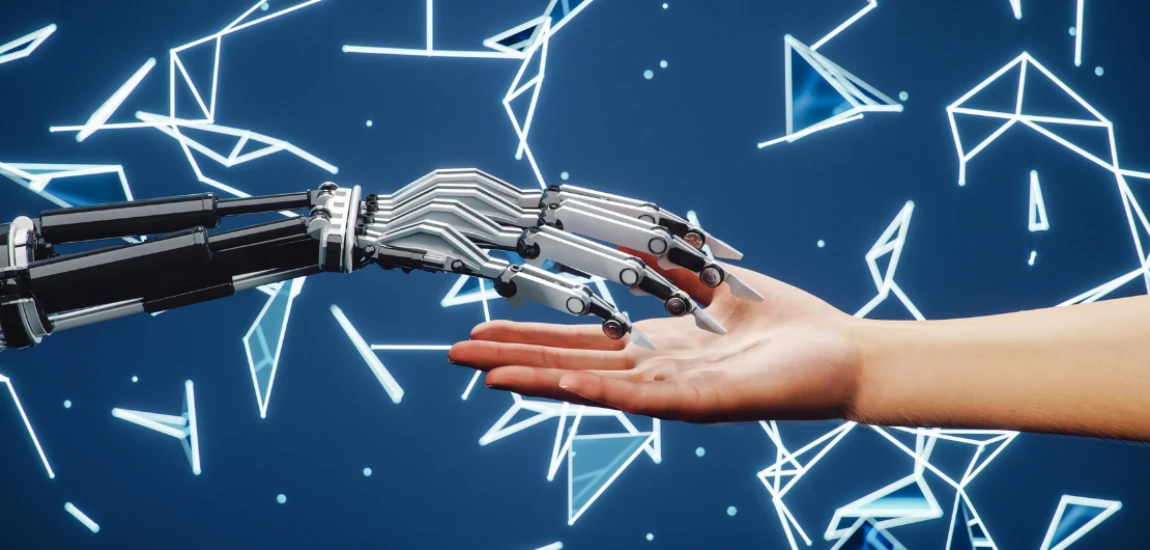
The rapid advancement of artificial intelligence, machine learning, and robotics technologies is transforming how humans interact with intelligent machines across industries and daily life. Traditional robotic systems were primarily programmed to perform repetitive and predefined tasks with limited adaptability, making them less effective in dynamic and unpredictable environments. However, the emergence of self-learning robotics intelligence systems and adaptive human–machine interaction frameworks is redefining modern automation by enabling robots to learn from experience, adapt to changing situations, and collaborate more naturally with humans. These advanced robotic systems integrate AI algorithms, neural networks, computer vision, natural language processing, sensor fusion, and real-time analytics to improve autonomous learning and interactive capabilities continuously. Unlike conventional robots, self-learning systems can analyze environmental data, optimize behaviors, recognize human emotions, and make intelligent decisions without constant reprogramming. Adaptive human–machine interaction frameworks further enhance collaboration by creating safer, more intuitive, and highly responsive communication channels between humans and intelligent machines. As industries increasingly adopt robotics for manufacturing, healthcare, logistics, education, and customer service, self-learning robotics intelligence systems are becoming a critical foundation for the future of intelligent automation and collaborative digital ecosystems.
Understanding Self-Learning Robotics Intelligence Systems

Evolution of Intelligent Robotics
Robotics technology has evolved significantly from simple mechanical machines designed for repetitive industrial tasks to highly advanced intelligent systems capable of autonomous learning and decision-making. Early robots depended heavily on fixed programming and operated effectively only in controlled environments with predictable conditions.
As artificial intelligence and machine learning technologies advanced, researchers began developing robots capable of adapting to environmental changes and learning from operational experiences. This shift introduced the concept of self-learning robotics intelligence systems, where robots continuously improve performance through data analysis and behavioral optimization.
Modern intelligent robots combine AI-driven algorithms, advanced sensors, computer vision systems, and neural networks to process information similarly to human cognitive systems. These technologies allow robots to recognize objects, understand speech, interpret gestures, and interact more naturally with humans.
Today, self-learning robotic systems are used across industries ranging from healthcare and manufacturing to defense and smart home automation, demonstrating remarkable flexibility and adaptability in real-world environments.
Core Components of Robotics Intelligence Systems
Self-learning robotics systems rely on multiple interconnected technologies that work together to enable intelligent behavior and adaptive learning. Artificial intelligence serves as the decision-making engine responsible for analyzing data, identifying patterns, and optimizing robotic actions.
Machine learning algorithms allow robots to learn from historical experiences and improve task execution over time. Computer vision systems powered by deep learning enable robots to interpret visual information and navigate complex environments autonomously.
Sensor fusion technologies combine data from cameras, lidar, infrared sensors, microphones, and tactile sensors to create comprehensive environmental awareness. Natural language processing frameworks further improve communication between robots and humans through speech recognition and conversational interaction.
Cloud computing and edge AI infrastructures support real-time data processing and distributed robotic intelligence, enabling robots to operate efficiently even in large-scale connected ecosystems.
Advantages Over Traditional Robotics
Self-learning robotics intelligence systems offer several major advantages compared to conventional robotic technologies. One of the most important benefits is adaptability. Intelligent robots can adjust behaviors dynamically based on environmental changes without requiring manual reprogramming.
These systems also improve operational efficiency by learning optimal workflows and reducing errors through continuous experience-based optimization. Enhanced autonomy allows robots to operate independently in complex and unpredictable environments.
Self-learning robots support safer and more effective human collaboration through intelligent interaction frameworks that recognize human intentions, emotions, and movement patterns. Their ability to process data in real time further improves responsiveness and decision-making accuracy.
Such capabilities make intelligent robotics systems essential for modern industries seeking flexible, scalable, and highly efficient automation solutions.
Adaptive Human–Machine Interaction Frameworks

Evolution of Human–Robot Collaboration
Human–machine interaction has evolved dramatically as robotics systems become more intelligent and capable of working alongside people safely and efficiently. Earlier industrial robots operated in isolated environments because they lacked the awareness necessary for direct human collaboration.
Modern adaptive interaction frameworks now allow humans and robots to share workspaces and cooperate in real time. AI-powered collaborative robots, often called cobots, are designed to understand human actions, respond to verbal instructions, and adapt to changing work conditions dynamically.
These frameworks prioritize safety, communication, and operational efficiency while reducing physical and cognitive strain on human workers. Advanced interaction systems also improve user trust and acceptance of robotics technologies in everyday environments.
As collaborative robotics continues expanding, adaptive interaction frameworks are becoming critical for future intelligent workplaces and smart living environments.
Natural Language and Gesture Recognition
Natural communication is essential for effective human–robot collaboration. Self-learning robotic systems increasingly use natural language processing and gesture recognition technologies to understand human intentions more accurately.
AI-powered speech recognition systems enable robots to interpret voice commands, answer questions, and engage in conversational interaction. Gesture recognition technologies further allow robots to understand hand signals, body movements, and facial expressions.
Machine learning algorithms continuously improve recognition accuracy by learning from repeated interactions and environmental variations. This adaptive capability creates more intuitive and user-friendly communication experiences.
Natural interaction technologies are especially valuable in healthcare, education, customer service, and assistive robotics applications where seamless communication is essential.
Emotional Intelligence in Robotics
Emotional intelligence is emerging as an important component of adaptive human–machine interaction frameworks. Advanced AI systems can analyze facial expressions, vocal tones, and behavioral patterns to recognize emotional states.
Emotion-aware robots can adjust communication styles, responses, and behaviors based on user emotions and social context. Such capabilities improve engagement, empathy, and trust during human–robot interactions.
In healthcare and elderly care environments, emotionally intelligent robots provide companionship, emotional support, and personalized assistance to patients and vulnerable populations.
The integration of emotional AI into robotics systems is expected to significantly enhance future social and service-oriented robotic applications.
Artificial Intelligence and Autonomous Learning in Robotics

Machine Learning and Neural Networks
Machine learning technologies are at the core of self-learning robotics intelligence systems. These algorithms allow robots to analyze operational data, identify patterns, and improve performance through continuous learning processes.
Neural networks simulate aspects of human brain functionality by processing information across interconnected computational layers. Deep learning models enable robots to recognize images, understand speech, and make decisions with remarkable accuracy.
Reinforcement learning further enhances robotic intelligence by allowing robots to learn optimal behaviors through trial-and-error experiences. This approach is especially useful for autonomous navigation, robotic manipulation, and adaptive problem-solving tasks.
As AI algorithms continue improving, robots are becoming increasingly capable of handling complex tasks independently.
Real-Time Decision-Making Systems
Modern intelligent robots operate in dynamic environments where rapid decision-making is essential. AI-powered robotics systems continuously process sensor data and environmental information to make intelligent operational decisions instantly.
Real-time decision-making frameworks help robots avoid obstacles, coordinate movements, and respond effectively to changing conditions. Edge computing technologies support low-latency processing, enabling faster autonomous reactions without relying heavily on centralized cloud systems.
These capabilities are particularly important in autonomous vehicles, industrial automation, surgical robotics, and emergency response systems where delays could lead to operational failures or safety risks.
Predictive Learning and Behavioral Adaptation
Predictive learning technologies enable robots to anticipate future events and optimize behaviors proactively. AI systems analyze historical operational data and environmental patterns to forecast potential challenges and opportunities.
Behavioral adaptation frameworks allow robots to modify movement patterns, communication methods, and operational strategies based on user preferences and situational requirements.
Adaptive intelligence improves efficiency, reduces errors, and enhances long-term operational performance across various applications.
Predictive robotics technologies are increasingly valuable for logistics, manufacturing, healthcare, and autonomous exploration systems.
Applications of Self-Learning Robotics Systems

Industrial Automation and Smart Manufacturing
Manufacturing industries are among the largest adopters of intelligent robotics systems. Self-learning robots improve productivity by automating repetitive tasks, optimizing production workflows, and reducing operational downtime.
AI-powered robotic systems can perform assembly, welding, packaging, inspection, and material handling tasks with exceptional precision and consistency. Predictive maintenance frameworks further improve equipment reliability by identifying potential failures before breakdowns occur.
Collaborative robots also enable safer and more efficient human–machine cooperation within smart factories.
Healthcare and Medical Robotics
Healthcare robotics is advancing rapidly through the integration of AI-driven learning systems and adaptive interaction technologies. Surgical robots assist doctors during complex procedures by providing enhanced precision and control.
Rehabilitation robots support physical therapy programs by adapting exercises to patient progress and recovery conditions. AI-powered medical assistants also help monitor patient health and provide personalized care recommendations.
Elderly care robots offer companionship, medication reminders, and mobility assistance for aging populations. Such intelligent healthcare systems improve patient outcomes while reducing healthcare workload pressures.
Autonomous Transportation and Logistics
Self-learning robotics systems are transforming transportation and logistics industries through autonomous vehicles, drones, and intelligent warehouse automation technologies.
AI-powered delivery robots and autonomous drones optimize supply chain operations by improving delivery speed and reducing operational costs. Warehouse robots manage inventory, transport goods, and coordinate logistics workflows efficiently.
Autonomous transportation systems also improve road safety and fuel efficiency through real-time navigation optimization and predictive driving analytics.


Gary Arndt operates "Everything Everywhere," a blog focusing on worldwide travel. An award-winning photographer, Gary shares stunning visuals alongside his travel tales.
Gary Arndt
Prev Post

Next Post