
AI-Powered Digital Healthcare Systems and Real-Time Patient Monitoring Architectures
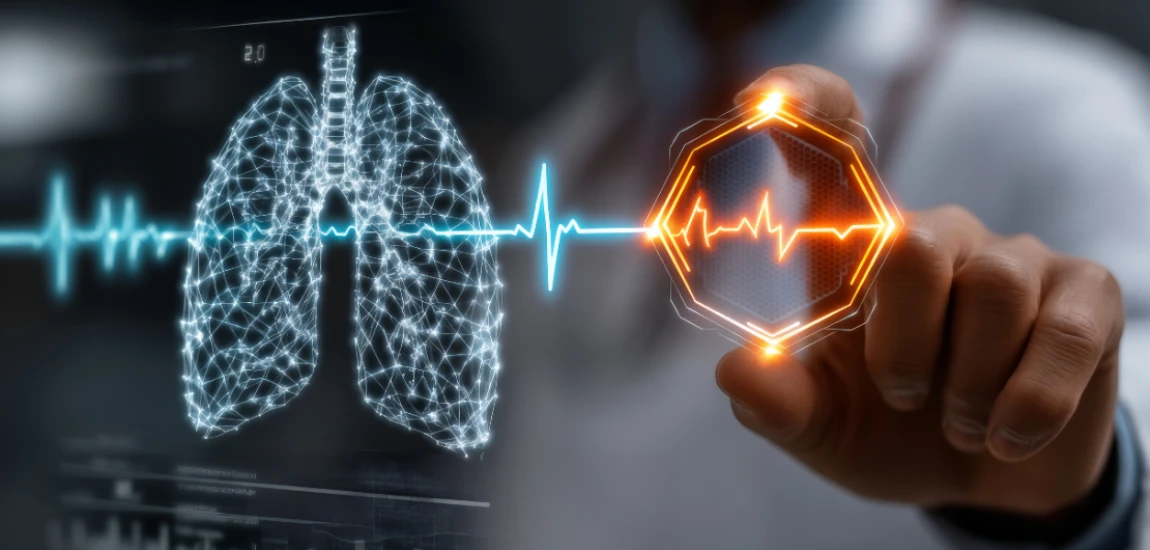
The healthcare industry is experiencing a major technological transformation driven by artificial intelligence, cloud computing, wearable devices, and smart medical analytics. Traditional healthcare systems often struggle with rising patient demands, delayed diagnoses, fragmented medical records, and limited real-time monitoring capabilities. AI-powered digital healthcare systems are emerging as innovative solutions that improve medical efficiency, patient outcomes, and healthcare accessibility.
Modern healthcare technologies combine artificial intelligence, machine learning, predictive analytics, Internet of Things devices, and cloud-based infrastructures to create intelligent patient monitoring ecosystems. These systems continuously collect and analyze patient health data in real time, enabling healthcare professionals to make faster and more accurate clinical decisions.
Real-time patient monitoring architectures support proactive healthcare by identifying early warning signs, detecting medical abnormalities, and enabling remote healthcare management. Hospitals, clinics, research institutions, and telemedicine providers are increasingly adopting AI-powered healthcare technologies to reduce operational costs, enhance patient safety, and improve treatment quality.
From wearable health trackers and intelligent diagnostic systems to automated clinical workflows and predictive healthcare analytics, AI-driven healthcare innovation is reshaping the future of medicine. As digital healthcare ecosystems continue evolving, intelligent patient monitoring systems are becoming essential for delivering efficient, personalized, and data-driven healthcare services.
Understanding AI-Powered Digital Healthcare Systems

AI-powered digital healthcare systems integrate artificial intelligence, smart analytics, connected devices, and cloud technologies to improve healthcare delivery and patient management.
Artificial Intelligence in Modern Healthcare
Artificial intelligence enables healthcare systems to analyze massive volumes of medical data rapidly and accurately. AI algorithms process patient records, diagnostic images, laboratory reports, and treatment histories to identify health risks and support clinical decision-making.
Machine learning technologies continuously improve healthcare accuracy by learning from historical patient data and medical outcomes. AI-driven systems assist doctors in diagnosing diseases, recommending treatments, and predicting potential complications before they become severe.
Healthcare providers use AI to automate administrative processes, optimize hospital operations, and improve resource allocation. Intelligent automation reduces manual workload and allows medical professionals to focus more on patient care and treatment planning.
Digital Transformation of Healthcare Infrastructure
Digital healthcare systems replace traditional paper-based workflows with interconnected digital platforms that improve information sharing and operational efficiency.
Electronic health records, cloud-based healthcare platforms, and AI-powered analytics tools enable seamless communication between healthcare providers, laboratories, pharmacies, and insurance systems. This integration improves care coordination and reduces medical errors caused by fragmented information.
Digital transformation also supports telemedicine services, allowing patients to access healthcare remotely through virtual consultations and mobile healthcare applications.
Smart Healthcare Data Management
Modern healthcare systems generate enormous amounts of patient data daily. AI-powered healthcare infrastructures organize, analyze, and secure this information efficiently.
Advanced healthcare analytics frameworks process structured and unstructured medical data to identify trends, predict disease outbreaks, and improve treatment effectiveness. Intelligent data management systems also ensure faster access to patient records during emergencies.
Secure healthcare data management is essential for protecting patient privacy and maintaining regulatory compliance in digital healthcare environments.
Real-Time Patient Monitoring Architectures

Real-time patient monitoring architectures use connected medical devices, intelligent sensors, and AI-driven analytics to continuously monitor patient health conditions.
Wearable Medical Devices and Smart Sensors
Wearable healthcare devices have become essential components of modern patient monitoring systems. Smartwatches, biosensors, heart monitors, glucose trackers, and fitness devices continuously collect vital health data.
These devices monitor heart rate, blood pressure, oxygen saturation, body temperature, sleep patterns, and physical activity in real time. AI systems analyze this data to detect abnormalities and provide early health warnings.
Continuous monitoring helps healthcare providers identify medical risks before they escalate into critical conditions, improving preventive healthcare strategies.
Remote Patient Monitoring Technologies
Remote patient monitoring enables healthcare professionals to supervise patients outside traditional hospital environments. Patients with chronic illnesses, post-surgical conditions, or elderly care needs benefit significantly from remote healthcare systems.
AI-powered monitoring platforms transmit patient data securely to healthcare providers, allowing doctors to assess health conditions remotely and respond quickly to emergencies.
Remote healthcare technologies reduce hospital readmissions, lower healthcare costs, and improve patient convenience while maintaining high-quality medical supervision.
Real-Time Clinical Alert Systems
AI-driven alert systems continuously analyze patient data streams to identify dangerous health conditions and trigger immediate notifications.
If abnormal heart rhythms, respiratory issues, or sudden vital sign changes occur, intelligent monitoring systems alert healthcare professionals instantly. These automated alerts support rapid medical intervention and improve patient survival rates.
Real-time alert systems are especially important in intensive care units, emergency departments, and high-risk patient monitoring environments.
Applications of AI in Digital Healthcare and Patient Monitoring

AI-powered healthcare systems are transforming multiple medical sectors through intelligent automation and predictive healthcare analytics.
Chronic Disease Management
Chronic diseases such as diabetes, cardiovascular disorders, and respiratory illnesses require continuous medical monitoring. AI-driven healthcare platforms help patients manage chronic conditions more effectively through personalized treatment recommendations and real-time monitoring.
Machine learning systems analyze patient behavior, medication adherence, and lifestyle patterns to optimize treatment plans and predict complications. Healthcare providers can intervene early when patient health conditions begin deteriorating.
This proactive healthcare approach improves long-term patient outcomes and reduces hospitalization rates significantly.
AI-Assisted Diagnostics and Medical Imaging
Artificial intelligence is revolutionizing diagnostic accuracy by analyzing medical images and clinical data with remarkable precision.
AI-powered diagnostic systems can identify tumors, fractures, infections, and neurological conditions from X-rays, MRIs, CT scans, and pathology reports. These technologies assist radiologists and healthcare professionals in detecting diseases faster and more accurately.
Early diagnosis supported by AI improves treatment effectiveness and increases survival rates for many serious medical conditions.
Elderly Care and Assisted Living
Aging populations worldwide are increasing demand for intelligent elderly care solutions. AI-powered patient monitoring systems support assisted living environments by monitoring senior health conditions continuously.
Smart healthcare systems detect falls, medication irregularities, and emergency situations automatically. Virtual healthcare assistants also help elderly individuals manage daily healthcare routines independently.
These technologies improve quality of life while reducing caregiver burden and healthcare management costs.
Benefits of AI-Powered Healthcare Monitoring Systems

AI-driven digital healthcare systems provide numerous benefits for patients, healthcare providers, and medical institutions.
Improved Patient Outcomes and Safety
Real-time health monitoring allows healthcare professionals to detect medical issues earlier and provide timely interventions. AI-powered analytics improve diagnostic accuracy and reduce treatment delays.
Continuous patient monitoring also minimizes medical errors and enhances patient safety through automated alerts and intelligent decision support systems.
Patients benefit from more personalized and proactive healthcare experiences tailored to their unique medical conditions.
Enhanced Healthcare Efficiency
Healthcare institutions face increasing pressure to manage growing patient populations while maintaining service quality. AI-driven automation improves operational efficiency by streamlining administrative workflows, appointment scheduling, and clinical documentation.
Intelligent healthcare systems reduce paperwork, optimize hospital resource allocation, and improve coordination between medical departments.
These efficiencies allow healthcare professionals to focus more on patient care and reduce operational bottlenecks within healthcare facilities.
Reduced Healthcare Costs
Preventive healthcare supported by AI monitoring systems helps reduce expensive emergency treatments and hospital readmissions. Early detection of health complications minimizes long-term medical expenses and improves treatment efficiency.
Remote patient monitoring also reduces the need for unnecessary hospital visits and inpatient care. Healthcare organizations benefit from lower operational costs while patients gain more affordable healthcare access.
Cost-effective healthcare technologies are becoming increasingly important for managing rising global healthcare demands.


Known as "Nomadic Matt," Matthew Kepnes offers practical travel advice with a focus on budget backpacking. His blog aims to help people travel cheaper and longer.
Matthew Kepnes
Prev Post
Next Post