
Intelligent Energy Storage Systems and Autonomous Power Distribution Optimization Frameworks
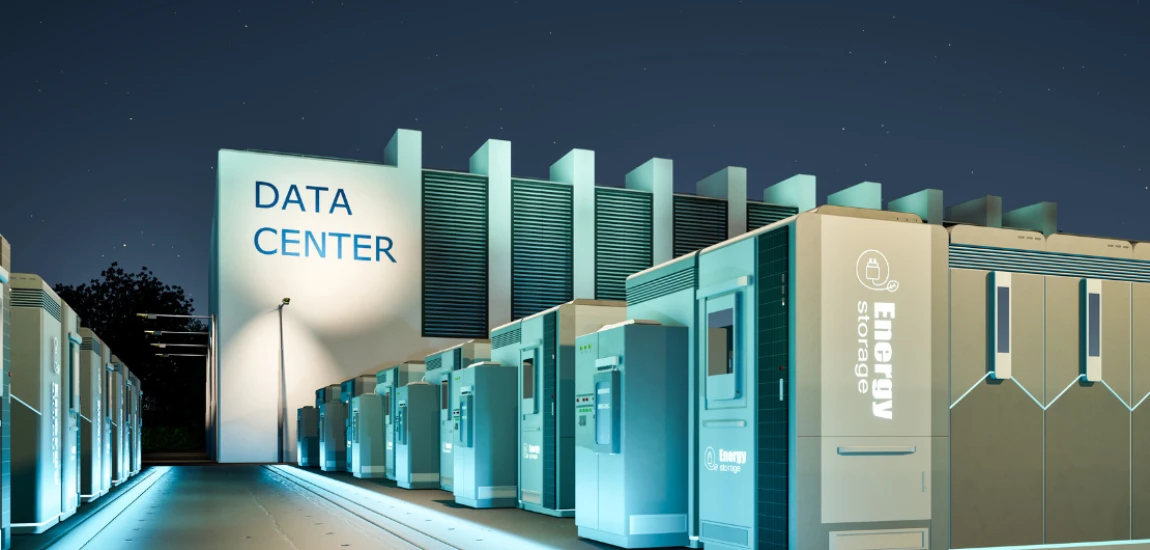
The global energy sector is undergoing a massive transformation driven by renewable energy adoption, digitalization, and increasing electricity demand. Traditional power grids, designed for one-way energy distribution, are struggling to handle fluctuating energy generation, decentralized renewable sources, and dynamic consumption patterns. Intelligent energy storage systems are emerging as a critical solution for stabilizing modern power grids and ensuring efficient energy utilization.
These systems use artificial intelligence, machine learning, IoT sensors, and advanced battery technologies to store, manage, and distribute energy more efficiently. When combined with autonomous power distribution optimization frameworks, they create highly adaptive energy ecosystems capable of balancing supply and demand in real time.
Intelligent energy storage systems are especially important for integrating renewable energy sources such as solar and wind power, which are inherently variable. By storing excess energy during peak production and distributing it during high demand, these systems improve grid reliability and reduce energy waste.
From smart cities and industrial energy management to electric vehicle charging networks and renewable microgrids, intelligent energy storage technologies are reshaping how energy is generated, stored, and consumed globally. As the world moves toward sustainable energy systems, autonomous power optimization frameworks are becoming essential for building resilient and efficient energy infrastructures.
Understanding Intelligent Energy Storage Systems

Intelligent energy storage systems combine advanced battery technologies, artificial intelligence, and real-time monitoring tools to optimize energy storage and usage across modern power grids.
Artificial Intelligence in Energy Management
Artificial intelligence plays a central role in energy storage systems by analyzing consumption patterns, predicting energy demand, and optimizing storage cycles. AI algorithms continuously monitor grid conditions and adjust energy flow based on real-time data.
Machine learning models help forecast electricity usage by analyzing historical consumption patterns, weather conditions, and user behavior. These predictions allow energy systems to store and distribute power more efficiently.
AI-driven energy management systems improve grid stability, reduce energy waste, and enhance overall operational efficiency.
Smart Battery Storage Technologies
Modern energy storage systems rely heavily on advanced battery technologies such as lithium-ion batteries, solid-state batteries, and flow batteries.
Smart battery systems are equipped with sensors and control units that monitor temperature, charge levels, and performance metrics in real time. AI systems optimize charging and discharging cycles to extend battery lifespan and improve efficiency.
These technologies are essential for balancing renewable energy supply and ensuring consistent power availability.
IoT-Enabled Energy Monitoring Systems
The Internet of Things (IoT) plays a vital role in connecting energy storage devices with smart grids and control systems.
IoT sensors collect real-time data on energy production, consumption, voltage levels, and grid stability. This data is transmitted to centralized or decentralized control systems for analysis.
IoT-enabled monitoring improves transparency and enables proactive energy management across distributed networks.
Autonomous Power Distribution Optimization Frameworks

Autonomous power distribution frameworks use AI and automation to dynamically manage electricity flow across complex energy networks.
Real-Time Load Balancing Systems
Load balancing is essential for maintaining stability in power grids. Autonomous systems distribute electricity based on real-time demand and supply conditions.
AI algorithms analyze energy consumption patterns across residential, commercial, and industrial sectors to allocate power efficiently.
This reduces grid overload risks and ensures stable electricity distribution across regions.
Predictive Energy Demand Forecasting
Predictive analytics helps energy systems anticipate future electricity demand based on environmental, economic, and behavioral data.
AI models forecast peak usage times and adjust energy distribution strategies accordingly. This prevents energy shortages and reduces operational inefficiencies.
Accurate demand forecasting improves grid reliability and reduces energy costs.
Decentralized Energy Distribution Networks
Modern energy systems are shifting from centralized grids to decentralized networks that include renewable energy sources and local storage systems.
Decentralized frameworks allow energy to be generated, stored, and consumed locally, reducing transmission losses.
These systems improve energy independence and support the integration of renewable energy sources.
Applications of Intelligent Energy Storage Systems

Intelligent energy storage technologies are transforming multiple industries by improving energy efficiency, reliability, and sustainability.
Renewable Energy Integration
Solar and wind energy sources are highly variable, making storage systems essential for maintaining grid stability.
Intelligent storage systems store excess renewable energy during peak production and release it during low production periods.
This ensures continuous energy availability and supports global renewable energy adoption.
Electric Vehicle Charging Infrastructure
Electric vehicles require efficient charging infrastructure to support growing adoption rates.
AI-powered energy storage systems manage EV charging stations by balancing grid load and optimizing charging schedules.
This reduces strain on power grids and improves charging efficiency.
Industrial Energy Management
Industries consume large amounts of electricity and require efficient energy management systems to reduce costs.
Intelligent energy systems optimize industrial power usage, reduce peak demand charges, and improve operational efficiency.
These systems support sustainable manufacturing and industrial operations.
Benefits of Intelligent Energy Storage Systems

Intelligent energy storage systems offer significant advantages for energy providers, consumers, and industries.
Improved Energy Efficiency
AI-powered systems optimize energy storage and distribution, reducing waste and improving overall efficiency.
Real-time monitoring ensures that energy is used effectively across all sectors.
Efficient energy usage reduces operational costs and environmental impact.
Enhanced Grid Stability and Reliability
Smart energy systems improve grid stability by balancing supply and demand dynamically.
Autonomous frameworks prevent power outages and reduce the risk of grid failures.
Improved reliability ensures uninterrupted electricity supply for consumers.
Support for Sustainable Energy Transition
Intelligent energy storage systems play a critical role in transitioning toward renewable energy sources.
They enable efficient integration of solar, wind, and other renewable energy systems into existing grids.
This supports global sustainability and climate change mitigation efforts.


Gary Arndt operates "Everything Everywhere," a blog focusing on worldwide travel. An award-winning photographer, Gary shares stunning visuals alongside his travel tales.
Gary Arndt
Prev Post
Next Post