
Hyper-Personalized AI Ecosystems and Predictive Human Experience Design: Redefining Digital Interaction
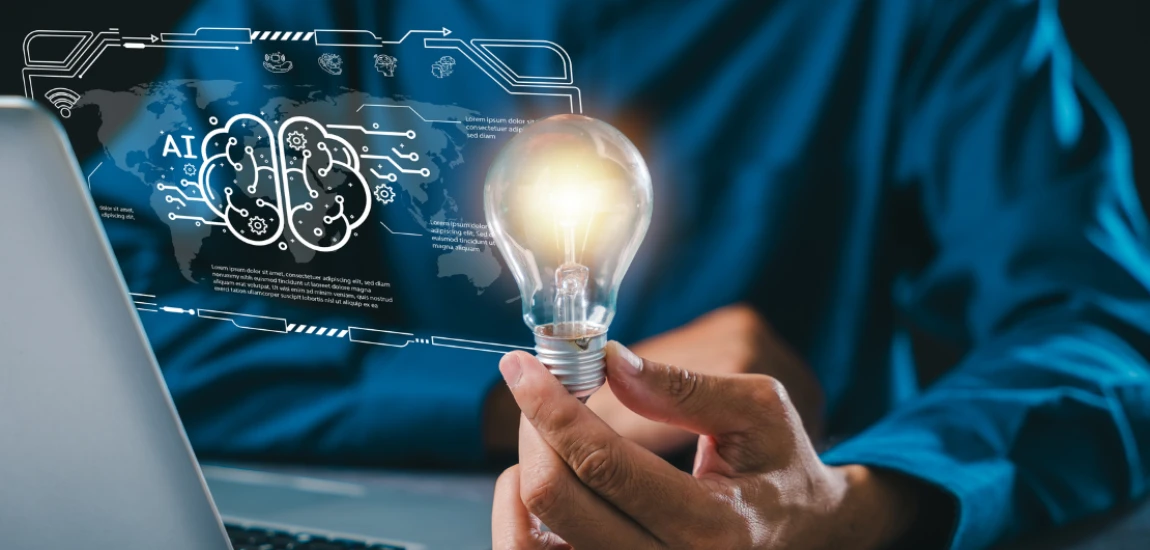
Hyper-personalized AI ecosystems represent the next evolution in artificial intelligence, where systems are designed to deliver highly tailored experiences based on individual user behavior, preferences, and real-time data. Unlike traditional personalization, which relies on basic segmentation, hyper-personalization leverages advanced machine learning, big data analytics, and behavioral modeling to create dynamic, context-aware interactions. These ecosystems integrate multiple platforms, devices, and data sources to form a unified intelligence layer that continuously learns and adapts to users. Predictive human experience design builds upon this foundation by anticipating user needs before they are explicitly expressed, enabling proactive engagement and seamless interactions. From personalized recommendations in e-commerce to adaptive interfaces in digital applications, these technologies are transforming how businesses and individuals interact with digital environments. As organizations strive to enhance customer satisfaction and engagement, hyper-personalized AI ecosystems are becoming essential tools for delivering meaningful, efficient, and intuitive experiences in an increasingly data-driven world.
Core Technologies Behind Hyper-Personalization

The success of hyper-personalized AI ecosystems depends on a combination of advanced technologies that enable data collection, analysis, and intelligent decision-making in real time.
Machine Learning and Behavioral Analytics
Machine learning algorithms analyze user behavior patterns to identify preferences and predict future actions. Behavioral analytics tools track interactions across platforms, providing insights into user habits and enabling systems to deliver highly relevant content and recommendations.
Big Data and Real-Time Processing
Hyper-personalization relies on processing vast amounts of data from multiple sources, including social media, transaction histories, and IoT devices. Real-time data processing ensures that systems can respond instantly to user actions, enhancing the overall experience.
Natural Language Processing and Context Awareness
Natural language processing (NLP) enables systems to understand and interpret human language, allowing for more natural interactions. Context-aware computing ensures that responses are relevant to the user’s current situation, improving accuracy and engagement.
Predictive Human Experience Design Explained

Predictive human experience design focuses on anticipating user needs and delivering proactive solutions that enhance satisfaction and efficiency.
Anticipatory User Interfaces
Anticipatory interfaces use predictive algorithms to present relevant options and information before users request them. This reduces friction and improves usability by streamlining interactions.
Personalized Customer Journeys
By analyzing user data, AI systems can map personalized customer journeys that adapt in real time. This ensures that each interaction is tailored to the individual, increasing engagement and conversion rates.
Emotional and Sentiment Analysis
Advanced AI systems can analyze user emotions and sentiments through text, voice, and facial expressions. This enables more empathetic interactions and helps businesses respond appropriately to user needs.
Applications Across Industries

Hyper-personalized AI ecosystems are transforming various industries by enabling more intelligent and user-centric solutions.
E-Commerce and Retail
In e-commerce, AI-driven personalization enhances product recommendations, pricing strategies, and marketing campaigns. Customers receive tailored experiences that increase satisfaction and loyalty.
Healthcare and Wellness
Healthcare systems use AI to provide personalized treatment plans, monitor patient health, and predict potential issues. This improves patient outcomes and reduces healthcare costs.
Education and Learning Platforms
Educational platforms leverage hyper-personalization to create adaptive learning experiences. Content is tailored to individual learning styles, improving comprehension and retention.
Benefits and Challenges of Hyper-Personalization

While hyper-personalized AI ecosystems offer significant advantages, they also present challenges that must be addressed.
Advantages of Tailored Experiences
Hyper-personalization enhances user engagement, satisfaction, and loyalty by delivering relevant and meaningful interactions. It also improves efficiency by reducing the time and effort required to find information or complete tasks.
Data Privacy and Ethical Concerns
The use of personal data raises concerns about privacy and security. Organizations must ensure that data is collected and used responsibly, with transparency and user consent.
Technical and Implementation Challenges
Implementing hyper-personalized systems requires advanced infrastructure, skilled personnel, and significant investment. Ensuring scalability and integration with existing systems can be complex.


Gary Arndt operates "Everything Everywhere," a blog focusing on worldwide travel. An award-winning photographer, Gary shares stunning visuals alongside his travel tales.
Gary Arndt
Prev Post

Next Post