
Cross-Domain AI Integration and Unified Intelligence Ecosystems
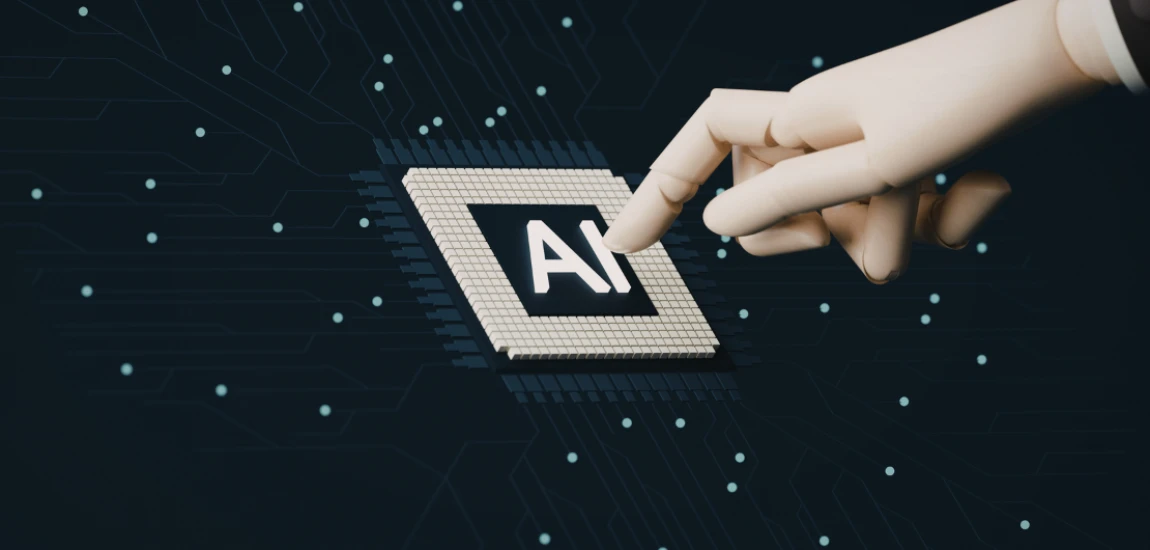
Cross-domain AI integration is a transformative approach that connects artificial intelligence systems across different industries, data types, and applications to create unified intelligence ecosystems. Unlike isolated AI implementations, cross-domain integration allows disparate AI models to communicate, share knowledge, and collaboratively enhance decision-making processes. In today’s fast-paced digital economy, organizations generate vast amounts of structured and unstructured data from multiple domains such as healthcare, finance, manufacturing, logistics, and customer engagement platforms. Traditional AI systems often operate in silos, limiting their ability to provide comprehensive insights. By integrating AI across domains, organizations can unlock hidden correlations, improve predictive capabilities, and optimize strategies that span multiple business areas. Unified intelligence ecosystems are designed to facilitate seamless data exchange, standardized protocols, and interoperable AI models, ensuring that insights are both holistic and actionable. Furthermore, these ecosystems enable real-time learning, adaptive intelligence, and cross-functional collaboration, empowering organizations to respond quickly to emerging trends, operational risks, and market opportunities. As AI continues to evolve, cross-domain integration is becoming critical for enterprises seeking sustainable growth, competitive advantage, and scalable intelligence frameworks.
Core Technologies Driving Cross-Domain AI

Artificial Intelligence and Machine Learning
AI and machine learning algorithms are central to cross-domain integration. Deep learning, reinforcement learning, and natural language processing enable systems to understand complex data patterns and derive actionable insights. By training models on multi-domain datasets, AI can generalize knowledge across contexts, improving accuracy and performance.
Knowledge Graphs and Semantic Modeling
Knowledge graphs and semantic modeling provide a foundation for connecting heterogeneous data sources. They define relationships between entities across domains, allowing AI systems to reason over integrated datasets. Semantic modeling ensures interoperability, making data and insights easily consumable by different AI applications.
API-Driven and Cloud-Based Architectures
Cloud-based platforms and APIs facilitate communication between AI models across domains. Standardized APIs allow data exchange, model deployment, and cross-system collaboration, enabling real-time integration and scalability. Cloud infrastructure also provides the computational power necessary for large-scale, multi-domain AI operations.
Benefits of Unified Intelligence Ecosystems

Holistic Decision-Making
Cross-domain AI integration enables organizations to make decisions based on a comprehensive view of internal and external data. Insights drawn from multiple domains provide richer context, enhancing strategic planning and risk assessment.
Increased Operational Efficiency
Unified intelligence ecosystems streamline workflows by reducing redundancies, automating cross-functional processes, and enabling seamless knowledge sharing. This leads to significant time and cost savings while improving productivity.
Enhanced Innovation and Collaboration
Connecting AI systems across domains fosters innovation by revealing new opportunities for product development, service optimization, and process improvement. Cross-functional collaboration becomes more efficient, as stakeholders access shared insights and predictive models.
Applications Across Industries

Healthcare and Life Sciences
In healthcare, cross-domain AI integration connects patient data, genomic information, clinical research, and operational insights. This facilitates precision medicine, predictive diagnostics, and optimized resource allocation, improving patient outcomes and reducing costs.
Finance and Risk Management
Financial institutions leverage cross-domain AI to integrate transaction data, market trends, regulatory information, and customer behavior. This enables more accurate fraud detection, risk assessment, and investment decision-making.
Manufacturing and Supply Chain
Manufacturers use integrated AI to combine production metrics, logistics data, market forecasts, and maintenance schedules. This improves operational efficiency, predicts equipment failures, and optimizes supply chain performance.
Challenges in Implementing Cross-Domain AI

Data Privacy and Security
Integrating data across domains raises concerns about privacy, security, and compliance. Organizations must implement robust encryption, access controls, and regulatory compliance strategies to protect sensitive information.
Technical Complexity
Cross-domain integration involves connecting heterogeneous systems, data formats, and AI models. Ensuring interoperability, data consistency, and real-time performance requires advanced architecture design and expertise.
Governance and Standardization
Unified intelligence ecosystems require standardized policies, model validation protocols, and data governance frameworks. Organizations must define clear rules to manage AI lifecycle, prevent biases, and ensure accountability.
Future Trends in Unified AI Ecosystems

AI-Driven Self-Learning Systems
Next-generation ecosystems will incorporate self-learning AI that adapts autonomously across domains. These systems continuously update models based on new data, optimizing predictions and decisions without manual intervention.
Expansion of Edge and IoT Integration
As IoT devices proliferate, AI ecosystems will extend to edge networks, enabling localized real-time processing and cross-domain insights. This enhances responsiveness and reduces latency for operational decisions.
Collaborative AI Networks
Future trends point toward collaborative AI networks, where multiple organizations share anonymized datasets and models across domains. This enables broader insights, collective intelligence, and accelerated innovation.


Derek Baron, also known as "Wandering Earl," offers an authentic look at long-term travel. His blog contains travel stories, tips, and the realities of a nomadic lifestyle.
Derek Baron

Prev Post

Next Post