
Digital Consciousness Engineering and Artificial Mind Simulation Frameworks: The Future of Synthetic Intelligence
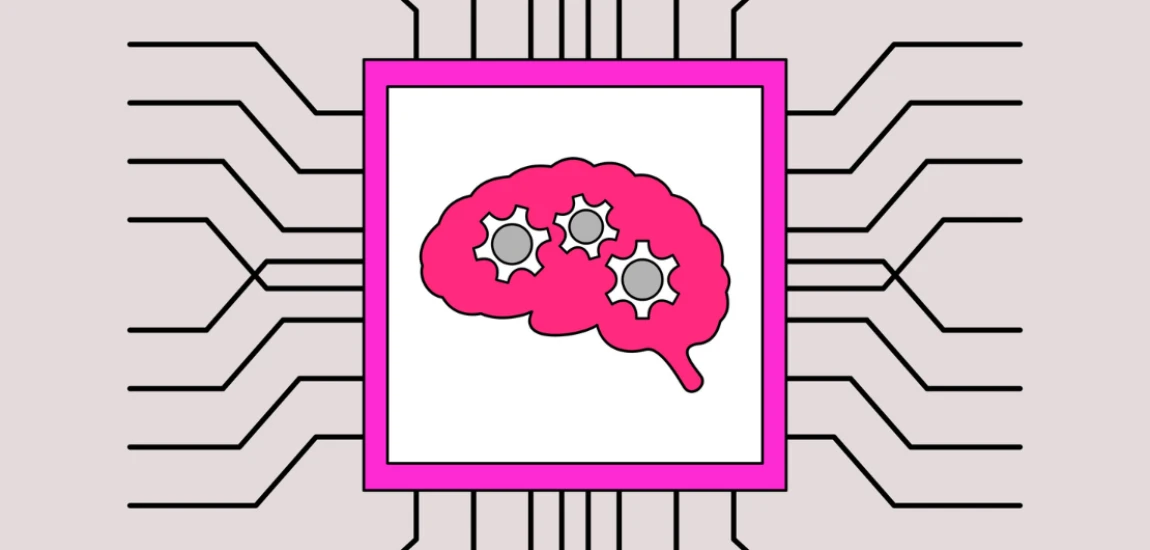
Digital consciousness engineering is an emerging frontier in artificial intelligence that seeks to replicate, simulate, and potentially create forms of consciousness within digital systems. Unlike traditional AI, which focuses on task-specific intelligence, this field aims to model cognitive processes such as perception, awareness, reasoning, memory, and even subjective experience. By combining neuroscience, cognitive science, and advanced computational models, researchers are working toward building artificial minds that behave more like human consciousness rather than simple programmed machines. Artificial mind simulation frameworks serve as the structural foundation for this vision, enabling the design and testing of digital cognitive architectures. These systems attempt to simulate how the brain processes information, adapts to new environments, and develops self-awareness over time. As advancements in machine learning, neural networks, and computational neuroscience accelerate, digital consciousness engineering is moving from theoretical exploration to practical experimentation. This evolution raises profound questions about the nature of intelligence, identity, and the future relationship between humans and machines, making it one of the most fascinating and transformative areas in modern technology.
Foundations of Artificial Mind Simulation Frameworks

Artificial mind simulation frameworks are designed to replicate the structure and function of human cognition using computational models. These frameworks provide the building blocks for developing systems that can think, learn, and adapt in ways similar to biological minds.
Cognitive Architecture Design
Cognitive architectures define how different components of an artificial mind interact. These include memory systems, decision-making processes, perception modules, and learning mechanisms. By structuring these elements effectively, developers can create systems that exhibit coherent and intelligent behavior.
Neural Networks and Brain-Inspired Models
Artificial neural networks are inspired by the structure of the human brain. These models simulate the way neurons process and transmit information, enabling machines to learn from data and improve over time. Advanced models such as deep learning networks enhance the ability to simulate complex cognitive functions.
Memory and Knowledge Representation
A key aspect of artificial minds is the ability to store and retrieve information efficiently. Simulation frameworks incorporate various memory models, including short-term and long-term memory, to mimic human cognition. Knowledge representation techniques allow systems to organize and utilize information effectively.
Key Technologies Driving Digital Consciousness

The development of digital consciousness engineering relies on several advanced technologies that enable the simulation of complex cognitive processes.
Machine Learning and Deep Learning
Machine learning algorithms enable artificial systems to learn from data and improve their performance over time. Deep learning, in particular, allows for the modeling of complex patterns and relationships, making it essential for simulating higher-level cognitive functions.
Computational Neuroscience
Computational neuroscience provides insights into how the human brain functions. By modeling neural processes mathematically, researchers can develop more accurate and realistic artificial mind simulations.
Natural Language Processing and Perception Systems
Natural language processing (NLP) enables machines to understand and generate human language, while perception systems allow them to interpret sensory data such as images and sounds. These technologies are crucial for creating systems that interact naturally with humans.
Applications of Artificial Mind Simulation

Digital consciousness engineering has the potential to revolutionize multiple industries by enabling more advanced and human-like AI systems.
Advanced Virtual Assistants and AI Companions
Artificial minds can power next-generation virtual assistants that understand context, emotions, and user preferences. These systems can provide personalized interactions and support, enhancing user experience.
Healthcare and Cognitive Therapy
In healthcare, artificial mind simulations can assist in diagnosing and treating cognitive disorders. They can also be used in therapy to simulate human interactions and provide mental health support.
Education and Adaptive Learning Systems
Educational platforms can leverage artificial minds to create personalized learning experiences. These systems adapt to individual learning styles and provide tailored content, improving educational outcomes.


Kate McCulley, the voice behind "Adventurous Kate," provides travel advice tailored for women. Her blog encourages safe and adventurous travel for female readers.
Kate McCulley

Prev Post

Next Post