
Human Digital Memory Augmentation and the Future of Cognitive Enhancement
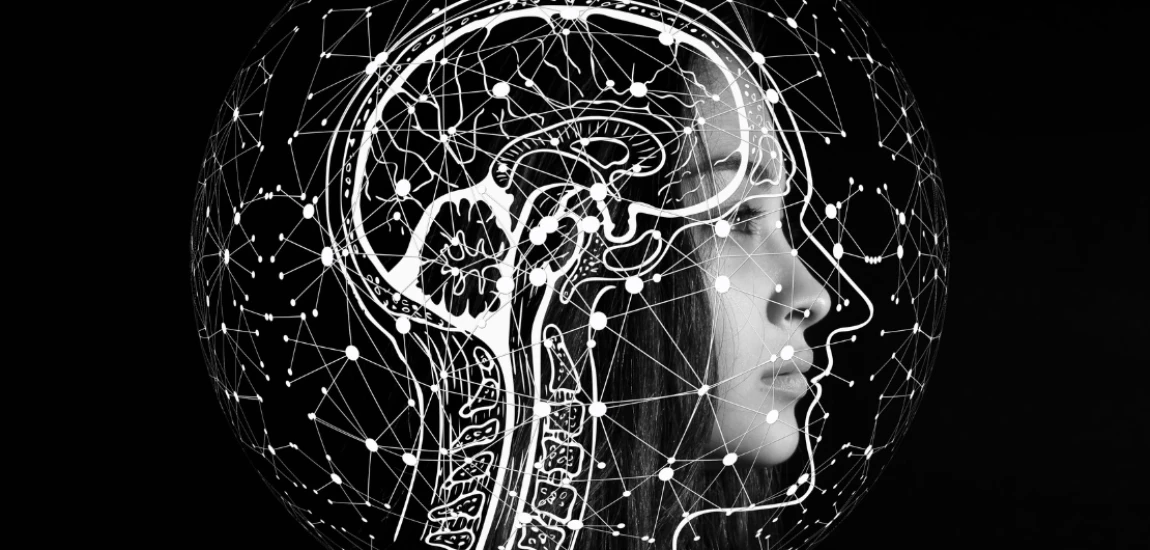
Human memory is one of the most remarkable capabilities of the brain, but it is also limited. People forget names, lose track of information, misremember events, and struggle to retrieve knowledge when it is needed. As modern life becomes increasingly complex, individuals are expected to manage enormous amounts of information across work, education, communication, healthcare, and everyday activities.
Digital technology has already become an external memory system. Smartphones store contacts, photographs, notes, reminders, documents, and messages. Cloud platforms preserve years of personal and professional information. Search engines provide access to vast amounts of knowledge within seconds.
However, the future of technology may go far beyond simply storing information. The next stage could involve systems designed to actively augment human memory.
Human digital memory augmentation refers to technologies that help people capture, organize, retrieve, interpret, and interact with personal information. These systems may use artificial intelligence, wearable devices, contextual computing, voice interfaces, augmented reality, and eventually advanced brain-computer interfaces.
Instead of searching through files manually, a person could ask an intelligent memory system to recall a conversation, summarize a meeting, identify a previous decision, or connect information from different experiences.
The goal is not necessarily to replace biological memory. Instead, digital systems could work alongside the human brain, providing support when information is difficult to remember or retrieve.
This emerging field could transform education, healthcare, productivity, aging, accessibility, and human-computer interaction. At the same time, it raises important questions about privacy, identity, cognitive independence, data ownership, and the meaning of memory itself.
What Is Human Digital Memory Augmentation?

Creating an External Cognitive Layer
Human digital memory augmentation involves using technology to extend the ability of individuals to remember and access information.
A digital memory system could record information from different sources, including conversations, documents, images, locations, schedules, and personal notes.
Artificial intelligence could then organize this information into a searchable and contextual knowledge system.
For example, an individual might ask, “What did we decide during last month’s project meeting?” The system could analyze stored information and provide a relevant answer.
This creates an external cognitive layer that supports biological memory.
Context-Aware Memory Assistance
Future memory systems may become increasingly context-aware.
Instead of requiring users to manually save every piece of information, intelligent systems could understand when information is important.
A wearable device might recognize that a person is attending a meeting and automatically organize relevant information.
An AI assistant could identify connections between current conversations and previous events.
This could make digital memory more natural and less dependent on manual data entry.
Personal Knowledge Systems
Digital memory augmentation may also create personalized knowledge graphs.
These systems could connect people, places, concepts, experiences, projects, and information.
Over time, the system could develop a structured representation of an individual’s digital experiences.
This could help users discover relationships between ideas that may otherwise remain disconnected.
The Technologies Powering Cognitive Enhancement

Artificial Intelligence and Personal Memory Assistants
AI is central to the future of digital memory augmentation.
Modern AI systems can analyze text, audio, images, and other forms of information.
A personal memory assistant could summarize conversations, organize notes, retrieve facts, and identify important patterns.
Unlike traditional search tools, an AI memory system could understand natural language and context.
Users may not need to remember the exact words used in a document or conversation. They could describe what they remember, and the AI could search for relevant information.
Wearable Devices and Ambient Computing
Wearable devices may become important tools for capturing information.
Smart glasses, watches, earbuds, and other devices can collect data through microphones, cameras, sensors, and biometric systems.
Ambient computing environments may also recognize activities and interactions.
The goal is to create systems that support memory without requiring constant interaction with a screen.
Brain-Computer Interfaces
Brain-computer interfaces represent a more advanced possibility.
These technologies attempt to create communication pathways between neural activity and digital systems.
Future developments may allow individuals to interact with digital memory systems through neural signals.
However, this area remains technically complex and raises significant ethical and privacy questions.
How Digital Memory Augmentation Could Transform Everyday Life

Improving Learning and Education
Students often struggle to retain large amounts of information.
Digital memory systems could provide personalized learning support by tracking what a student has studied and identifying areas that require reinforcement.
An AI assistant could remind students of related concepts, generate personalized explanations, and retrieve previous learning materials.
This could create a more continuous relationship between memory and education.
Instead of forgetting information after an examination, students could maintain long-term digital knowledge systems.
Supporting Professional Productivity
Modern professionals manage meetings, emails, documents, tasks, and conversations.
Digital memory augmentation could help organize this information automatically.
An intelligent system could identify decisions made during meetings, track project changes, and retrieve important historical context.
This could reduce the cognitive burden associated with information management.
Workers could spend less time searching through archives and more time making decisions.
Supporting Aging and Memory Assistance
Digital memory systems may also support people experiencing memory challenges associated with aging.
A personalized assistant could provide reminders, identify familiar people, organize routines, and help retrieve important information.
Such systems could support independence while providing additional cognitive assistance.
The design of these tools must be respectful and empowering. Technology should support individuals rather than unnecessarily replacing human autonomy.
The Benefits of Human Digital Memory Augmentation

Reducing Cognitive Overload
Modern individuals are constantly exposed to information.
Remembering every detail is impossible.
Digital memory augmentation can reduce cognitive overload by allowing people to store information externally and retrieve it when necessary.
This may help users focus on creativity, reasoning, communication, and decision-making rather than attempting to memorize every detail.
Improving Long-Term Knowledge Retention
A digital memory system can preserve information over long periods.
People may forget details from projects, conversations, or experiences, but digital systems can retain searchable records.
This can create a form of long-term personal knowledge preservation.
Users may be able to revisit experiences and information that would otherwise disappear from memory.
Enhancing Accessibility
Digital memory augmentation could provide valuable support for people with different cognitive needs.
Voice interfaces, visual reminders, personalized prompts, and AI-based assistance could help individuals manage information more effectively.
Technology could adapt to different ways of learning and interacting with information.
This creates opportunities for more inclusive cognitive tools.


Ben Schlappig runs "One Mile at a Time," focusing on aviation and frequent flying. He offers insights on maximizing travel points, airline reviews, and industry news.
Ben Schlappig
Prev Post
Next Post