
Fusion-Powered Smart Energy Grids and the Future of Sustainable Global Electricity
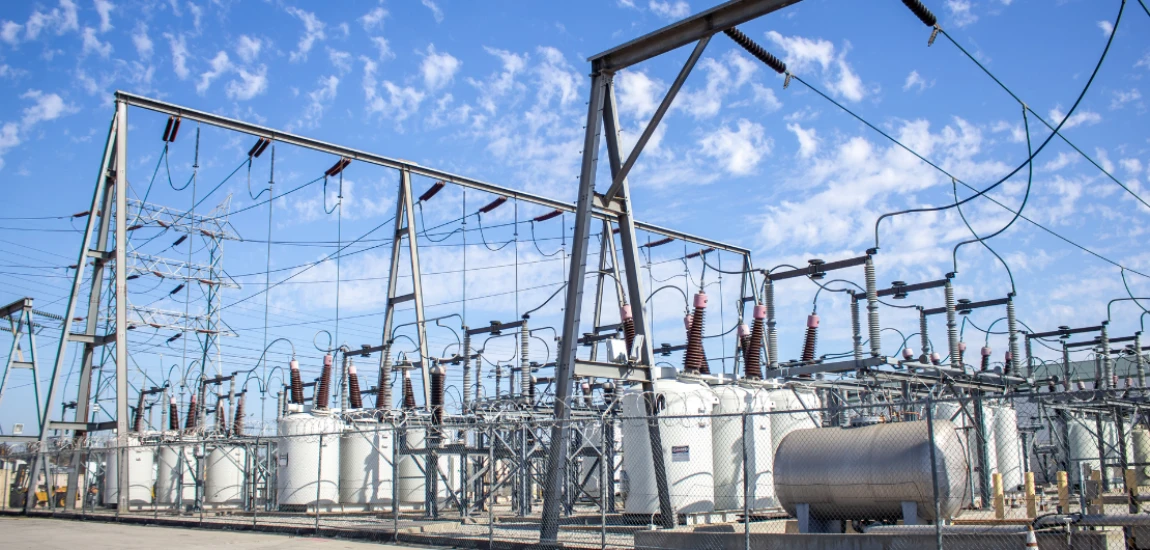
The global demand for electricity continues to rise as populations grow, industries expand, and digital technologies become increasingly integrated into everyday life. At the same time, nations around the world are working to reduce greenhouse gas emissions, improve energy security, and transition toward cleaner sources of electricity. While renewable energy technologies such as solar, wind, and hydroelectric power have made remarkable progress, they also face challenges related to weather dependence, storage limitations, and grid stability. These challenges have encouraged researchers to explore revolutionary energy solutions capable of providing abundant, reliable, and carbon-free electricity.
One of the most promising innovations is Fusion-Powered Smart Energy Grids, which combine the virtually limitless potential of nuclear fusion with artificial intelligence, smart grid technologies, advanced sensors, and automated energy management systems. Nuclear fusion—the same process that powers the Sun—has the potential to generate enormous amounts of clean energy without producing long-lived radioactive waste or greenhouse gas emissions during operation. When integrated into intelligent electricity networks, fusion power could provide stable baseload energy while working alongside renewable sources to create highly resilient and sustainable power systems.
Smart energy grids use real-time data, digital communication, automation, and AI-driven analytics to monitor electricity generation, distribution, and consumption. These technologies optimize energy flow, reduce transmission losses, detect equipment failures, and balance supply with changing demand. The addition of fusion energy could significantly strengthen these capabilities by supplying consistent, large-scale electricity that complements variable renewable generation.
As advances in fusion reactor technology, energy storage, artificial intelligence, and digital infrastructure continue accelerating, Fusion-Powered Smart Energy Grids may become one of the defining innovations of the twenty-first century. They promise not only cleaner electricity but also greater energy reliability, economic growth, and environmental sustainability for communities around the world.
Understanding Fusion-Powered Smart Energy Grids

What Are Fusion-Powered Smart Energy Grids?
Fusion-Powered Smart Energy Grids are advanced electricity networks that integrate nuclear fusion power generation with intelligent digital technologies to create highly efficient, reliable, and sustainable energy systems. Unlike conventional electrical grids, which primarily distribute electricity from centralized fossil fuel or renewable power plants, smart grids continuously monitor and optimize every stage of electricity generation, transmission, distribution, and consumption through real-time communication and automation.
Nuclear fusion serves as a powerful clean energy source capable of producing enormous amounts of electricity by combining light atomic nuclei under extremely high temperatures and pressures. Because fusion reactions generate energy without burning fossil fuels, they produce no direct carbon dioxide emissions during electricity generation and require relatively small amounts of fuel.
Within smart grids, artificial intelligence continuously evaluates electricity demand, renewable energy availability, weather conditions, transmission capacity, and equipment performance. Automated control systems dynamically adjust energy flows to maintain grid stability while minimizing waste and improving operational efficiency.
Fusion-powered grids also support distributed energy resources, battery storage systems, electric vehicle charging infrastructure, and decentralized renewable energy installations. This creates a flexible electricity ecosystem capable of responding rapidly to changing energy demands while maintaining reliable service.
As commercial fusion technology matures, integrating fusion reactors into intelligent energy networks could fundamentally transform global electricity production by providing abundant clean power with unprecedented reliability.
Core Technologies Driving Intelligent Energy Networks
Several advanced technologies work together to enable Fusion-Powered Smart Energy Grids. At the center is nuclear fusion technology, which uses magnetic confinement or inertial confinement systems to create and sustain controlled fusion reactions capable of generating vast quantities of thermal energy for electricity production.
Artificial intelligence plays an equally important role by analyzing real-time information collected from thousands of sensors distributed throughout the electrical network. Machine learning algorithms forecast electricity demand, optimize power generation schedules, detect equipment anomalies, and recommend operational adjustments that improve overall grid performance.
Advanced smart meters provide detailed information about household and industrial electricity consumption, allowing utilities to balance supply and demand more effectively. Automated substations use intelligent control systems to reroute electricity instantly when faults occur, reducing outage durations and improving system resilience.
Battery energy storage systems complement fusion generation by storing surplus electricity during periods of low demand and releasing it when consumption increases. Renewable energy sources such as solar and wind farms can also be integrated seamlessly, creating balanced hybrid energy systems supported by stable fusion-generated baseload power.
Cloud computing, cybersecurity platforms, high-speed communication networks, and Internet of Things (IoT) technologies further strengthen grid coordination by enabling continuous data exchange among power plants, substations, utilities, and consumers.
Together, these technologies create highly adaptive electricity networks capable of delivering reliable, efficient, and environmentally sustainable power.
How Fusion Energy Differs from Conventional Power Generation
Traditional electricity generation relies on fossil fuels, nuclear fission, hydropower, or renewable energy technologies. Each of these methods offers advantages but also presents limitations regarding fuel availability, emissions, reliability, environmental impact, or waste management.
Fusion energy differs fundamentally because it reproduces the natural energy production process occurring inside stars. Rather than splitting heavy atomic nuclei as in nuclear fission, fusion combines lightweight hydrogen isotopes to release enormous amounts of energy. This process generates significantly less long-lived radioactive waste and eliminates carbon emissions associated with fossil fuel combustion.
Unlike solar and wind energy, fusion reactors are not dependent on weather conditions or daylight. They can potentially provide continuous electricity generation throughout the day and night, making them highly valuable for maintaining stable electrical grids.
Fusion fuel sources, including deuterium extracted from seawater and lithium used to produce tritium, are widely available compared to many conventional energy resources. This abundance could improve long-term energy security while reducing dependence on imported fossil fuels.
Although commercial fusion power plants remain under development, ongoing scientific progress suggests that fusion-powered electricity may eventually become one of the world's most sustainable and reliable energy sources, particularly when integrated into intelligent smart grid infrastructures.
The Evolution of Sustainable Global Electricity Systems

The Shift Toward Intelligent Clean Energy Infrastructure
The global electricity sector has undergone significant transformation over the past several decades. Traditional power systems were designed primarily around large centralized fossil fuel power plants that delivered electricity through one-way transmission networks. While effective for industrial development, these systems often lacked flexibility, efficiency, and environmental sustainability.
Growing concerns regarding climate change, energy security, and carbon emissions have accelerated the transition toward cleaner electricity infrastructure. Renewable energy technologies such as solar photovoltaic systems, offshore wind farms, hydroelectric facilities, and geothermal power have expanded rapidly, reducing dependence on coal and natural gas.
At the same time, digital technologies have revolutionized grid management. Smart sensors, automated control systems, artificial intelligence, and advanced communication networks enable utilities to monitor electricity production and consumption continuously. Rather than simply responding to power outages after they occur, intelligent grids predict problems before they happen and optimize electricity distribution automatically.
Fusion energy represents the next major step in this evolution. By providing reliable carbon-free baseload electricity, fusion reactors could complement renewable energy sources while reducing the need for fossil fuel backup generation.
This combination of clean energy production and intelligent digital management creates highly resilient electricity systems capable of meeting future global energy demands sustainably.
Artificial Intelligence and Automation in Modern Power Grids
Artificial intelligence has become one of the most important technologies driving the modernization of electrical infrastructure. Smart grids generate enormous amounts of operational data every second, including information about electricity demand, equipment performance, weather conditions, renewable energy output, and transmission system status.
Machine learning algorithms analyze this information continuously to forecast future electricity consumption, identify potential equipment failures, optimize energy dispatch, and improve overall system efficiency. Utilities use predictive analytics to schedule maintenance before breakdowns occur, reducing operational costs while improving reliability.
Automated control systems also respond instantly to changing grid conditions. If transmission lines become overloaded or renewable energy production fluctuates unexpectedly, AI rapidly redistributes electricity throughout the network to maintain stable power delivery.
Consumers benefit from intelligent energy management as well. Smart home technologies automatically adjust heating, cooling, lighting, and appliance usage according to electricity prices and household demand patterns. Industrial facilities optimize manufacturing operations based on real-time energy availability, improving both efficiency and sustainability.
As fusion energy becomes commercially viable, artificial intelligence will coordinate fusion reactors alongside renewable energy resources, battery storage facilities, and distributed generation systems, creating highly efficient electricity ecosystems capable of adapting to changing energy demands in real time.
Building More Resilient and Sustainable Energy Networks
Modern societies increasingly depend on uninterrupted electricity for healthcare, transportation, communications, manufacturing, financial systems, and digital services. As climate change contributes to more frequent extreme weather events, strengthening electrical grid resilience has become a global priority.
Fusion-Powered Smart Energy Grids enhance resilience through intelligent monitoring, decentralized energy management, and diversified electricity generation. Rather than relying on a limited number of large fossil fuel plants, future grids will integrate fusion reactors, renewable energy sources, energy storage systems, and distributed microgrids into coordinated electricity networks.
Artificial intelligence continuously monitors equipment health, transmission performance, cybersecurity threats, and weather forecasts. Potential disruptions are identified early, allowing utilities to take preventive action before widespread outages occur.
Microgrids provide additional resilience by enabling communities, hospitals, military facilities, universities, and industrial campuses to operate independently during major grid disturbances. Battery storage systems further improve reliability by supplying backup electricity during periods of peak demand or temporary generation interruptions.
These interconnected technologies create highly adaptive electricity systems capable of maintaining reliable service under a wide range of operating conditions. As the world's energy infrastructure continues evolving, Fusion-Powered Smart Energy Grids will play a central role in delivering secure, sustainable, and resilient electricity for future generations.
Applications of Fusion-Powered Smart Energy Grids Across Industries

Supporting Smart Cities and Urban Energy Management
One of the most transformative applications of Fusion-Powered Smart Energy Grids is the development of intelligent cities that require stable, clean, and uninterrupted electricity. Modern urban areas depend on electricity for transportation systems, hospitals, communication networks, water treatment facilities, public infrastructure, and millions of connected smart devices. As cities continue to grow, ensuring reliable energy distribution becomes increasingly important.
Fusion-powered smart grids can provide continuous baseload electricity while artificial intelligence optimizes energy distribution according to real-time demand. Smart street lighting, intelligent traffic management systems, electric vehicle charging stations, and connected public services can all operate more efficiently using AI-managed electricity networks.
Advanced sensors installed throughout urban infrastructure continuously monitor electricity consumption, equipment performance, and transmission conditions. Artificial intelligence identifies demand fluctuations, predicts equipment failures, and automatically balances electricity loads to prevent outages.
Residential buildings equipped with smart meters also benefit from personalized energy management. Homeowners receive real-time information about electricity usage, allowing them to reduce waste and lower utility costs. Automated home energy systems adjust heating, cooling, lighting, and appliance operation based on electricity demand and pricing.
By combining abundant fusion energy with intelligent digital management, future smart cities can achieve greater energy efficiency, lower carbon emissions, and improved quality of life while supporting continued urban growth.
Transforming Industrial Manufacturing and Large-Scale Operations
Industrial facilities represent some of the world's largest consumers of electricity. Manufacturing plants, chemical processing facilities, steel production, semiconductor fabrication, mining operations, and large-scale logistics centers require constant access to reliable energy for continuous production.
Fusion-Powered Smart Energy Grids offer industries a dependable source of carbon-free electricity capable of supporting energy-intensive operations without interruptions caused by fluctuating renewable energy generation. Artificial intelligence continuously analyzes industrial energy consumption, production schedules, equipment performance, and electricity availability to optimize power allocation.
Predictive maintenance systems monitor transformers, motors, generators, and production equipment to identify early signs of wear before failures occur. This reduces costly downtime while extending equipment lifespan.
Smart factories also integrate robotics, automation systems, Internet of Things sensors, and AI-driven production management into unified energy ecosystems. Fusion-generated electricity provides stable power for these advanced technologies while reducing dependence on fossil fuels.
Heavy industries seeking to reduce carbon emissions can significantly improve sustainability by transitioning toward fusion-supported electrical infrastructure. Lower greenhouse gas emissions, improved operational efficiency, and enhanced energy security create long-term economic and environmental benefits.
As industrial digital transformation accelerates, fusion-powered smart grids will become increasingly important for supporting competitive, sustainable, and resilient manufacturing.
Powering Transportation and Future Mobility Systems
Transportation is undergoing rapid electrification as electric vehicles, autonomous transportation, high-speed rail systems, electric aviation, and smart logistics networks become more widespread. Meeting the growing electricity demand of these systems requires highly reliable energy infrastructure capable of supporting millions of charging stations and intelligent transportation services.
Fusion-Powered Smart Energy Grids provide the stable electricity needed for widespread electric vehicle adoption while artificial intelligence coordinates charging schedules to prevent grid overload during peak demand periods. Smart charging systems automatically adjust charging times according to electricity availability, renewable energy production, and consumer preferences.
Public transportation systems including electric buses, metro networks, and high-speed rail benefit from uninterrupted power supplies that improve operational reliability while reducing transportation-related emissions.
Autonomous vehicles also depend heavily on intelligent digital infrastructure. AI-powered traffic management systems coordinate transportation flows, optimize routing, reduce congestion, and improve road safety through continuous communication with connected vehicles and smart road infrastructure.
Airports, shipping ports, and logistics hubs similarly benefit from intelligent electricity management that supports cargo handling equipment, automated warehouses, electric ground vehicles, and digital communication systems.
As transportation becomes increasingly electrified, fusion-powered smart grids will provide the dependable clean energy foundation necessary to support future mobility on a global scale.
Benefits and Advantages of Fusion-Powered Smart Energy Grids

Providing Reliable Carbon-Free Electricity
One of the greatest advantages of Fusion-Powered Smart Energy Grids is their ability to generate reliable electricity without producing carbon emissions during normal operation. Unlike fossil fuel power plants that release greenhouse gases into the atmosphere, fusion reactors generate energy through atomic fusion reactions similar to those occurring inside the Sun.
This clean energy source can operate continuously regardless of weather conditions, making it an ideal complement to renewable resources such as solar and wind power. During periods when renewable generation decreases because of cloudy skies or low wind speeds, fusion reactors continue supplying stable electricity that maintains grid reliability.
Artificial intelligence further enhances reliability by balancing multiple energy sources within the grid. Machine learning algorithms forecast electricity demand, renewable energy production, and equipment performance while automatically adjusting power generation to maintain stable operation.
Reduced dependence on fossil fuels also improves national energy security by decreasing vulnerability to fuel price fluctuations and supply disruptions. Countries with access to fusion-powered electricity can strengthen energy independence while supporting long-term environmental goals.
As commercial fusion technology advances, its combination with intelligent grid management will provide one of the world's most dependable sources of sustainable electricity.
Improving Energy Efficiency and Grid Resilience
Modern smart grids are designed not only to generate electricity efficiently but also to distribute it with minimal waste and maximum reliability. Fusion-Powered Smart Energy Grids use advanced monitoring technologies to optimize every stage of electricity transmission and consumption.
Artificial intelligence continuously identifies overloaded transmission lines, inefficient power flows, and equipment operating outside normal conditions. Automated control systems immediately redistribute electricity when faults occur, preventing widespread outages while minimizing energy losses.
Battery storage systems complement fusion generation by storing excess electricity during periods of lower demand and supplying additional power during peak consumption. Distributed microgrids further strengthen resilience by allowing hospitals, emergency services, universities, military facilities, and industrial complexes to continue operating independently if portions of the main electrical grid become unavailable.
Smart meters also improve efficiency by helping consumers understand their electricity usage patterns. Businesses and households receive detailed information that supports energy conservation while reducing unnecessary consumption.
Together, these technologies create highly adaptive electricity networks capable of responding rapidly to changing environmental conditions, equipment failures, and evolving consumer demands.
Creating a Sustainable Energy Future for the World
Fusion-Powered Smart Energy Grids have the potential to reshape the future of global electricity by combining abundant clean energy with intelligent digital infrastructure. As electricity demand continues growing because of population increases, industrial expansion, and widespread electrification, sustainable energy solutions become increasingly important.
Future fusion reactors are expected to operate alongside renewable energy systems, hydrogen production facilities, advanced battery storage, carbon-neutral manufacturing, and smart city infrastructure. Artificial intelligence will coordinate these interconnected resources to maximize efficiency while minimizing environmental impacts.
Emerging technologies such as quantum computing, advanced materials, next-generation superconductors, and highly efficient plasma control systems are expected to accelerate the commercialization of fusion energy. At the same time, digital twins, predictive analytics, and autonomous grid management will further improve smart grid performance.
International collaboration will play an essential role in developing standardized technologies, sharing scientific knowledge, and expanding clean energy access worldwide. Governments, research institutions, and private industries are already investing heavily in fusion research and intelligent electricity infrastructure to address long-term climate and energy challenges.
As these innovations continue maturing, Fusion-Powered Smart Energy Grids will become one of the foundations of sustainable global electricity. Their ability to deliver reliable, carbon-free power while supporting intelligent energy management offers a practical pathway toward a cleaner, more resilient, and economically prosperous future for generations to come.


Operating "The Blonde Abroad," Kiersten Rich specializes in solo female travel. Her blog provides destination guides, packing tips, and travel resources.
Kiersten Rich

Prev Post

Next Post