
AI-Driven Nanotechnology and the Future of Precision Manufacturing Systems
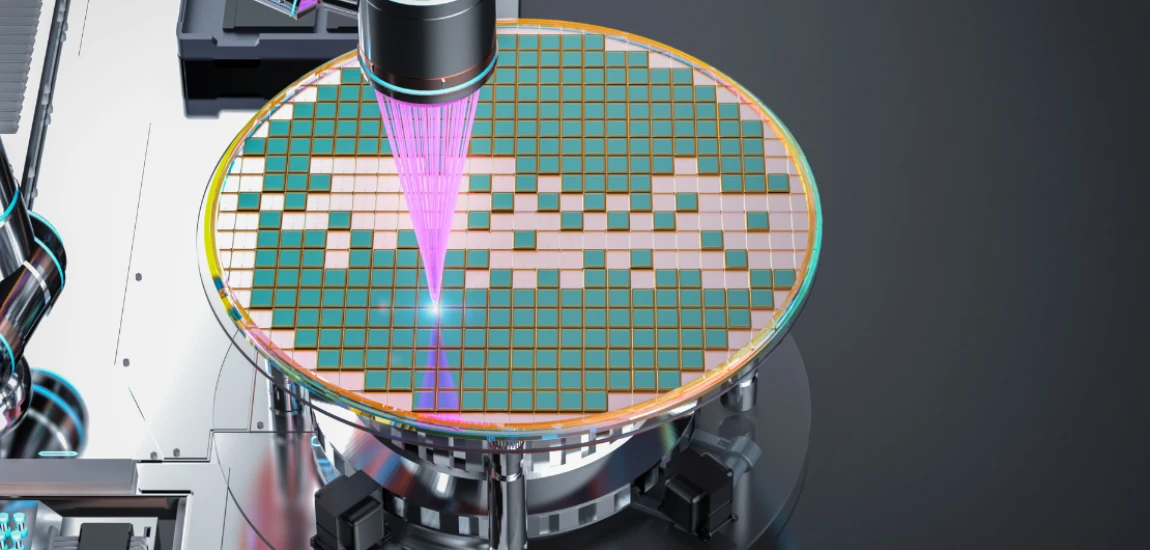
The manufacturing industry is undergoing a technological revolution as businesses seek smarter ways to improve productivity, reduce waste, and produce high-quality products with exceptional precision. Traditional manufacturing methods have served industries for decades, but increasing customer demands, complex product designs, and global competition require more advanced production technologies. This has led to the emergence of AI-driven nanotechnology, an innovative field that combines artificial intelligence with nanoscale engineering to create intelligent, automated, and highly accurate manufacturing systems.
Nanotechnology focuses on designing and manipulating materials at the atomic and molecular scale, enabling manufacturers to create stronger, lighter, and more efficient products. Artificial intelligence complements these capabilities by analyzing massive datasets, optimizing production processes, predicting equipment failures, and improving quality control. Together, these technologies allow manufacturers to achieve levels of precision that were previously impossible using conventional production methods.
From semiconductor manufacturing and aerospace engineering to healthcare devices and renewable energy systems, AI-driven nanotechnology is reshaping industrial production across numerous sectors. Intelligent manufacturing systems can continuously monitor production lines, detect microscopic defects, optimize material usage, and adapt to changing production requirements in real time. As research and innovation continue to accelerate, AI-driven nanotechnology is expected to become a cornerstone of future precision manufacturing systems, delivering greater efficiency, sustainability, and competitiveness for industries worldwide.
Understanding AI-Driven Nanotechnology

What Is AI-Driven Nanotechnology?
AI-driven nanotechnology is an advanced technological field that integrates artificial intelligence with nanoscale science and engineering. It enables researchers and manufacturers to analyze, design, and manipulate materials at the molecular and atomic levels with remarkable accuracy. Artificial intelligence processes large volumes of scientific and manufacturing data to identify patterns, optimize material properties, and improve production methods. This combination allows industries to create innovative products with higher performance, improved durability, and greater manufacturing precision than traditional techniques can achieve.
How Artificial Intelligence Enhances Nanotechnology
Artificial intelligence accelerates nanotechnology by automating complex calculations, analyzing experimental data, and predicting the behavior of nanoscale materials. Machine learning algorithms help scientists identify optimal material structures, reduce research time, and improve manufacturing efficiency. AI-powered simulations also minimize costly trial-and-error experiments by forecasting how nanomaterials will perform under different conditions. These capabilities allow manufacturers to develop advanced materials more quickly while maintaining exceptional quality and consistency.
Importance of Nanotechnology in Modern Manufacturing
Nanotechnology has become a key component of precision manufacturing because it enables the creation of materials with enhanced strength, conductivity, flexibility, and resistance to wear. Manufacturers use nanomaterials to improve electronic devices, medical equipment, automotive components, aerospace systems, and energy technologies. By combining nanoscale engineering with intelligent AI systems, industries can produce smaller, lighter, and more reliable products while reducing material waste, production costs, and environmental impact.
Core Technologies Behind Precision Manufacturing Systems

Machine Learning and Predictive Manufacturing
Machine learning plays a central role in precision manufacturing by analyzing production data to identify patterns and improve operational efficiency. AI systems monitor equipment performance, predict maintenance requirements, and detect potential production issues before they cause downtime. Predictive manufacturing reduces unexpected failures, improves product quality, and enables manufacturers to optimize production schedules while minimizing maintenance costs and resource consumption.
Nanomaterials and Advanced Manufacturing Processes
Nanomaterials provide exceptional mechanical, electrical, and chemical properties that improve the performance of manufactured products. These advanced materials are used to produce stronger composites, lightweight structural components, flexible electronics, and highly efficient energy systems. AI assists manufacturers by selecting the most suitable nanomaterials for specific applications and optimizing production parameters to ensure consistent quality throughout the manufacturing process.
Automation, Robotics, and Intelligent Quality Control
Modern precision manufacturing systems rely on intelligent automation and robotics to perform highly accurate production tasks. AI-powered robots equipped with advanced sensors can assemble microscopic components, inspect products for nanoscale defects, and adjust manufacturing processes in real time. Automated quality control systems continuously analyze production data, ensuring that every product meets strict performance and safety standards while improving overall manufacturing efficiency.
Applications of AI-Driven Nanotechnology in Modern Industries

Healthcare and Medical Device Manufacturing
AI-driven nanotechnology is transforming healthcare by enabling the production of highly precise medical devices, diagnostic equipment, and advanced drug delivery systems. Nanomaterials improve the durability, flexibility, and performance of implants, surgical instruments, and wearable health monitors. Artificial intelligence analyzes biological and manufacturing data to optimize material selection and ensure every component meets strict medical standards. Researchers are also developing nanoscale robots capable of delivering medication directly to diseased cells, improving treatment accuracy while minimizing side effects. As healthcare technologies continue to advance, AI-driven nanotechnology will play a vital role in producing safer, smarter, and more personalized medical solutions.
Electronics, Semiconductor, and Energy Industries
The electronics industry depends on extremely precise manufacturing processes, making nanotechnology an ideal solution for producing smaller and more powerful devices. AI assists manufacturers by detecting microscopic defects, improving chip design, and optimizing production efficiency. Nanomaterials enhance the performance of semiconductors, batteries, solar panels, and flexible electronic displays by increasing conductivity, reducing energy loss, and improving durability. In renewable energy, AI-driven nanotechnology supports the development of high-efficiency solar cells, advanced energy storage systems, and lightweight materials that contribute to more sustainable energy production. These innovations continue to improve the performance and reliability of modern electronic devices.
Automotive, Aerospace, and Industrial Manufacturing
Manufacturers in the automotive and aerospace sectors are adopting AI-driven nanotechnology to produce stronger, lighter, and more fuel-efficient components. Nanocomposite materials improve structural strength while reducing overall weight, helping vehicles and aircraft consume less energy. AI continuously monitors production lines, identifies quality issues, and optimizes manufacturing processes to ensure consistent precision. Industrial manufacturers also benefit from nanoscale coatings that resist corrosion, reduce friction, and extend equipment lifespan. These advanced technologies increase operational efficiency, improve product quality, and reduce maintenance costs across large-scale manufacturing facilities.
Benefits and Challenges of AI-Driven Nanotechnology

Advantages of Precision Manufacturing Systems
AI-driven nanotechnology offers significant advantages for modern manufacturing by increasing precision, improving product quality, and reducing production waste. Intelligent systems can monitor manufacturing processes in real time, automatically adjusting production parameters to maintain consistent performance. Predictive maintenance reduces unexpected equipment failures, while AI-powered quality control identifies microscopic defects before products reach customers. These improvements help manufacturers lower operational costs, increase productivity, and deliver reliable products that meet demanding industry standards.
Current Challenges and Industry Limitations
Despite its enormous potential, AI-driven nanotechnology still faces several technical and economic challenges. Manufacturing nanomaterials often requires specialized equipment and highly controlled production environments, increasing implementation costs. Integrating artificial intelligence into existing manufacturing systems can also require significant investment in infrastructure, workforce training, and cybersecurity. In addition, maintaining consistent nanoscale quality across large production volumes remains a complex engineering challenge that researchers continue to address through ongoing innovation and process optimization.
Future Developments and Emerging Opportunities
The future of AI-driven nanotechnology is expected to bring even greater levels of automation, precision, and sustainability to manufacturing industries. Advances in artificial intelligence, quantum computing, robotics, and material science will enable manufacturers to design smarter production systems capable of self-optimization and autonomous decision-making. Future factories may use intelligent nanosensors to monitor every stage of production in real time, ensuring maximum efficiency and minimal waste. As technology becomes more accessible, AI-driven nanotechnology will expand into fields such as biotechnology, construction, environmental engineering, consumer electronics, and space exploration, shaping the next generation of precision manufacturing systems.


Kate McCulley, the voice behind "Adventurous Kate," provides travel advice tailored for women. Her blog encourages safe and adventurous travel for female readers.
Kate McCulley

Prev Post

Next Post