
Digital Twin Intelligence Systems: Powering Real-Time Industrial Simulation Frameworks
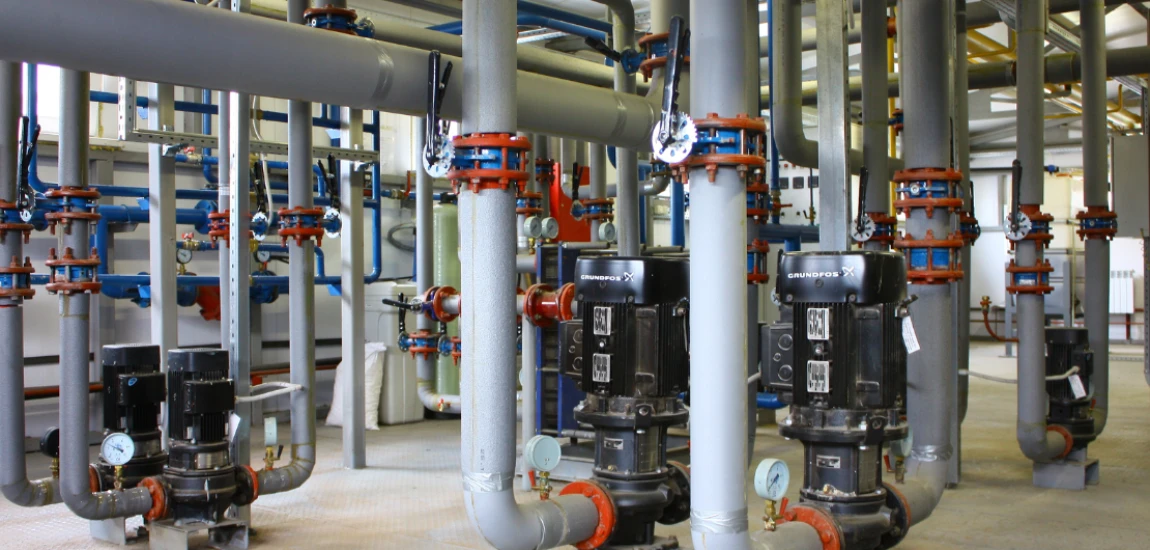
Digital twin intelligence systems are revolutionizing industrial operations by creating virtual representations of physical assets, processes, and systems. These digital replicas continuously receive real-time data from sensors, enabling organizations to simulate, monitor, and optimize performance with unprecedented accuracy. Traditional industrial systems often rely on reactive maintenance and static models, which can lead to inefficiencies and downtime. In contrast, real-time industrial simulation frameworks powered by digital twins allow predictive maintenance, scenario testing, and intelligent decision-making. By integrating technologies such as IoT, artificial intelligence, and advanced analytics, digital twin systems provide a dynamic and data-driven approach to managing complex industrial environments. As industries embrace digital transformation, these systems are becoming essential for improving productivity, reducing costs, and enhancing operational resilience.
Understanding Digital Twin Intelligence Systems

What is a Digital Twin?
A digital twin is a virtual model that accurately represents a physical object, system, or process. It is continuously updated with real-time data from sensors embedded in the physical counterpart, ensuring that the digital version reflects current conditions.
Digital twin intelligence systems go beyond simple visualization by incorporating analytics and AI to provide actionable insights. This enables organizations to monitor performance, detect anomalies, and optimize operations effectively.
Evolution of Digital Twin Technology
The concept of digital twins has evolved significantly over the years. Initially used for basic simulations, modern digital twins now integrate real-time data and advanced analytics to provide deeper insights.
This evolution has been driven by advancements in IoT, cloud computing, and AI, making digital twin systems more powerful and accessible across various industries.
Importance in Industrial Transformation
Digital twin intelligence systems play a crucial role in industrial transformation by enabling smarter and more efficient operations. They allow organizations to move from reactive to proactive strategies, improving overall performance.
By providing real-time visibility and predictive capabilities, these systems help industries reduce downtime, optimize resources, and enhance productivity.
Core Components of Real-Time Simulation Frameworks

IoT Sensors and Data Integration
IoT sensors are the foundation of digital twin systems, providing real-time data on various parameters such as temperature, pressure, and performance metrics. This data is integrated into the digital twin, ensuring accurate representation.
Effective data integration is essential for creating a reliable digital twin. It allows systems to combine data from multiple sources, providing a comprehensive view of operations.
Simulation Models and Analytics
Simulation models are used to replicate the behavior of physical systems within the digital twin. These models enable organizations to test different scenarios and predict outcomes.
Advanced analytics tools process data and generate insights, helping decision-makers optimize operations and improve efficiency.
Cloud and Edge Computing Infrastructure
Cloud computing provides the scalability needed to store and process large volumes of data, while edge computing enables real-time processing at the source.
This combination ensures that digital twin systems can deliver timely insights and support critical decision-making processes.
Benefits of Digital Twin Intelligence Systems

Predictive Maintenance and Reduced Downtime
One of the key benefits of digital twin intelligence systems is predictive maintenance. By analyzing real-time data, these systems can identify potential issues before they occur.
This allows organizations to perform maintenance proactively, reducing downtime and minimizing disruptions.
Improved Operational Efficiency
Digital twins enable organizations to optimize their operations by providing insights into performance and resource utilization. This leads to improved efficiency and cost savings.
By identifying inefficiencies and bottlenecks, businesses can streamline processes and enhance productivity.
Enhanced Decision-Making
With access to real-time data and predictive insights, decision-makers can make informed choices quickly. Digital twin systems provide a clear understanding of current conditions and potential outcomes.
This improves the accuracy and effectiveness of decisions, leading to better overall performance.
Applications of Digital Twin Systems in Industry

Manufacturing and Production Optimization
In manufacturing, digital twin intelligence systems are used to optimize production processes. They enable real-time monitoring of equipment and workflows, ensuring efficient operations.
By simulating different scenarios, manufacturers can identify the best strategies for improving productivity and reducing costs.
Energy and Utilities Management
Digital twins are widely used in the energy sector to monitor and manage infrastructure such as power plants and grids. These systems provide insights into performance and help optimize energy usage.
This leads to improved efficiency and reduced environmental impact.
Smart Cities and Infrastructure
Digital twin systems are also used in smart cities to manage infrastructure and services. They provide real-time data on traffic, utilities, and environmental conditions, enabling better planning and management.
This enhances the quality of life for residents and supports sustainable urban development.


Gary Arndt operates "Everything Everywhere," a blog focusing on worldwide travel. An award-winning photographer, Gary shares stunning visuals alongside his travel tales.
Gary Arndt
Prev Post

Next Post