
Digital Twin Ecosystems and Real-Time Virtual World Simulation
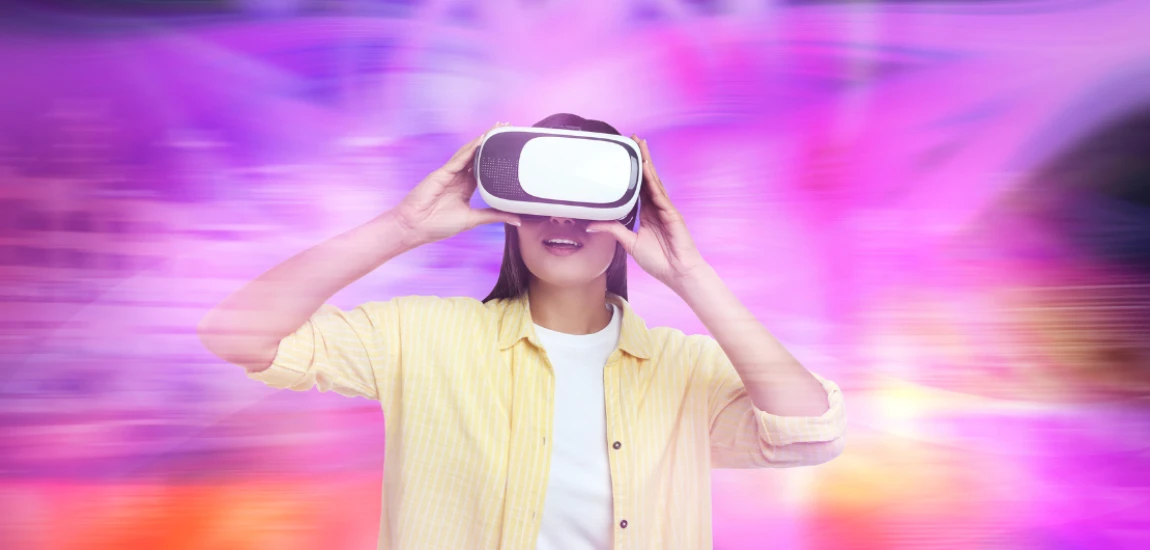
Digital transformation is reshaping industries by enabling organizations to make faster, smarter, and more informed decisions. As technologies such as artificial intelligence (AI), the Internet of Things (IoT), cloud computing, and big data analytics continue to evolve, businesses are looking for innovative ways to monitor and optimize real-world systems. One of the most significant developments in this area is the creation of digital twin ecosystems, where virtual replicas of physical assets, processes, and environments continuously receive real-time data from their real-world counterparts.
Unlike traditional computer models that are updated only occasionally, digital twins remain synchronized with physical systems through connected sensors and data streams. This continuous flow of information allows organizations to monitor performance, predict failures, simulate different scenarios, and improve operational efficiency without disrupting real-world operations. From manufacturing plants and smart cities to healthcare systems and transportation networks, digital twin technology is becoming a powerful tool for innovation and intelligent decision-making.
Real-time virtual world simulation extends these capabilities by allowing businesses and researchers to test strategies, optimize processes, and evaluate potential outcomes in a safe digital environment before implementing changes in the physical world. As computing power and connectivity continue to improve, digital twin ecosystems are expected to become increasingly sophisticated, supporting sustainable development, predictive maintenance, and highly automated operations across multiple industries.
Understanding Digital Twin Ecosystems

What Are Digital Twin Ecosystems?
A digital twin ecosystem is a connected network of virtual models that accurately represent physical objects, systems, or entire environments. These digital replicas receive continuous updates from sensors, IoT devices, and operational databases, allowing them to mirror the real-world condition of the assets they represent. Unlike static simulations, digital twins evolve continuously as new information becomes available, providing organizations with an accurate and up-to-date view of system performance.
How Real-Time Virtual Simulation Works
Digital twin ecosystems collect information from connected sensors, machines, and software platforms. This data is transmitted to cloud-based systems, where artificial intelligence and advanced analytics process it to create a real-time virtual representation. Engineers, operators, and decision-makers can use these simulations to monitor system behavior, identify performance issues, test possible improvements, and predict future outcomes without affecting real-world operations.
Why Digital Twin Technology Is Important
Modern industries generate enormous amounts of operational data every day. Digital twin ecosystems transform this data into meaningful insights by providing continuous monitoring, predictive analytics, and virtual testing capabilities. This helps organizations reduce downtime, improve product quality, optimize resource utilization, and make more informed decisions. As industries increasingly adopt AI-driven automation and smart infrastructure, digital twins are becoming a critical component of digital transformation strategies.
Digital twin ecosystems represent a major advancement in intelligent computing by connecting physical systems with dynamic virtual environments. Their ability to continuously analyze real-time information enables organizations to improve efficiency, reduce operational risks, and respond quickly to changing conditions. As artificial intelligence, cloud computing, and IoT technologies continue to evolve, digital twins are expected to become even more accurate, scalable, and valuable across sectors such as manufacturing, healthcare, energy, transportation, and smart city development.
How Real-Time Virtual World Simulation Works

Internet of Things (IoT) and Data Collection
Digital twin ecosystems rely on IoT sensors and connected devices to collect real-time information from physical assets. These sensors continuously monitor factors such as temperature, pressure, speed, energy consumption, and equipment performance. The collected data is transmitted to digital platforms, ensuring that the virtual model accurately reflects the current state of the physical system.
Artificial Intelligence and Predictive Analytics
Artificial intelligence analyzes the incoming data to identify patterns, detect abnormalities, and predict potential failures before they occur. Machine learning algorithms continuously improve the accuracy of these predictions by learning from historical and real-time data. This enables organizations to optimize operations, schedule maintenance proactively, and reduce unexpected downtime.
Cloud Computing and Virtual Simulation
Cloud computing provides the processing power and storage required to manage large volumes of real-time data generated by digital twin ecosystems. Virtual simulations allow engineers and decision-makers to test different scenarios, evaluate system performance, and implement improvements without disrupting physical operations. This reduces costs, improves efficiency, and supports better strategic planning.
Applications of Digital Twin Ecosystems

Smart Manufacturing and Industrial Automation
Manufacturing companies use digital twins to monitor production lines, improve equipment performance, and predict maintenance requirements. Real-time simulations help manufacturers optimize workflows, reduce operational costs, improve product quality, and minimize equipment failures, leading to more efficient and reliable production processes.
Healthcare, Smart Cities, and Transportation
Hospitals use digital twins to monitor medical equipment, optimize patient care, and improve hospital operations. Smart cities apply digital twin technology to manage traffic, public utilities, and energy systems, while transportation organizations use virtual simulations to improve vehicle performance, infrastructure planning, and traffic management.
Energy, Construction, and Infrastructure
Energy providers use digital twins to monitor power plants, renewable energy systems, and utility networks. Construction companies simulate building performance before construction begins, while infrastructure managers monitor bridges, roads, and public facilities in real time to improve safety, maintenance, and long-term operational efficiency.
Benefits and Future of Digital Twin Ecosystems

Improved Decision-Making and Operational Efficiency
Digital twin ecosystems provide accurate, real-time insights that help organizations make faster and more informed decisions. By continuously monitoring physical assets and simulating different scenarios, businesses can improve productivity, reduce operational risks, and respond quickly to changing conditions.
Cost Savings and Predictive Maintenance
Predictive analytics enables organizations to identify equipment issues before failures occur, reducing maintenance costs and minimizing downtime. Digital twins also optimize resource utilization, extend asset lifecycles, and improve overall operational performance, resulting in significant long-term cost savings.
Future Outlook
As artificial intelligence, IoT, cloud computing, and high-speed connectivity continue to advance, digital twin ecosystems will become more intelligent and widely adopted. Future developments are expected to support fully autonomous factories, smarter cities, advanced healthcare systems, and sustainable infrastructure, making real-time virtual world simulation an essential technology for the next generation of digital transformation.


Gilbert Ott, the man behind "God Save the Points," specializes in travel deals and luxury travel. He provides expert advice on utilizing rewards and finding travel discounts.
Gilbert Ott
Prev Post
Next Post