
Circular Tourism Economy Systems – Reducing Waste and Reusing Resources
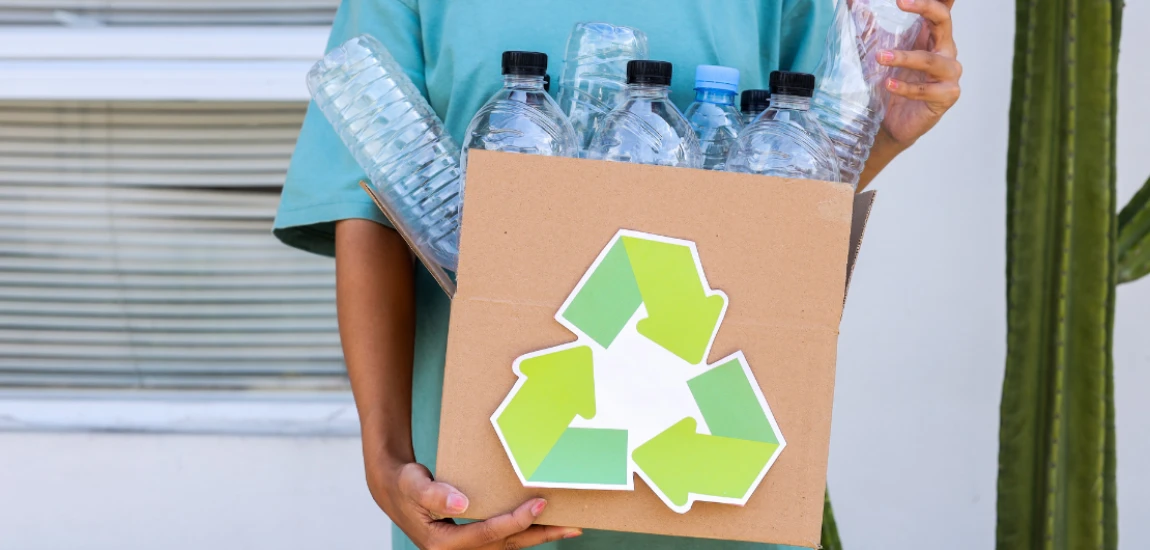
Tourism creates valuable opportunities for economic growth, employment, cultural exchange, and community development. However, hotels, restaurants, attractions, transportation services, and other tourism businesses also consume significant resources and generate waste. Food scraps, plastic packaging, discarded furniture, excessive water use, and energy consumption can place pressure on local environments and infrastructure.
Traditional economic models often follow a linear pattern: resources are extracted, products are manufactured, goods are consumed, and waste is discarded. In contrast, a circular economy aims to keep materials and resources in use for as long as possible through reuse, repair, recycling, sharing, and waste prevention.
Circular tourism economy systems apply these principles to tourism destinations and businesses. They encourage hotels to reduce food waste, restaurants to purchase local ingredients, attractions to reuse materials, and destinations to improve water and energy efficiency.
This approach benefits both the environment and the tourism economy. By reducing unnecessary consumption, businesses can control operating costs, protect natural resources, and offer visitors more responsible travel experiences. Circular tourism also creates opportunities for local suppliers, repair businesses, recycling services, and community enterprises.
Understanding how circular tourism economy systems work can help destinations move toward a more efficient, resilient, and sustainable future.
Understanding Circular Tourism Economy Systems

Moving Beyond the Linear Tourism Model
The linear tourism model depends on purchasing resources, using them for a limited period, and disposing of them when they are no longer needed. For example, a hotel may purchase single-use toiletries, replace furniture frequently, and send leftover food to landfill.
Although these practices can appear convenient, they often create unnecessary expenses and environmental pressure. Businesses repeatedly pay for materials that could potentially be reused, repaired, shared, or purchased in more durable forms.
Circular tourism economy systems offer an alternative by designing operations around resource efficiency. Hotels can install refillable dispensers, repair furniture, donate suitable surplus items, and separate recyclable materials. Restaurants can plan menus around seasonal ingredients and use purchasing systems that minimize spoilage.
The objective is not simply to recycle more waste. It is to prevent waste from being created in the first place and maintain the value of products and materials for longer.
The Main Principles of Circular Tourism
Circular tourism is based on several interconnected principles. The first is reducing resource consumption by avoiding unnecessary purchases and improving operational efficiency. The second is extending the useful life of products through maintenance, repair, refurbishment, and reuse.
Another principle is recovering materials that cannot be reused directly. Proper recycling and composting can redirect suitable materials away from disposal. Businesses can also share equipment, purchase refurbished products, and work with suppliers that use recyclable or reusable packaging.
These strategies apply throughout the tourism supply chain, including accommodation, food services, transportation, entertainment, and destination management.
Why Circular Systems Matter for Tourism
Tourism depends on attractive landscapes, clean water, healthy ecosystems, and vibrant local communities. When destinations waste resources or generate excessive pollution, they risk damaging the very qualities that attract visitors.
Circular systems can help tourism businesses reduce operating expenses while protecting their surroundings. They can also encourage innovation, strengthen local supply chains, and create employment in repair, reuse, recycling, and resource recovery.
By treating waste as a potential resource and prioritizing prevention, destinations can build tourism economies that create value without relying on constantly increasing material consumption.
Reducing Waste Across Hotels and Accommodation Businesses

Preventing Single-Use Waste
Hotels generate waste through toiletries, food packaging, disposable cups, cleaning supplies, and guest amenities. Small improvements across hundreds of rooms can produce meaningful reductions in resource consumption.
Replacing individual toiletry bottles with refillable dispensers is one practical measure. Hotels can also provide reusable water bottles or refill stations, reduce unnecessary packaging, and use durable alternatives to disposable products where hygiene and operational requirements permit.
Digital check-in, electronic receipts, and online information guides can reduce paper consumption. However, businesses should still provide accessible alternatives for guests who need printed information or assistance.
The most effective approach begins with a waste audit. Managers can record the types and quantities of waste produced, identify avoidable materials, and establish measurable reduction targets.
Reusing and Repairing Furniture and Equipment
Furniture, linens, appliances, and decorative items can represent substantial investments for accommodation providers. Replacing these products too frequently increases purchasing costs and creates additional waste.
Hotels can introduce preventive maintenance schedules, repair damaged furniture, refurbish suitable equipment, and reuse items across different departments. Furniture that no longer fits one property may still be useful in another location or community facility.
When products reach the end of their useful life, businesses can investigate responsible donation, resale, or material recovery options. These decisions should consider safety, quality, local regulations, and the condition of the items.
Engaging Guests in Sustainable Practices
Guests can help reduce waste when sustainable choices are convenient and clearly explained. Accommodation providers can encourage towel reuse, offer drinking-water refill points, and provide simple instructions for separating waste.
Communication should focus on practical benefits rather than making guests feel responsible for every environmental problem. For example, a clear sign explaining how to refill a water bottle is more useful than a general request to be environmentally friendly.
Hotels should measure outcomes such as reduced disposable-product purchases, lower waste volumes, and decreased replacement costs. These indicators help businesses understand which measures are effective and where further improvements are needed.
Building Circular Food Systems in Tourism

Preventing Food Waste in Restaurants and Hotels
Food waste is a major challenge for tourism businesses, particularly hotels with buffets, restaurants serving variable numbers of guests, and destinations with seasonal visitor demand.
Circular tourism systems begin with better purchasing and meal planning. Restaurants can analyze reservation data, monitor popular menu items, improve stock rotation, and adjust preparation quantities according to expected demand.
Buffet operations can use smaller serving containers and replenish food more frequently rather than preparing excessive quantities in advance. Staff training is also important because inaccurate portion estimates and poor storage practices can create avoidable losses.
Businesses should track kitchen waste, preparation waste, and plate waste separately. This makes it easier to identify whether the main problem comes from purchasing, cooking, storage, or serving practices.
Supporting Local and Seasonal Food Suppliers
Purchasing locally available seasonal ingredients can reduce transportation requirements and support nearby farmers, producers, and small businesses. Local sourcing may also help tourism businesses create menus that reflect regional food traditions.
However, local sourcing should be evaluated carefully. Seasonal availability, production methods, storage needs, food safety, and transport efficiency all influence environmental outcomes. Local products are not automatically more sustainable in every situation.
Tourism businesses can work with suppliers to coordinate deliveries, use reusable transport containers, reduce unnecessary packaging, and purchase quantities that match operational needs.
These partnerships may also help smaller producers gain reliable customers and improve the resilience of local food systems.
Turning Organic Waste Into Useful Resources
Some unavoidable food scraps can be converted into compost or processed through appropriate organic-waste systems. Compost may support landscaping, community gardens, or agricultural production when it meets relevant safety requirements.
Edible surplus food that remains safe for consumption may be redistributed through approved donation programs. Businesses must follow food safety regulations and maintain suitable storage and handling procedures.
A sensible priority is to prevent food waste first, redistribute suitable surplus second, and recover unavoidable organic waste through composting or other appropriate processes. This hierarchy preserves more value than sending all discarded food directly to landfill.


Shivya Nath authors "The Shooting Star," a blog that covers responsible and off-the-beaten-path travel. She writes about sustainable tourism and community-based experiences.
Shivya Nath

Prev Post

Next Post