
Decentralized Artificial Intelligence Networks and the Evolution of Distributed Machine Intelligence
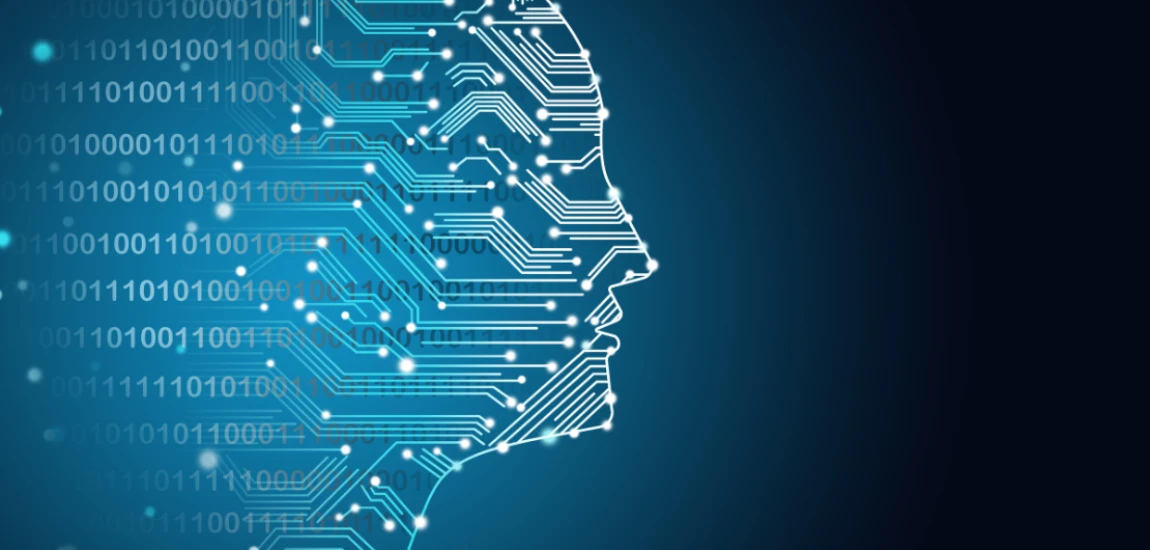
Artificial intelligence has become one of the most transformative technologies of the modern era, powering everything from recommendation systems and autonomous vehicles to healthcare diagnostics and financial forecasting. However, most AI systems today rely heavily on centralized infrastructures where data, computing resources, and decision-making processes are concentrated within large data centers or controlled by a limited number of organizations. While this model has enabled rapid advancements in machine learning, it also introduces challenges related to scalability, privacy, security, data ownership, and system resilience.
Decentralized Artificial Intelligence Networks represent the next major evolution in intelligent computing. These networks distribute AI processing, data storage, model training, and decision-making across multiple interconnected nodes rather than relying on a single centralized authority. By combining artificial intelligence, distributed computing, blockchain technologies, federated learning, edge computing, and peer-to-peer communication systems, decentralized AI creates a more collaborative and resilient ecosystem for machine intelligence.
Distributed machine intelligence enables devices, organizations, and users to contribute to and benefit from AI systems while maintaining greater control over their data and resources. Instead of sending all information to centralized servers, intelligent agents can process data locally, share insights securely, and collectively improve machine learning models.
As digital ecosystems continue to expand and the demand for privacy-preserving AI grows, decentralized artificial intelligence networks are emerging as a critical foundation for the future of intelligent systems. These innovations have the potential to reshape industries, improve trust in AI technologies, and create a more open and democratized technological landscape.
Understanding Decentralized Artificial Intelligence Networks

The Shift from Centralized to Distributed Intelligence
Traditional artificial intelligence systems typically operate within centralized infrastructures where data collection, model training, and computational processing occur in a single location or within a limited group of data centers.
Decentralized AI networks distribute these functions across numerous nodes, devices, and computing environments. Each participant contributes computational resources, data, or specialized capabilities to the broader network.
This shift reduces dependency on centralized authorities and enhances the flexibility, scalability, and resilience of intelligent systems.
Core Components of Decentralized AI Ecosystems
Decentralized artificial intelligence networks rely on multiple interconnected technologies working together to support distributed machine intelligence.
Blockchain systems provide secure and transparent coordination mechanisms. Federated learning frameworks enable collaborative model training without sharing raw data. Edge computing devices process information closer to where it is generated.
Artificial intelligence algorithms coordinate activities across the network while maintaining efficiency and reliability.
Why Decentralization Matters
As AI adoption expands, concerns regarding privacy, monopolization, cybersecurity, and data sovereignty continue to grow.
Decentralized AI addresses many of these concerns by empowering participants to maintain control over their data and resources. It also reduces the risks associated with single points of failure and centralized system vulnerabilities.
This approach creates more trustworthy and resilient AI ecosystems capable of supporting diverse applications across industries.
Distributed Machine Intelligence and Collaborative Learning

Federated Learning as a Foundation
Federated learning is one of the most important technologies supporting decentralized artificial intelligence.
Instead of transferring sensitive data to centralized servers, machine learning models are trained locally on devices or organizational systems. Only model updates are shared with the broader network.
This approach enhances privacy while enabling collaborative learning across distributed environments.
Multi-Agent Intelligence Systems
Distributed machine intelligence often involves multiple autonomous agents working together to achieve common objectives.
These agents may represent devices, robots, software systems, or intelligent applications. Through collaboration and information sharing, they can solve complex problems more efficiently than isolated systems.
Multi-agent architectures support adaptability, scalability, and collective intelligence.
Knowledge Sharing Across Networks
Decentralized AI networks facilitate knowledge exchange among participants without requiring centralized coordination.
Machine learning insights, predictive models, and analytical capabilities can be distributed across interconnected nodes. This collaborative approach accelerates innovation and improves overall system performance.
Knowledge sharing creates a dynamic ecosystem where intelligence continuously evolves.
Privacy, Security, and Trust in Decentralized AI

Protecting Data Ownership
One of the primary advantages of decentralized artificial intelligence is improved data ownership and control.
Individuals and organizations retain possession of their information while participating in collaborative AI initiatives. Sensitive data remains within local environments rather than being transferred to centralized repositories.
This model aligns with growing demands for privacy and regulatory compliance.
Blockchain-Enabled Trust Mechanisms
Blockchain technology plays a crucial role in establishing trust within decentralized AI ecosystems.
Distributed ledgers provide transparent records of transactions, model updates, and network activities. Smart contracts automate governance processes and enforce predefined rules.
These capabilities enhance accountability and reduce reliance on centralized intermediaries.
Strengthening Cybersecurity Resilience
Centralized systems often present attractive targets for cyberattacks due to the concentration of valuable data and computational resources.
Decentralized architectures distribute risk across multiple nodes, making large-scale attacks more difficult to execute successfully. AI-driven security mechanisms can further enhance threat detection and response capabilities.
Improved resilience strengthens overall system security.
Applications Across Industries and Digital Ecosystems

Healthcare and Medical Research
Healthcare organizations generate vast amounts of sensitive patient data that must be protected while supporting medical research and innovation.
Decentralized AI networks enable collaborative analysis of medical information without exposing confidential records. Hospitals and research institutions can collectively improve diagnostic models while preserving privacy.
These capabilities accelerate healthcare advancements and improve patient outcomes.
Financial Services and Decentralized Economies
Financial institutions increasingly rely on AI for fraud detection, risk assessment, and investment analysis.
Decentralized AI systems support secure collaboration among financial entities while reducing dependence on centralized infrastructures. Blockchain integration enables transparent and trustworthy financial operations.
These innovations contribute to the growth of decentralized digital economies.
Smart Cities and Connected Infrastructure
Smart cities depend on intelligent systems to manage transportation, energy, utilities, and public services.
Decentralized AI networks allow devices and infrastructure components to process information locally while contributing to broader urban intelligence systems. This approach improves responsiveness and operational efficiency.
Connected infrastructure benefits significantly from distributed machine intelligence.


Derek Baron, also known as "Wandering Earl," offers an authentic look at long-term travel. His blog contains travel stories, tips, and the realities of a nomadic lifestyle.
Derek Baron

Prev Post
Next Post