
Biohybrid Robotics Systems and the Integration of Living Tissue with Intelligent Machines
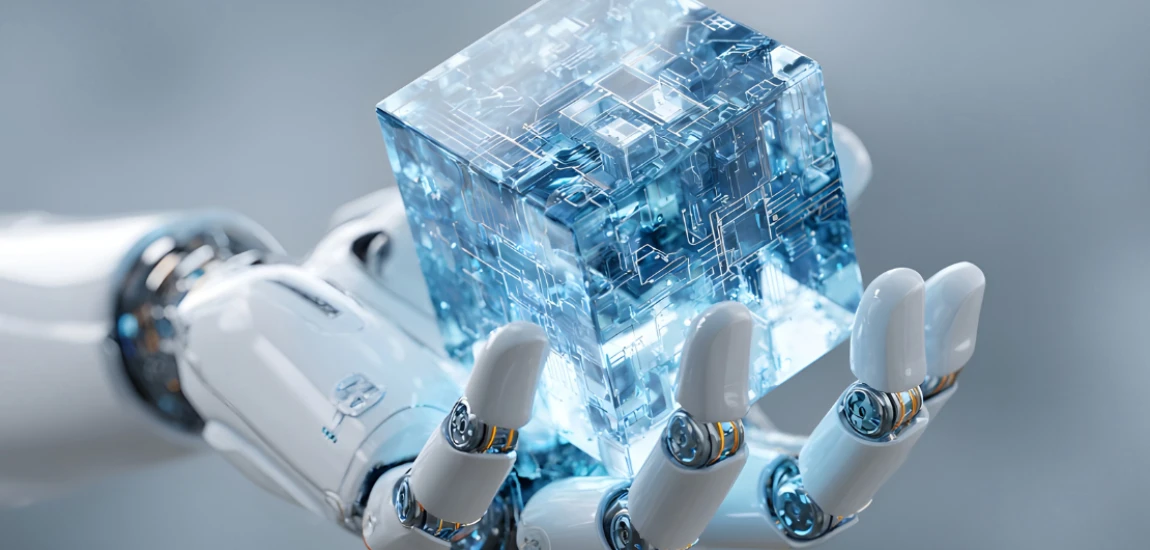
The convergence of biology and robotics is creating one of the most exciting frontiers in modern science and engineering. While traditional robots rely entirely on mechanical components, electronic circuits, and software algorithms, a new generation of machines is emerging that integrates living biological tissues with advanced robotic systems. These innovative technologies, known as biohybrid robotics systems, combine the adaptability and efficiency of living organisms with the precision, computational power, and scalability of intelligent machines.
Biohybrid robotics represents a multidisciplinary field that draws from robotics, artificial intelligence, biotechnology, tissue engineering, neuroscience, synthetic biology, and materials science. Researchers are developing robotic systems that incorporate living muscles, neural networks, biological sensors, and engineered tissues to achieve capabilities that conventional robots struggle to replicate.
One of the most compelling advantages of biohybrid systems is their ability to leverage biological functions such as self-repair, energy efficiency, environmental adaptability, and responsive movement. Living tissues can provide flexible actuation mechanisms and biological intelligence that complement machine-based computation and control systems.
As advancements in stem cell research, biofabrication, machine learning, and biomedical engineering continue to accelerate, biohybrid robotics systems are expected to transform industries ranging from healthcare and manufacturing to environmental monitoring and space exploration. These technologies may redefine how humans interact with machines while expanding the possibilities of intelligent automation.
Understanding Biohybrid Robotics Systems

The Fusion of Biology and Robotics
Biohybrid robotics systems are built on the principle of combining biological components with engineered mechanical structures. Unlike conventional robots that rely exclusively on motors and electronics, biohybrid machines integrate living tissues that contribute directly to functionality.
Researchers may use muscle cells for movement, neural tissues for signal processing, or biological sensors for environmental detection. These biological elements interact with electronic systems to create machines capable of adaptive behaviors and enhanced performance.
The fusion of biology and engineering creates unique opportunities to overcome limitations associated with traditional robotic designs.
Core Components of Biohybrid Machines
Biohybrid systems typically consist of several interconnected elements. Mechanical frameworks provide structural support, while biological tissues perform specialized functions such as movement or sensing.
Artificial intelligence algorithms coordinate system behavior and optimize performance. Advanced interfaces facilitate communication between living tissues and electronic control systems.
Together, these components create integrated platforms capable of performing complex tasks in dynamic environments.
Why Biohybrid Robotics Matters
Traditional robots excel at repetitive and highly structured tasks but often struggle in unpredictable environments. Biological systems, on the other hand, demonstrate remarkable adaptability, resilience, and efficiency.
Biohybrid robotics seeks to combine the strengths of both domains. By leveraging biological capabilities alongside computational intelligence, researchers can develop machines that are more flexible, efficient, and responsive.
This hybrid approach has the potential to redefine the future of robotics and intelligent automation.
Living Tissue Integration and Biological Actuation

Engineered Muscle Systems
One of the most promising applications of living tissue in robotics involves engineered muscle cells.
Scientists can cultivate muscle tissues in laboratory environments and integrate them into robotic structures. These muscles contract in response to electrical or chemical stimuli, generating movement without traditional motors.
Biological actuation systems offer advantages including flexibility, energy efficiency, and smooth motion control.
Neural Interfaces and Biological Communication
Neural tissues can provide sophisticated information-processing capabilities within biohybrid systems.
Researchers are developing interfaces that enable communication between living neurons and electronic devices. These connections allow biological networks to influence machine behavior while receiving feedback from robotic systems.
Neural integration may support more advanced learning, adaptation, and decision-making capabilities.
Tissue Engineering and Biofabrication
Advances in tissue engineering have significantly expanded the possibilities for biohybrid robotics.
Scientists use biofabrication techniques such as 3D bioprinting to create customized tissues tailored for specific robotic applications. These engineered tissues can be designed to exhibit desired mechanical and biological properties.
Improved tissue engineering methods are accelerating innovation across the field.
Artificial Intelligence and Intelligent Biohybrid Control Systems

AI-Powered Biological Coordination
Artificial intelligence plays a central role in managing interactions between biological and mechanical components.
Machine learning algorithms analyze data generated by biological tissues and optimize system performance. AI systems can adapt control strategies based on changing environmental conditions and operational requirements.
This coordination enhances efficiency and functionality.
Adaptive Learning and Behavioral Optimization
Biohybrid robotics systems may benefit from both biological adaptability and machine learning capabilities.
Living tissues naturally respond to environmental stimuli, while AI algorithms continuously refine operational behaviors. Together, these mechanisms create highly adaptive systems capable of learning from experience.
Adaptive learning improves performance in dynamic and unpredictable environments.
Intelligent Human-Machine Interaction
Biohybrid technologies may enable more natural interactions between humans and machines.
Biological sensing capabilities can improve responsiveness to human movements, gestures, and physiological signals. AI-powered interpretation systems translate these signals into meaningful machine actions.
Enhanced interaction supports applications in healthcare, rehabilitation, and assistive technologies.
Applications Across Healthcare and Biomedical Engineering

Advanced Prosthetics and Assistive Devices
Biohybrid robotics is transforming the development of advanced prosthetic systems.
Living muscle tissues and neural interfaces enable prosthetics to respond more naturally to user intentions. These systems provide improved control, comfort, and functionality compared to traditional devices.
Patients benefit from enhanced mobility and quality of life.
Regenerative Medicine and Therapeutic Systems
Biohybrid technologies contribute to regenerative medicine by supporting tissue repair and rehabilitation.
Engineered biological systems can assist in restoring lost functions, promoting healing, and improving treatment outcomes. Intelligent therapeutic devices adapt to patient needs and physiological conditions.
Healthcare applications represent a major area of biohybrid innovation.
Surgical Robotics and Precision Medicine
Biohybrid robotic systems may enhance surgical precision and enable new treatment approaches.
Biological sensors provide highly sensitive feedback, while AI-driven control systems support accurate interventions. These capabilities improve safety and effectiveness in complex medical procedures.
Future surgical technologies may increasingly incorporate biohybrid components.


Dave Lee runs "GoBackpacking," a blog that blends travel stories with how-to guides. He aims to inspire backpackers and offer them practical advice.
Dave Lee

Prev Post

Next Post