
AI-Driven Disaster Prediction Systems and Real-Time Emergency Response Coordination Networks
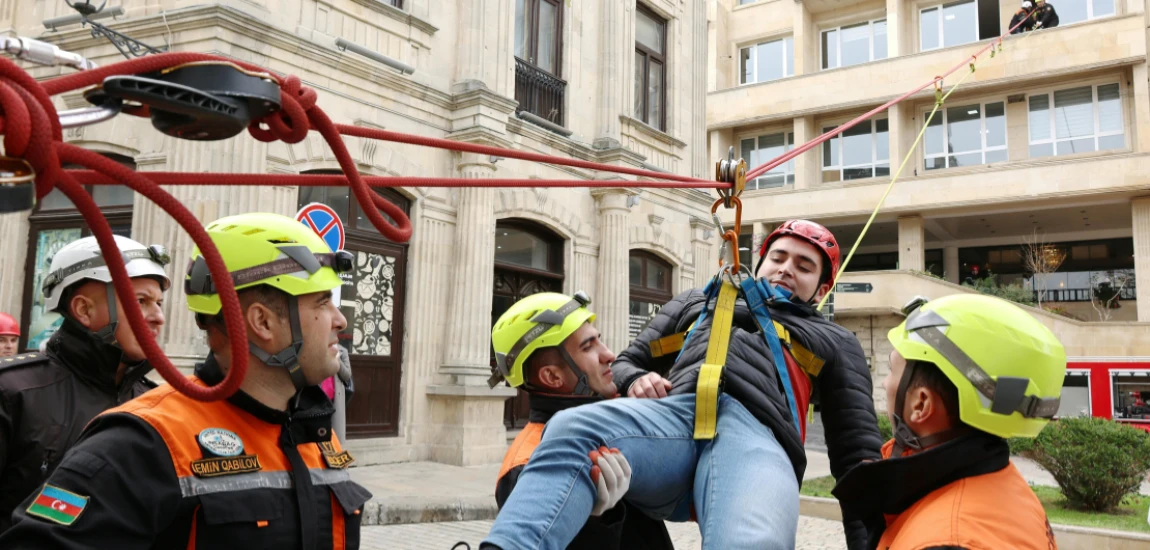
Natural disasters, climate-related emergencies, industrial accidents, and public safety crises are becoming increasingly complex and unpredictable. Traditional disaster management methods often struggle to provide rapid response, accurate forecasting, and efficient coordination during emergencies. As populations grow and climate change intensifies extreme weather events, governments and organizations are turning to advanced technologies to improve disaster preparedness and crisis management capabilities.
AI-driven disaster prediction systems and real-time emergency response coordination networks are transforming the future of disaster management. By combining artificial intelligence, machine learning, big data analytics, IoT sensors, satellite monitoring, and intelligent communication systems, these technologies enable faster decision-making, predictive threat analysis, and automated emergency coordination.
Modern AI systems can analyze enormous volumes of environmental, geological, meteorological, and social data to detect potential disasters before they occur. These intelligent systems help authorities predict floods, earthquakes, wildfires, hurricanes, and infrastructure failures with greater accuracy and speed than traditional monitoring approaches.
At the same time, real-time emergency response coordination networks improve communication between emergency teams, healthcare providers, rescue organizations, and government agencies. Intelligent coordination frameworks ensure rapid resource allocation, efficient evacuation planning, and improved public safety during critical situations.
In this blog, we will explore how AI-driven disaster prediction systems work, the technologies behind real-time emergency response coordination networks, their benefits, applications, challenges, and future potential in creating safer and more resilient societies.
Understanding AI-Driven Disaster Prediction Systems

The Role of Artificial Intelligence in Disaster Forecasting
Artificial intelligence has become a powerful tool in modern disaster prediction and risk assessment. AI algorithms can process massive datasets from satellites, weather stations, seismic sensors, ocean monitoring systems, and social media platforms to identify patterns associated with potential disasters.
Unlike traditional forecasting methods, AI-driven systems continuously learn from historical and real-time data. Machine learning models improve prediction accuracy by recognizing subtle environmental changes that humans may overlook. This enables authorities to detect early warning signs of floods, earthquakes, storms, droughts, and wildfires more effectively.
AI-powered predictive systems also support faster decision-making during rapidly evolving emergencies. Real-time analytics provide emergency managers with accurate forecasts, risk maps, and actionable insights that help minimize damage and save lives.
As disaster risks continue increasing globally, intelligent forecasting systems are becoming essential for improving national resilience and emergency preparedness strategies.
Machine Learning and Predictive Analytics
Machine learning models are central to disaster prediction technologies. These systems analyze enormous volumes of structured and unstructured data to identify relationships between environmental conditions and disaster events.
Predictive analytics tools use climate data, geological activity, atmospheric pressure readings, and satellite imagery to estimate disaster probability and severity. Neural networks can simulate disaster scenarios and forecast their potential impact on communities and infrastructure.
Advanced AI models also improve over time through continuous learning. Every new disaster event provides additional training data that enhances prediction capabilities and system accuracy.
Predictive intelligence allows governments and organizations to implement preventive measures, optimize emergency planning, and reduce economic losses caused by disasters.
Real-Time Monitoring and Sensor Integration
Modern disaster prediction systems rely heavily on real-time monitoring technologies. IoT sensors, drones, smart cameras, and remote sensing devices continuously collect environmental data from multiple locations.
These intelligent monitoring systems can detect abnormal temperature changes, rising water levels, seismic vibrations, and hazardous air conditions instantly. AI algorithms analyze this information in real time to generate automated alerts and risk assessments.
Satellite-based monitoring networks further enhance global disaster detection capabilities by providing high-resolution imagery and climate observations across large geographic regions.
The integration of AI with intelligent sensor networks creates highly responsive disaster monitoring ecosystems capable of identifying threats before they escalate into large-scale emergencies.
The Architecture of Real-Time Emergency Response Coordination Networks

Intelligent Communication Infrastructure
Efficient communication is one of the most critical aspects of emergency response management. Real-time emergency response coordination networks use AI-powered communication infrastructures to connect emergency services, healthcare systems, government agencies, and rescue teams instantly.
Intelligent communication platforms prioritize urgent information, optimize data routing, and ensure reliable connectivity even during infrastructure disruptions. Cloud computing and edge computing technologies further improve communication speed and system resilience.
These advanced communication systems allow emergency responders to share live updates, location data, medical information, and operational instructions seamlessly during crisis situations.
Strong communication infrastructure significantly improves coordination efficiency and reduces delays in emergency response operations.
Automated Resource Allocation Systems
Disaster response often requires rapid deployment of medical supplies, rescue teams, transportation vehicles, and humanitarian aid. AI-driven coordination systems optimize resource allocation using predictive analytics and real-time situational awareness.
Intelligent algorithms analyze disaster severity, population density, infrastructure conditions, and transportation accessibility to determine the most effective distribution strategies.
Automated resource management reduces confusion and helps authorities prioritize critical areas requiring immediate assistance. AI systems can also predict future resource demands and recommend proactive deployment plans.
Efficient resource coordination improves survival rates, minimizes operational waste, and accelerates recovery efforts during emergencies.
Integrated Emergency Command Centers
Modern emergency response frameworks rely on integrated command centers equipped with AI-powered decision-support systems. These command centers aggregate data from multiple agencies and monitoring systems into a centralized operational platform.
AI-assisted dashboards provide emergency managers with live risk assessments, predictive models, evacuation maps, and resource tracking tools. This enables faster and more informed decision-making during rapidly changing disaster scenarios.
Integrated command systems also improve collaboration between local authorities, healthcare providers, military units, and humanitarian organizations.
Centralized coordination reduces operational fragmentation and enhances the overall effectiveness of emergency response efforts.
Benefits of AI-Driven Disaster Prediction Systems

Faster Disaster Detection and Early Warning
One of the most significant advantages of AI-driven disaster prediction systems is the ability to provide faster and more accurate early warnings. Traditional disaster monitoring methods often rely on manual analysis and delayed reporting, which can limit response effectiveness.
AI systems continuously monitor environmental conditions and identify potential threats in real time. Early warnings allow communities to evacuate safely, secure infrastructure, and implement emergency protocols before disasters occur.
Timely alerts significantly reduce casualties and property damage while improving public safety outcomes.
As climate-related disasters become more frequent, early warning systems are becoming essential components of national disaster resilience strategies.
Improved Emergency Response Efficiency
AI-powered coordination networks help emergency teams respond more efficiently during crises. Intelligent routing systems optimize rescue operations by identifying the fastest and safest transportation routes.
Real-time situational awareness enables authorities to allocate resources strategically and avoid duplication of efforts. AI systems also reduce human error by automating routine decision-making processes.
Improved coordination shortens response times, enhances rescue operations, and ensures better utilization of available resources.
Efficient emergency management ultimately saves lives and reduces the long-term social and economic impact of disasters.
Enhanced Public Safety and Community Resilience
AI-driven disaster management technologies strengthen community resilience by improving preparedness, awareness, and response capabilities. Intelligent communication platforms provide citizens with personalized alerts, evacuation instructions, and safety recommendations.
Predictive systems also help governments identify high-risk areas and invest in preventive infrastructure improvements. Communities can prepare more effectively for future emergencies through data-driven planning and risk assessment.
By combining predictive intelligence with real-time coordination, AI technologies create safer and more resilient societies capable of adapting to evolving disaster risks.
Public trust and confidence in emergency management systems also improve when authorities can respond quickly and effectively during crises.
Applications of AI in Modern Disaster Management

Flood and Hurricane Prediction Systems
Floods and hurricanes are among the most destructive natural disasters worldwide. AI-driven weather forecasting systems analyze rainfall patterns, ocean temperatures, wind conditions, and atmospheric pressure changes to predict storm development and flood risks.
Machine learning models continuously refine forecasting accuracy by incorporating historical climate data and real-time satellite observations.
Intelligent flood monitoring systems can identify vulnerable areas, predict water level changes, and generate automated evacuation alerts for at-risk communities.
These technologies help reduce casualties, improve evacuation planning, and minimize economic losses associated with extreme weather events.
Wildfire Detection and Management
Wildfires are becoming increasingly severe due to rising global temperatures and changing climate conditions. AI-powered wildfire monitoring systems use drones, thermal sensors, and satellite imagery to detect fires in their early stages.
Machine learning algorithms analyze vegetation density, humidity levels, wind patterns, and temperature fluctuations to estimate wildfire spread and intensity.
Emergency response networks coordinate firefighting teams, aerial support units, and evacuation procedures in real time using AI-assisted operational planning tools.
Early detection and intelligent coordination significantly improve wildfire containment efforts and protect vulnerable communities.
Earthquake Monitoring and Seismic Analysis
Earthquakes remain one of the most unpredictable and dangerous natural disasters. AI-driven seismic monitoring systems analyze ground vibrations, tectonic activity, and geological patterns to detect potential earthquake risks.
Advanced neural networks process seismic sensor data rapidly and issue early warnings within seconds of detecting abnormal activity. Although earthquakes cannot always be predicted accurately, AI systems improve detection speed and emergency preparedness.
Real-time response coordination networks help emergency teams assess infrastructure damage, prioritize rescue operations, and allocate medical resources effectively after seismic events.
AI technologies are improving global earthquake response capabilities and reducing disaster recovery timeframes.


Known as "Nomadic Matt," Matthew Kepnes offers practical travel advice with a focus on budget backpacking. His blog aims to help people travel cheaper and longer.
Matthew Kepnes
Prev Post
Next Post