
Brain-Computer Interface Platforms and the Next Era of Human-Machine Communication
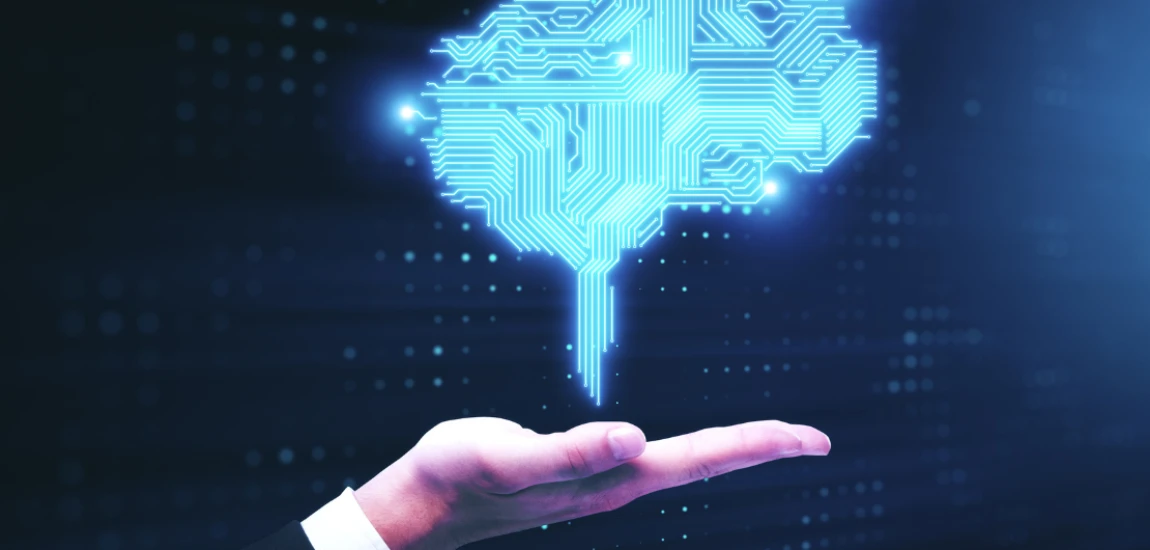
Human interaction with technology has evolved dramatically over the past century. From keyboards and touchscreens to voice assistants and gesture controls, each technological advancement has reduced the barriers between people and machines. However, a new frontier is emerging that could fundamentally transform digital communication: Brain-Computer Interface (BCI) platforms.
Brain-computer interfaces create a direct communication pathway between the human brain and external devices. Rather than relying on physical actions such as typing, speaking, or touching a screen, BCIs allow users to control technology using neural activity. This breakthrough has the potential to revolutionize healthcare, communication, education, entertainment, productivity, and countless other sectors.
Recent advances in artificial intelligence, neuroscience, machine learning, sensor technology, and neural engineering are accelerating the development of sophisticated BCI platforms. These systems are becoming more accurate, responsive, and accessible, bringing humanity closer to a future where thoughts can interact directly with digital systems.
As researchers and technology companies continue to push the boundaries of innovation, brain-computer interface platforms are emerging as one of the most transformative technologies of the twenty-first century. Their impact could redefine how humans communicate with machines and even with one another.
Understanding Brain-Computer Interface Platforms and Their Core Technologies

The Science Behind Brain-Computer Interfaces
Brain-computer interfaces function by capturing neural signals generated by brain activity and translating them into digital commands. These signals can be detected using various technologies, including electroencephalography (EEG), implanted neural sensors, and advanced neuroimaging systems.
The human brain constantly generates electrical impulses as neurons communicate with one another. BCI platforms interpret these signals using sophisticated algorithms capable of identifying patterns associated with thoughts, intentions, and actions. Once decoded, the information can be used to control computers, robotic devices, communication systems, and other digital technologies.
This direct connection eliminates many of the physical limitations associated with traditional interfaces and creates entirely new possibilities for human-machine interaction.
Components of Modern BCI Platforms
Modern brain-computer interface platforms consist of several interconnected components. Neural sensors collect brain activity data, signal-processing systems filter and analyze the information, artificial intelligence algorithms interpret neural patterns, and output devices execute the corresponding actions.
Each component must function with exceptional precision to ensure accurate communication between the user and the machine. Advances in sensor technology and machine learning have significantly improved the reliability and responsiveness of these systems.
As hardware becomes more compact and algorithms become more sophisticated, BCI platforms are moving closer to widespread practical adoption.
The Evolution of Human-Machine Communication
Human-machine communication has traditionally depended on physical interfaces such as keyboards, mice, and touchscreens. Brain-computer interfaces represent the next evolutionary step by allowing direct interaction through neural activity.
This shift could dramatically increase communication speed, reduce physical effort, and improve accessibility for individuals with disabilities. The ability to interact with technology through thought alone has the potential to transform how humans engage with digital environments in both personal and professional settings.
Revolutionizing Healthcare Through Neural Communication Technologies

Restoring Mobility and Independence
One of the most impactful applications of brain-computer interface platforms lies in healthcare. Individuals with paralysis, spinal cord injuries, and neurological disorders often face significant communication and mobility challenges.
BCI systems can enable these individuals to control wheelchairs, robotic limbs, and assistive devices using neural signals. By translating thoughts into actions, these technologies restore a degree of independence that would otherwise be difficult to achieve.
Researchers continue to improve the precision and responsiveness of neural control systems, offering new hope to millions of people worldwide.
Enhancing Communication for Neurological Patients
Patients affected by conditions such as amyotrophic lateral sclerosis (ALS), stroke, or severe motor impairments may lose the ability to speak or communicate effectively. Brain-computer interfaces provide alternative communication pathways by converting neural activity into text, speech, or digital commands.
These systems can dramatically improve quality of life by enabling individuals to express thoughts, communicate with caregivers, and participate more actively in daily activities.
As technology advances, communication speeds and accuracy rates are expected to improve significantly, making BCI-based communication more natural and efficient.
Supporting Cognitive Rehabilitation
BCI platforms are also being explored as tools for cognitive rehabilitation and mental health treatment. Researchers are investigating how neural feedback systems can assist with attention training, memory enhancement, and neurological recovery.
Real-time monitoring of brain activity allows personalized therapeutic interventions tailored to individual needs. These innovations may contribute to improved treatment outcomes and expanded rehabilitation opportunities for patients facing cognitive challenges.
Transforming Work, Education, and Digital Productivity

Creating Faster Human-Computer Interaction
Traditional computer interfaces require physical input methods that can limit speed and efficiency. Brain-computer interfaces have the potential to significantly accelerate digital interaction by enabling users to execute commands directly through thought.
Professionals working in complex environments could benefit from reduced interaction delays and more intuitive control systems. Tasks that currently require multiple steps may eventually be completed through simple neural commands.
This enhanced efficiency could transform industries ranging from engineering and design to finance and scientific research.
Personalized Learning Experiences
Education is another area where BCI technology may have a profound impact. Brain-computer interfaces can monitor cognitive engagement, attention levels, and learning patterns in real time.
Educators and intelligent learning systems could use this information to personalize educational content based on individual needs and learning styles. Adaptive learning environments may improve knowledge retention, student engagement, and overall educational outcomes.
Such advancements could create more effective and inclusive learning experiences for students of all ages.
Improving Remote Collaboration
The rise of remote work has increased demand for efficient digital communication tools. Future BCI platforms may enable more immersive collaboration experiences by allowing users to interact with digital environments and communication systems through neural input.
Enhanced virtual workspaces, intelligent collaboration tools, and seamless information exchange could improve productivity while reducing communication barriers in distributed teams.
These capabilities may redefine how organizations operate in increasingly digital workplaces.
Artificial Intelligence and the Evolution of Intelligent Neural Interfaces

AI as the Brain Behind BCI Systems
Artificial intelligence plays a central role in modern brain-computer interface platforms. Neural signals are highly complex and vary significantly among individuals. AI algorithms help decode these signals and translate them into meaningful commands.
Machine learning models continuously improve their accuracy by analyzing large datasets and adapting to user-specific neural patterns. This learning process enables BCI systems to become more responsive and personalized over time.
Without AI, the practical implementation of large-scale brain-computer interfaces would be significantly more challenging.
Real-Time Neural Interpretation
One of the most important advancements in BCI development is real-time neural signal interpretation. AI-powered systems can process massive amounts of neural data within milliseconds, enabling nearly instantaneous responses.
Real-time processing enhances user experience and creates more natural interactions between humans and machines. Faster response times are particularly important in applications involving mobility assistance, communication tools, and immersive digital environments.
As computing power continues to increase, neural interpretation capabilities will become even more sophisticated.
Adaptive Human-Machine Relationships
Future AI-driven BCI platforms may develop deeper levels of personalization. Intelligent systems could learn user preferences, behavioral patterns, and cognitive tendencies to create highly customized experiences.
This adaptive relationship between humans and machines could improve efficiency, convenience, and accessibility while enabling entirely new forms of interaction. Such developments may mark the beginning of a new era in intelligent computing.


Derek Baron, also known as "Wandering Earl," offers an authentic look at long-term travel. His blog contains travel stories, tips, and the realities of a nomadic lifestyle.
Derek Baron

Prev Post

Next Post