
Autonomous Ocean Exploration Systems and AI-Driven Deep-Sea Discovery Technologies
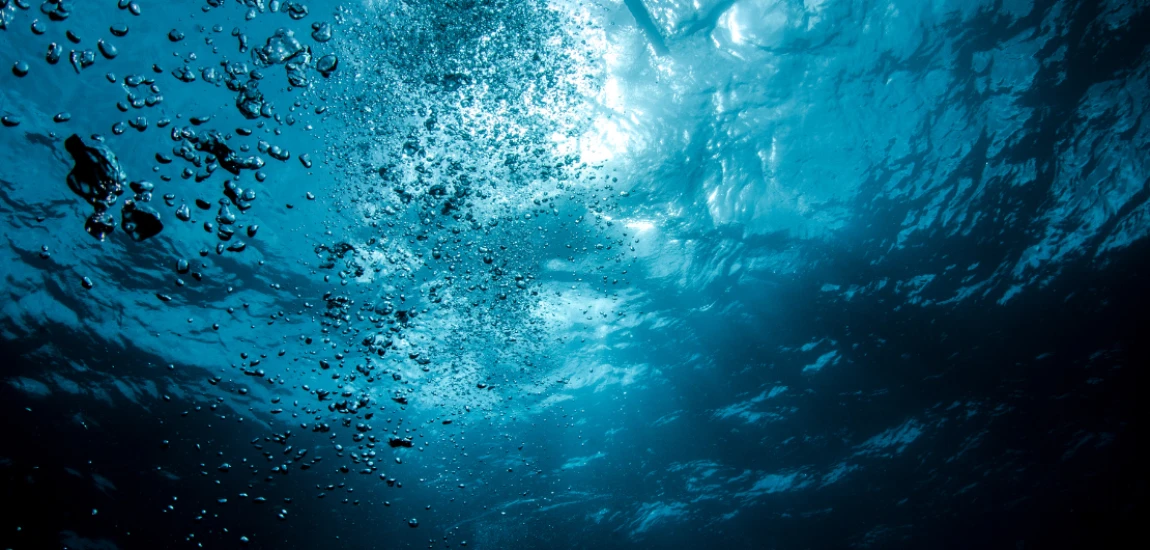
Despite covering more than seventy percent of Earth's surface, the ocean remains one of the least explored regions on the planet. Vast underwater landscapes, mysterious ecosystems, and countless marine species continue to exist beyond the reach of traditional exploration methods. Harsh environmental conditions, extreme pressures, limited visibility, and immense depths make deep-sea exploration both expensive and technically challenging.
Recent advances in autonomous ocean exploration systems and artificial intelligence are changing this reality. Sophisticated underwater vehicles, intelligent robotic platforms, and AI-powered analytical tools are enabling scientists to explore deeper, longer, and more efficiently than ever before. These technologies are not only improving our understanding of marine ecosystems but are also opening new opportunities for climate research, resource management, environmental conservation, and scientific discovery.
As the demand for ocean intelligence grows, AI-driven deep-sea discovery technologies are becoming essential tools for uncovering the secrets hidden beneath the waves. Their ability to operate independently, collect vast amounts of data, and make intelligent decisions in real time is revolutionizing the future of marine exploration.
The Evolution of Autonomous Ocean Exploration Systems

From Human-Led Missions to Intelligent Robotics
Ocean exploration has traditionally depended on research vessels, scuba divers, and remotely operated vehicles. While these methods have contributed significantly to marine science, they often involve high operational costs and substantial risks. Human limitations also restrict the duration and depth of underwater missions.
Autonomous ocean exploration systems overcome many of these challenges. Equipped with advanced sensors, navigation technologies, and onboard computing systems, these platforms can operate independently for extended periods. They can travel through remote ocean regions, collect valuable data, and return critical insights without requiring constant human supervision.
The transition from manual exploration to intelligent robotics has significantly expanded humanity's ability to study underwater environments. Researchers can now gather information from previously inaccessible locations while reducing operational risks and costs.
Key Components of Modern Exploration Systems
Modern autonomous exploration systems incorporate multiple technologies working together to ensure mission success. These include sonar imaging systems, underwater communication networks, navigation algorithms, environmental sensors, and artificial intelligence platforms.
Each component plays a critical role in helping autonomous vehicles understand their surroundings and respond to changing conditions. Advanced sensor arrays continuously collect environmental information, while AI algorithms analyze the data and guide navigation decisions.
This integration creates highly capable systems that can adapt to complex underwater environments and perform sophisticated exploration tasks with minimal human intervention.
Expanding Access to Deep-Sea Research
Autonomous systems are making deep-sea research more accessible to scientific institutions around the world. Lower operational costs and increased mission efficiency allow researchers to conduct more frequent and extensive exploration campaigns.
As technology continues to improve, autonomous exploration platforms are expected to become increasingly versatile and affordable. This broader accessibility will accelerate marine scientific discovery and contribute to a deeper understanding of the world's oceans.
AI-Powered Navigation and Decision-Making Beneath the Ocean

Intelligent Underwater Navigation
Navigation presents one of the greatest challenges in deep-sea exploration. GPS signals cannot penetrate seawater, making traditional positioning methods ineffective beneath the surface. Autonomous ocean exploration systems rely on artificial intelligence to navigate complex underwater environments safely and efficiently.
AI-powered navigation systems use data from sonar, inertial measurement units, acoustic positioning systems, and environmental sensors to determine location and movement. These systems continuously analyze environmental conditions and adjust routes accordingly.
This intelligent navigation capability enables underwater vehicles to explore difficult terrain, avoid obstacles, and complete missions with a high degree of accuracy.
Real-Time Environmental Adaptation
Deep-sea environments are highly dynamic. Ocean currents, geological formations, and changing environmental conditions can affect mission performance. AI-driven exploration systems can respond to these challenges in real time.
Machine learning algorithms analyze incoming data and make immediate adjustments to navigation paths and operational parameters. This adaptability allows autonomous vehicles to maintain mission objectives even in unpredictable conditions.
Real-time decision-making enhances mission safety, improves data quality, and increases the overall effectiveness of underwater exploration efforts.
Autonomous Mission Planning
Artificial intelligence is also transforming how exploration missions are designed and executed. AI systems can evaluate environmental data, identify areas of scientific interest, and optimize exploration routes before deployment.
During missions, autonomous platforms can modify objectives based on new discoveries or unexpected conditions. This flexibility allows researchers to maximize scientific value and improve exploration outcomes.
The ability to independently plan and execute complex missions represents a major advancement in ocean exploration technology.
Revolutionizing Deep-Sea Mapping and Geological Discovery

Creating High-Resolution Ocean Floor Maps
A large portion of the ocean floor remains poorly mapped despite decades of exploration efforts. Autonomous exploration systems equipped with advanced sonar and imaging technologies are helping scientists create detailed maps of underwater landscapes.
These high-resolution maps reveal underwater mountains, trenches, volcanic formations, and geological structures that were previously unknown. Accurate seafloor mapping supports scientific research, navigation safety, and resource management initiatives.
Improved mapping capabilities are contributing to a more comprehensive understanding of Earth's underwater geography.
Discovering Hidden Geological Features
AI-driven exploration technologies are enabling the discovery of geological features that may hold important scientific and economic value. Autonomous systems can identify hydrothermal vents, underwater volcanoes, mineral deposits, and tectonic formations with remarkable accuracy.
These discoveries provide valuable insights into Earth's geological processes and contribute to our understanding of planetary evolution. They also support research into deep-sea ecosystems that often thrive around unique geological environments.
The combination of AI analysis and autonomous exploration is accelerating the pace of geological discovery beneath the ocean.
Supporting Marine Resource Management
Detailed geological information plays a crucial role in managing marine resources responsibly. Governments and environmental organizations can use exploration data to assess resource availability while minimizing environmental impacts.
Accurate underwater mapping helps guide conservation efforts, marine spatial planning, and sustainable resource development. As demand for ocean resources grows, advanced exploration technologies will become increasingly important for balancing economic opportunities with environmental protection.
Advancing Marine Biodiversity Research and Conservation

Discovering New Marine Species
The deep ocean is home to countless species that remain unknown to science. Autonomous exploration systems are providing researchers with unprecedented access to these remote ecosystems.
High-definition cameras, biological sensors, and AI-powered image recognition tools enable the identification and classification of marine organisms in real time. Scientists can study biodiversity patterns and document previously undiscovered species more efficiently than ever before.
These discoveries contribute to a deeper understanding of marine life and highlight the importance of protecting fragile underwater ecosystems.
Monitoring Ecosystem Health
Healthy oceans are essential for global environmental stability. Autonomous exploration technologies allow researchers to continuously monitor ecosystem conditions and assess environmental changes over time.
Data collected by underwater vehicles can reveal shifts in species populations, habitat quality, water chemistry, and ecosystem dynamics. This information helps scientists identify environmental threats and develop effective conservation strategies.
Continuous monitoring also improves the ability to evaluate the success of marine protected areas and restoration projects.
Strengthening Ocean Conservation Efforts
Conservation initiatives depend on reliable environmental intelligence. AI-driven exploration systems provide the accurate and comprehensive data needed to support evidence-based decision-making.
Governments, conservation organizations, and researchers can use these insights to protect vulnerable habitats, combat illegal fishing activities, and address emerging environmental challenges. Enhanced monitoring capabilities strengthen global efforts to preserve marine biodiversity for future generations.


Shivya Nath authors "The Shooting Star," a blog that covers responsible and off-the-beaten-path travel. She writes about sustainable tourism and community-based experiences.
Shivya Nath

Prev Post

Next Post