
Bio-Inspired Robotics and Evolutionary Machine Design: Engineering the Future Through Nature
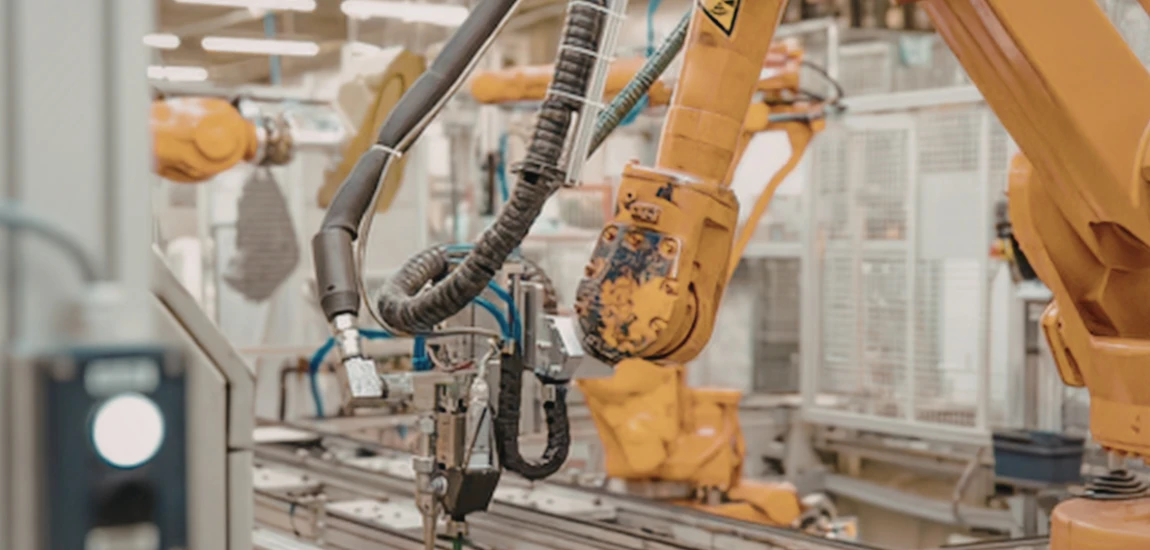
Bio-inspired robotics and evolutionary machine design are revolutionizing the way engineers and researchers approach the development of intelligent systems by drawing inspiration from nature’s time-tested designs and evolutionary processes. Instead of building machines solely based on rigid mechanical principles, scientists are increasingly looking at biological organisms—such as insects, animals, and even human physiology—to design robots that are more adaptable, efficient, and resilient. This approach combines artificial intelligence, robotics, and evolutionary algorithms to create systems capable of learning, evolving, and optimizing themselves over time. From robots that mimic the agility of cheetahs to drones inspired by bird flight and underwater machines modeled after fish, bio-inspired robotics is opening new frontiers in automation and problem-solving. Evolutionary machine design further enhances this by using computational techniques that simulate natural selection, allowing machines to iteratively improve their structure and behavior. As industries seek smarter, more flexible technologies, bio-inspired systems are becoming essential for tackling complex challenges in environments where traditional machines fall short, ultimately reshaping the future of robotics and intelligent engineering.
Understanding Bio-Inspired Robotics

What Is Bio-Inspired Robotics?
Bio-inspired robotics is a field of engineering that focuses on designing robots based on biological systems and natural behaviors. Instead of creating machines from scratch using purely mechanical concepts, engineers study how living organisms move, adapt, and survive in their environments, then replicate these mechanisms in robotic systems. This approach allows robots to achieve higher levels of efficiency, flexibility, and adaptability compared to traditional designs. For example, robots inspired by insects can navigate complex terrains, while those modeled after marine animals can move efficiently through water with minimal energy consumption. By leveraging millions of years of evolutionary optimization found in nature, bio-inspired robotics provides a powerful framework for creating advanced machines capable of operating in challenging and unpredictable environments.
Natural Systems as Design Blueprints
Nature serves as an extensive library of optimized solutions for engineering challenges. Biological systems have evolved over time to perform specific functions with remarkable efficiency, making them ideal models for robotic design. Engineers analyze features such as muscle structures, joint movements, and sensory systems to develop robots that can replicate similar capabilities. For instance, the structure of bird wings has influenced the design of drones, while the movement of snakes has inspired robots capable of navigating narrow spaces. These natural blueprints enable the creation of robots that are not only functional but also highly adaptable to different environments.
Advantages Over Traditional Robotics
Bio-inspired robots offer several advantages over conventional machines, particularly in terms of adaptability and efficiency. Traditional robots are often limited by rigid structures and predefined movements, whereas bio-inspired systems can adjust their behavior based on environmental conditions. This flexibility makes them suitable for applications such as search and rescue, exploration, and medical procedures. Additionally, these robots often consume less energy and require fewer resources, making them more sustainable and cost-effective in the long run.
Evolutionary Machine Design Explained

What Is Evolutionary Machine Design?
Evolutionary machine design is a computational approach that uses algorithms inspired by natural selection to create and optimize machines. Instead of manually designing every aspect of a robot, engineers use evolutionary algorithms to generate multiple design variations and evaluate their performance. The most successful designs are then selected and refined over successive iterations, leading to increasingly efficient and effective solutions. This process mimics the way organisms evolve in nature, allowing machines to improve over time without direct human intervention.
Role of Genetic Algorithms in Design
Genetic algorithms are a key component of evolutionary machine design, enabling the simulation of natural evolutionary processes. These algorithms work by encoding design parameters into a digital “genome,” which is then modified through processes such as mutation and crossover. By evaluating the performance of each iteration, the system can identify the most effective designs and use them as the basis for further optimization. This approach allows for the discovery of innovative solutions that may not be immediately apparent through traditional design methods.
Self-Optimization and Adaptation
One of the most significant benefits of evolutionary machine design is its ability to enable self-optimization. Machines can adapt their structure and behavior based on performance feedback, improving their efficiency and functionality over time. This capability is particularly valuable in dynamic environments where conditions change frequently, as it allows systems to remain effective without requiring constant human intervention.
Core Technologies Driving Bio-Inspired Robotics

Artificial Intelligence and Machine Learning
Artificial intelligence and machine learning are essential for enabling bio-inspired robots to learn from their environment and improve their performance. These technologies allow robots to process data, recognize patterns, and make decisions in real time. By integrating AI, bio-inspired robots can adapt to new situations, enhancing their versatility and effectiveness across various applications.
Sensors and Actuators Mimicking Biology
Sensors and actuators play a crucial role in replicating biological functions in robotic systems. Advanced sensors allow robots to perceive their surroundings, while actuators enable movement and interaction. By mimicking biological systems, such as muscle movements and sensory perception, these components enhance the realism and functionality of bio-inspired robots.
Soft Robotics and Flexible Materials
Soft robotics is an emerging field that focuses on creating robots using flexible and deformable materials. Inspired by organisms such as octopuses and worms, soft robots can adapt their shape and movement to navigate complex environments. This flexibility makes them ideal for applications such as medical procedures and exploration in confined spaces.
Applications Across Industries

Healthcare and Medical Robotics
Bio-inspired robotics is transforming healthcare by enabling the development of advanced medical devices and surgical robots. These systems can perform precise procedures, assist in rehabilitation, and improve patient outcomes. For example, robotic exoskeletons inspired by human movement are helping individuals regain mobility.
Search, Rescue, and Exploration
Bio-inspired robots are particularly effective in search and rescue operations, where they can navigate challenging environments such as collapsed buildings or underwater locations. Their adaptability and resilience make them invaluable for missions that require flexibility and precision.
Industrial Automation and Manufacturing
In industrial settings, bio-inspired robots are being used to improve efficiency and productivity. These systems can adapt to different tasks and environments, making them suitable for dynamic manufacturing processes. Their ability to learn and evolve ensures continuous improvement in performance.


Ben Schlappig runs "One Mile at a Time," focusing on aviation and frequent flying. He offers insights on maximizing travel points, airline reviews, and industry news.
Ben Schlappig
Prev Post

Next Post