
Decentralized Machine Intelligence and Distributed AI Governance Models: Building Trust in the Future of AI
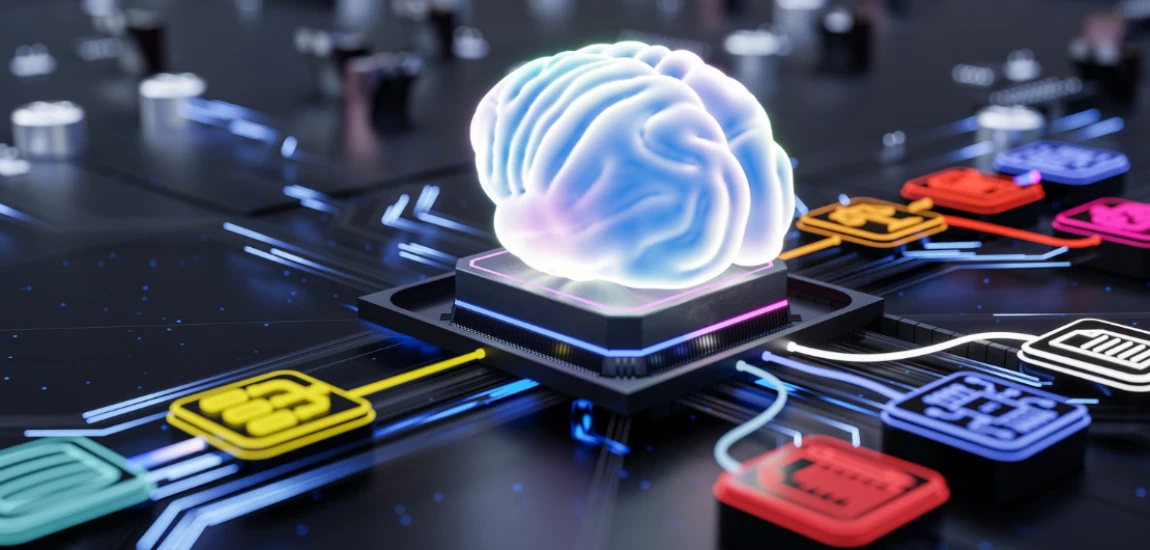
Decentralized machine intelligence and distributed AI governance models are emerging as transformative approaches in the evolution of artificial intelligence, addressing critical challenges related to trust, transparency, scalability, and control. Traditional AI systems often rely on centralized architectures where data, computation, and decision-making are concentrated within a single entity or organization. While effective in many cases, this centralized approach raises concerns about data privacy, bias, monopolization, and system vulnerabilities. In contrast, decentralized AI distributes intelligence across multiple nodes, devices, or networks, enabling collaborative learning, shared decision-making, and improved resilience. Combined with distributed governance models, these systems ensure that no single authority has complete control, promoting fairness, accountability, and inclusivity. Technologies such as blockchain, federated learning, and edge computing play a crucial role in enabling decentralized intelligence, allowing systems to process data locally while still contributing to a global learning framework. As industries increasingly adopt decentralized AI, they are unlocking new possibilities for secure data sharing, autonomous collaboration, and ethical AI deployment. This blog explores the key concepts, technologies, applications, benefits, challenges, and future trends of decentralized machine intelligence and distributed AI governance, offering valuable insights into how these innovations are shaping the future of intelligent systems.
Understanding Decentralized Machine Intelligence

What Is Decentralized Machine Intelligence?
Decentralized machine intelligence refers to AI systems that operate across distributed networks rather than relying on a single centralized system. In this model, multiple nodes—such as devices, servers, or edge systems—collaborate to process data, train models, and make decisions. Each node contributes to the overall intelligence of the system while maintaining a degree of independence, ensuring that no single point of failure exists. This approach enhances system resilience and allows for more efficient data processing, especially in environments where real-time responses are critical.
Core Principles of Distributed Intelligence
The foundation of decentralized machine intelligence lies in collaboration, autonomy, and data locality. Collaboration enables multiple nodes to share insights and improve collective performance, while autonomy allows individual nodes to make decisions based on local data. Data locality ensures that sensitive information remains close to its source, reducing the need for centralized data storage and minimizing privacy risks. Together, these principles create a system that is both efficient and secure, capable of handling complex tasks in dynamic environments.
Centralized vs Decentralized AI Systems
The shift from centralized to decentralized AI represents a significant evolution in system architecture. Centralized systems rely on large data centers and centralized control, which can lead to bottlenecks, scalability issues, and security vulnerabilities. In contrast, decentralized systems distribute computation and decision-making across multiple nodes, improving scalability and resilience. This decentralized approach also reduces dependency on a single entity, promoting a more open and equitable AI ecosystem.
Distributed AI Governance Models Explained

What Are Distributed AI Governance Models?
Distributed AI governance models are frameworks designed to manage and regulate decentralized AI systems. These models ensure that decision-making processes are transparent, accountable, and aligned with ethical standards. Unlike traditional governance structures, which rely on centralized authority, distributed governance involves multiple stakeholders, including developers, users, and organizations, who collectively oversee the system’s operation.
Role of Blockchain in AI Governance
Blockchain technology plays a critical role in enabling distributed AI governance by providing a secure and transparent platform for data sharing and decision-making. Through decentralized ledgers, blockchain ensures that all transactions and changes are recorded and verifiable, reducing the risk of manipulation or fraud. Smart contracts can be used to automate governance processes, ensuring that rules are enforced consistently across the network.
Decentralized Decision-Making Mechanisms
In distributed governance models, decision-making is often achieved through consensus mechanisms, where multiple participants validate and approve actions. This approach ensures that decisions are not controlled by a single entity, promoting fairness and accountability. By involving diverse stakeholders, decentralized governance models create more robust and inclusive systems.
Key Technologies Powering Decentralized AI

Federated Learning and Collaborative Models
Federated learning is a key technology that enables decentralized AI by allowing multiple devices to train a shared model without exchanging raw data. Each device processes its local data and shares only model updates, ensuring privacy and reducing data transfer requirements. This approach is particularly valuable in industries such as healthcare and finance, where data sensitivity is a major concern.
Edge Computing and Distributed Networks
Edge computing complements decentralized AI by enabling data processing at the source rather than relying on centralized servers. This reduces latency and improves system efficiency, making it ideal for real-time applications. Distributed networks further enhance this capability by connecting multiple edge devices, creating a cohesive system that can handle complex tasks.
Blockchain and Smart Contracts
Blockchain technology provides the infrastructure for secure and transparent data sharing in decentralized AI systems. Smart contracts automate processes such as data validation, access control, and reward distribution, ensuring that the system operates efficiently and fairly. These technologies work together to create a robust foundation for decentralized machine intelligence.
Applications Across Industries

Healthcare and Secure Data Sharing
Decentralized AI is transforming healthcare by enabling secure data sharing and collaborative research. Hospitals and research institutions can share insights without exposing sensitive patient data, improving diagnosis and treatment outcomes. This approach enhances collaboration while maintaining privacy and compliance with regulations.
Finance and Fraud Detection
In the financial sector, decentralized AI systems are used to detect fraud and manage risk. By analyzing data across multiple sources, these systems can identify patterns and anomalies more effectively than centralized systems. The use of blockchain further enhances security and transparency, reducing the risk of fraud.
Smart Cities and IoT Ecosystems
Decentralized AI plays a crucial role in the development of smart cities, where interconnected devices and systems work together to optimize resources and improve quality of life. From traffic management to energy distribution, these systems rely on distributed intelligence to operate efficiently and respond to real-time conditions.


Derek Baron, also known as "Wandering Earl," offers an authentic look at long-term travel. His blog contains travel stories, tips, and the realities of a nomadic lifestyle.
Derek Baron

Prev Post

Next Post