
Space-Based Solar Energy Architectures and Global Wireless Power Distribution Networks
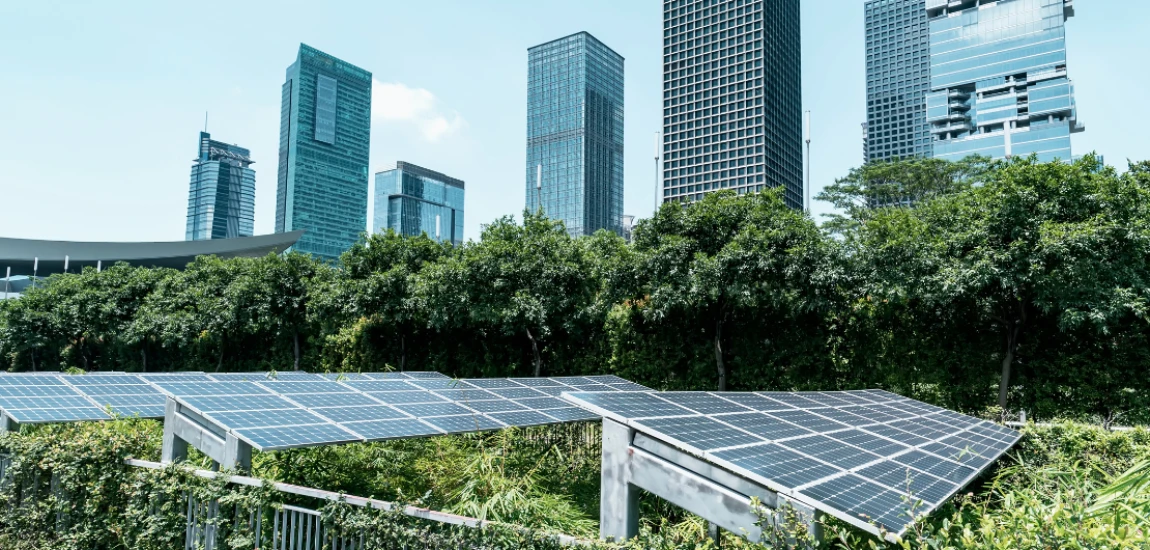
As global energy demand continues to rise, governments, researchers, and technology companies are searching for sustainable solutions capable of providing reliable, large-scale, and environmentally friendly power generation. While terrestrial renewable energy sources such as solar and wind have significantly contributed to reducing carbon emissions, they still face limitations related to weather conditions, seasonal variations, land availability, and energy storage challenges. These limitations have sparked growing interest in one of the most ambitious energy concepts ever proposed: space-based solar energy architectures.
Space-based solar power (SBSP) systems are designed to collect solar energy in space, where sunlight is available almost continuously and is not affected by clouds, atmospheric interference, or nighttime conditions. The captured energy can then be converted into electromagnetic waves and transmitted wirelessly to receiving stations on Earth. This approach has the potential to provide uninterrupted clean energy on a global scale.
Global wireless power distribution networks complement this vision by enabling efficient transmission of energy across vast distances without relying on traditional power lines. Advances in satellite technology, artificial intelligence, robotics, wireless energy transmission, and autonomous space infrastructure are making this futuristic concept increasingly feasible.
As the world transitions toward sustainable energy systems, space-based solar energy architectures may become a transformative solution capable of supporting economic growth, energy security, environmental sustainability, and universal electricity access.
Understanding Space-Based Solar Energy Architectures

The Concept Behind Space Solar Power
The idea of collecting solar energy in space has existed for decades. Unlike ground-based solar farms that experience interruptions due to weather and the Earth's rotation, satellites positioned in orbit can receive sunlight almost continuously.
Solar collectors mounted on large orbital platforms capture solar radiation and convert it into electrical energy. This electricity is then transformed into microwave or laser energy for transmission to Earth.
The ability to harvest solar power without atmospheric interference significantly increases overall energy generation efficiency.
Components of Space-Based Energy Systems
A complete space-based solar energy architecture consists of several interconnected components. Solar collection arrays gather sunlight and convert it into usable electrical power.
Power conversion systems transform electricity into wireless transmission signals. Communication and control systems manage operations and optimize performance.
Ground-based receiving stations, known as rectennas, capture transmitted energy and convert it back into electricity for distribution through existing energy networks.
Advantages Over Traditional Renewable Energy
Space-based solar energy offers several advantages compared to terrestrial renewable energy systems.
Continuous solar exposure enables significantly higher energy output. Large orbital arrays avoid land-use conflicts associated with ground-based infrastructure. Additionally, wireless transmission enables energy delivery to remote regions lacking traditional power infrastructure.
These benefits position space solar power as a potentially transformative renewable energy technology.
Wireless Power Transmission Technologies

Microwave-Based Energy Transmission
Microwave transmission is one of the most widely studied approaches for wireless power delivery from space.
In this method, electrical energy generated by orbital solar stations is converted into microwave signals and directed toward receiving stations on Earth. Advanced beam-forming technologies ensure accurate targeting and efficient transmission.
Microwave systems are attractive because they can operate effectively under various atmospheric conditions.
Laser Power Beaming Systems
Laser-based wireless energy transmission offers another promising solution.
Highly focused laser beams can deliver energy with exceptional precision. These systems may be particularly useful for powering remote installations, autonomous vehicles, and isolated infrastructure.
However, challenges related to atmospheric interference and safety considerations continue to drive ongoing research and development efforts.
Intelligent Energy Routing Networks
Future wireless power systems will likely rely on artificial intelligence to optimize energy distribution.
AI algorithms can monitor energy demand, transmission efficiency, weather conditions, and infrastructure status in real time. Intelligent routing ensures that electricity is delivered where it is needed most while minimizing losses.
Smart energy management enhances overall system performance and reliability.
Orbital Infrastructure and Autonomous Space Energy Platforms

Building Energy Facilities in Space
Creating large-scale solar power stations in orbit requires advanced space infrastructure capabilities.
Future energy platforms may consist of modular components assembled in space using autonomous robotic systems. These structures could span several kilometers and generate gigawatts of electricity.
Advances in launch technologies and in-space manufacturing are making such projects increasingly feasible.
Robotics and Autonomous Maintenance
Maintaining large orbital energy facilities presents significant challenges. Human intervention in space remains expensive and complex.
Autonomous robots equipped with artificial intelligence can inspect, repair, and upgrade infrastructure without direct human involvement. These systems improve reliability while reducing operational costs.
Robotic maintenance is expected to become a critical component of future space energy ecosystems.
AI-Driven Space Operations
Artificial intelligence will play a central role in managing orbital energy platforms.
AI systems can monitor equipment health, optimize energy production, coordinate wireless transmission activities, and predict maintenance requirements. Autonomous decision-making improves efficiency and operational resilience.
Intelligent control systems are essential for supporting large-scale space energy operations.
Global Energy Distribution and Sustainability Benefits

Expanding Energy Access Worldwide
More than a billion people worldwide still face challenges related to reliable electricity access.
Global wireless power distribution networks could deliver energy to underserved regions without requiring extensive physical infrastructure. Remote communities, island nations, and disaster-affected areas could benefit significantly from this capability.
Expanded energy access supports economic development and improved quality of life.
Supporting Carbon Neutrality Goals
Space-based solar energy generates electricity without producing greenhouse gas emissions during operation.
By providing continuous renewable energy, these systems can reduce dependence on fossil fuels and support global decarbonization efforts. Integration with existing renewable energy sources further strengthens sustainability strategies.
Clean energy generation is a major advantage of orbital solar power systems.
Reducing Pressure on Terrestrial Resources
Large-scale renewable
installations often require significant land, water, and infrastructure resources.
Space-based systems minimize these requirements by relocating energy production to orbit. This approach preserves valuable land for agriculture, conservation, and urban development.
Resource efficiency contributes to long-term environmental sustainability.


Anil Polat, behind the blog "FoxNomad," combines technology and travel. A computer security engineer by profession, he focuses on the tech aspects of travel.
Anil Polat

Prev Post

Next Post