
Bioelectronic Interface Platforms and the Future of Intelligent Human–Machine Integration
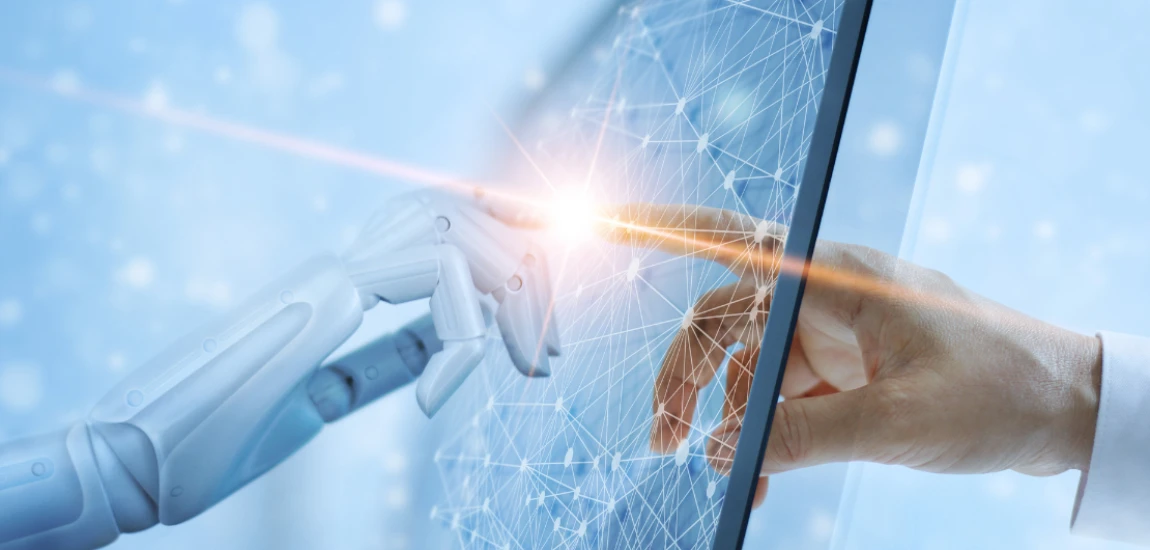
The relationship between humans and machines has evolved significantly over the past century. From mechanical tools and industrial automation to smartphones, wearable devices, and artificial intelligence, technology has become deeply integrated into everyday life. However, the next stage of innovation goes far beyond touchscreens and voice assistants. Scientists and engineers are now developing systems that enable direct communication between biological tissues and electronic devices, creating a future where humans and machines interact more naturally, intelligently, and efficiently than ever before.
At the heart of this transformation are Bioelectronic Interface Platforms. These advanced systems combine bioelectronics, neuroscience, artificial intelligence, biosensors, flexible electronics, and wireless communication technologies to establish seamless connections between the human body and intelligent machines. Instead of relying solely on keyboards, touchscreens, or voice commands, bioelectronic interfaces interpret biological signals such as neural activity, muscle movements, electrical impulses, and physiological responses to control digital systems or provide real-time biological feedback.
The potential applications are extraordinary. From restoring movement for individuals with paralysis and improving personalized healthcare to enabling intelligent prosthetics, brain-computer interfaces, wearable medical devices, and advanced robotics, Bioelectronic Interface Platforms promise to redefine human capabilities. As these technologies continue to mature, they will become fundamental components of future healthcare systems, industrial automation, education, entertainment, and human augmentation. This article explores the technologies behind bioelectronic interfaces, their applications, benefits, challenges, and their role in shaping the future of intelligent human–machine integration.
Understanding Bioelectronic Interface Platforms

Connecting Biology with Digital Intelligence
Bioelectronic Interface Platforms are designed to establish direct communication between living biological systems and electronic devices. Unlike conventional interfaces that depend on physical interaction through buttons, keyboards, or touchscreens, bioelectronic systems capture electrical and biochemical signals generated naturally by the human body.
Neurons communicate through electrical impulses, muscles produce measurable electrical activity, and organs generate continuous physiological signals. Advanced biosensors detect these signals and convert them into digital information that artificial intelligence algorithms can analyze and interpret. This creates a bidirectional communication pathway where machines understand biological activity while also delivering useful feedback or therapeutic stimulation to the human body.
By combining biology with digital intelligence, these platforms create more intuitive interactions between people and technology. Users can control external devices using thought patterns, muscle activity, or biological responses, opening entirely new possibilities for healthcare, accessibility, and intelligent automation.
The Evolution from Medical Devices to Intelligent Systems
Bioelectronic technologies initially emerged in medical applications such as pacemakers, cochlear implants, deep brain stimulators, and neuroprosthetics. These devices demonstrated that electronic systems could safely interact with biological tissues to restore or improve human function.
Modern Bioelectronic Interface Platforms extend far beyond traditional medical devices by integrating artificial intelligence, cloud computing, machine learning, and wireless connectivity. Rather than simply delivering electrical stimulation, intelligent platforms continuously monitor physiological signals, learn individual biological patterns, predict health changes, and adapt their responses automatically.
Wearable biosensors monitor heart activity, glucose levels, oxygen saturation, and neurological signals while AI analyzes this information in real time. Brain-computer interfaces allow users to operate digital systems without physical movement. Smart prosthetic limbs respond naturally to muscle activity, enabling more lifelike movement and greater independence.
This evolution transforms bioelectronic devices from isolated medical tools into intelligent systems capable of supporting continuous human-machine collaboration.
Building the Foundation for Human–Machine Integration
The long-term vision of Bioelectronic Interface Platforms extends beyond healthcare. Future systems will enable seamless interaction between humans and intelligent environments, autonomous robots, virtual reality platforms, smart homes, and advanced communication networks.
Flexible electronics, implantable sensors, wireless communication, edge computing, and artificial intelligence work together to create adaptive interfaces that continuously learn from users. Instead of requiring humans to adapt to technology, these intelligent systems adapt to individual biological characteristics and behavioral preferences.
This personalized interaction improves usability, accessibility, and overall system performance while laying the foundation for future human augmentation technologies capable of enhancing physical and cognitive abilities.
Core Technologies Behind Intelligent Human–Machine Integration

Artificial Intelligence and Machine Learning
Artificial intelligence serves as the computational brain of Bioelectronic Interface Platforms. Biological signals are often highly complex, variable, and influenced by numerous physiological factors. AI algorithms analyze enormous volumes of sensor data to recognize meaningful patterns while filtering out irrelevant noise.
Machine learning models continuously improve their accuracy by learning from each user's unique biological characteristics. Neural signals, muscle activity, heart rhythms, and physiological responses become increasingly easier for AI to interpret over time, enabling highly personalized interactions.
These intelligent systems support numerous applications, including medical diagnosis, rehabilitation, robotic control, emotion recognition, adaptive prosthetics, and personalized healthcare monitoring. As AI models become more sophisticated, bioelectronic platforms will deliver faster, more reliable, and increasingly autonomous decision-making capabilities.
Advanced Biosensors and Flexible Electronics
Highly sensitive biosensors form the physical connection between biological systems and electronic platforms. These miniature devices detect electrical, chemical, mechanical, and biochemical signals generated throughout the human body with exceptional accuracy.
Flexible electronic materials significantly improve user comfort by conforming naturally to skin, muscles, or internal organs. Wearable patches, implantable devices, electronic textiles, and stretchable sensors allow continuous monitoring without restricting normal movement.
These technologies support long-term health monitoring, neurological assessment, cardiovascular analysis, metabolic tracking, and rehabilitation therapy. Continuous improvements in miniaturization and biocompatible materials are making bioelectronic devices smaller, safer, and more reliable for long-term use.
Wireless Communication, Edge Computing, and Cloud Integration
Modern Bioelectronic Interface Platforms rely on secure wireless communication to exchange information between sensors, wearable devices, smartphones, cloud platforms, and healthcare providers. Real-time connectivity enables continuous monitoring while reducing the need for frequent hospital visits.
Edge computing processes biological information locally, minimizing latency for applications requiring immediate responses such as robotic prosthetics, neurological stimulation, or emergency medical alerts. Cloud computing complements edge processing by storing long-term health records, supporting large-scale AI analysis, and enabling remote healthcare services.
Together, these technologies create an intelligent ecosystem where biological information flows securely between devices, healthcare professionals, and AI systems, providing faster diagnosis, personalized treatment recommendations, and continuous improvements in human–machine integration.
Applications of Bioelectronic Interface Platforms Across Industries

Revolutionizing Healthcare and Personalized Medicine
Healthcare is one of the most significant beneficiaries of Bioelectronic Interface Platforms. Hospitals, research institutions, and medical technology companies are increasingly adopting bioelectronic systems to improve diagnosis, treatment, rehabilitation, and long-term patient care. These platforms continuously monitor physiological signals such as heart activity, brain waves, muscle movements, blood glucose levels, and oxygen saturation, providing healthcare professionals with real-time insights into patient health.
Artificial intelligence analyzes biological data to detect abnormalities earlier than traditional diagnostic methods. Wearable and implantable bioelectronic devices can identify irregular heart rhythms, monitor neurological disorders, track chronic diseases, and even predict potential medical emergencies before symptoms become severe. This proactive approach allows physicians to deliver personalized treatment plans while reducing hospital admissions and healthcare costs.
Bioelectronic Interface Platforms also support regenerative medicine, smart drug delivery systems, robotic surgery, and rehabilitation technologies. Intelligent prosthetic limbs respond naturally to muscle signals, while brain-computer interfaces help restore communication and mobility for individuals affected by paralysis or neurological disorders. As precision medicine continues to advance, bioelectronics will become a cornerstone of patient-centered healthcare.
Human Augmentation and Intelligent Prosthetics
Beyond traditional medical treatments, Bioelectronic Interface Platforms are opening new possibilities for human augmentation. Advanced prosthetic limbs equipped with biosensors and AI algorithms can interpret electrical signals generated by muscles, enabling highly natural and intuitive movement. Users experience greater control, faster response times, and improved functionality compared to conventional prosthetic technologies.
Researchers are also developing wearable exoskeletons that enhance strength, endurance, and mobility for individuals with physical disabilities or those performing physically demanding work. Brain-computer interfaces allow users to operate robotic devices, computers, or communication systems using neural activity alone, significantly improving independence for people with severe motor impairments.
These technologies are expanding into sports science, occupational safety, military research, and industrial robotics. Intelligent human augmentation systems may eventually improve physical performance, cognitive capabilities, and workplace productivity while maintaining high levels of safety and adaptability.
Industrial Automation and Smart Robotics
Industries are increasingly integrating Bioelectronic Interface Platforms into manufacturing, logistics, and collaborative robotics. Workers equipped with wearable biosensors can interact more efficiently with intelligent machines while maintaining optimal health and safety.
Bioelectronic systems monitor fatigue, stress, muscle activity, and cognitive workload in real time. Artificial intelligence uses this information to optimize work schedules, reduce injury risks, and improve overall productivity. Collaborative robots can respond dynamically to human movements, allowing safer and more efficient cooperation between workers and automated systems.
In advanced manufacturing environments, operators may control robotic equipment through bioelectronic interfaces, reducing physical effort while increasing precision. As Industry 5.0 continues evolving, intelligent human-machine collaboration will become an essential component of future industrial ecosystems.
Benefits of Intelligent Human–Machine Integration

Improved Healthcare Outcomes and Quality of Life
One of the greatest advantages of Bioelectronic Interface Platforms is their ability to improve healthcare outcomes. Continuous physiological monitoring enables early disease detection, personalized treatment, and more effective long-term management of chronic conditions.
Patients benefit from faster diagnoses, fewer hospital visits, and greater independence through wearable monitoring systems and intelligent medical devices. Individuals recovering from injuries or neurological disorders receive adaptive rehabilitation programs tailored to their specific biological responses, improving recovery rates while enhancing overall quality of life.
Healthcare providers also gain access to more accurate patient data, enabling evidence-based decision-making and better coordination between medical professionals.
Enhanced Human Performance and Accessibility
Bioelectronic interfaces significantly improve accessibility for individuals with disabilities by enabling more natural interaction with digital systems and assistive technologies. Brain-computer interfaces, smart prosthetics, and adaptive communication devices restore independence while expanding opportunities for education, employment, and social participation.
For healthy individuals, bioelectronic technologies support enhanced learning, improved workplace safety, personalized fitness monitoring, and cognitive assistance through intelligent wearable devices. Continuous biological feedback helps users optimize performance while maintaining physical and mental well-being.
These capabilities create more inclusive technological environments where digital systems adapt to human needs rather than requiring humans to adapt to technology.
Data-Driven Decision-Making and Preventive Care
Continuous biological monitoring generates valuable datasets that support preventive healthcare and scientific research. Artificial intelligence identifies subtle physiological changes long before visible symptoms appear, enabling earlier medical intervention and reducing healthcare costs.
Organizations also benefit from aggregated health insights that improve workplace wellness programs, occupational safety strategies, and public health planning. Researchers use anonymized biological datasets to study disease progression, evaluate treatment effectiveness, and develop innovative medical technologies.
As predictive healthcare becomes increasingly important, Bioelectronic Interface Platforms will provide the real-time intelligence necessary for more proactive and personalized medical care.


Shivya Nath authors "The Shooting Star," a blog that covers responsible and off-the-beaten-path travel. She writes about sustainable tourism and community-based experiences.
Shivya Nath
Prev Post

Next Post