
Autonomous Underwater Robotics Systems and Marine Ecosystem Monitoring Frameworks
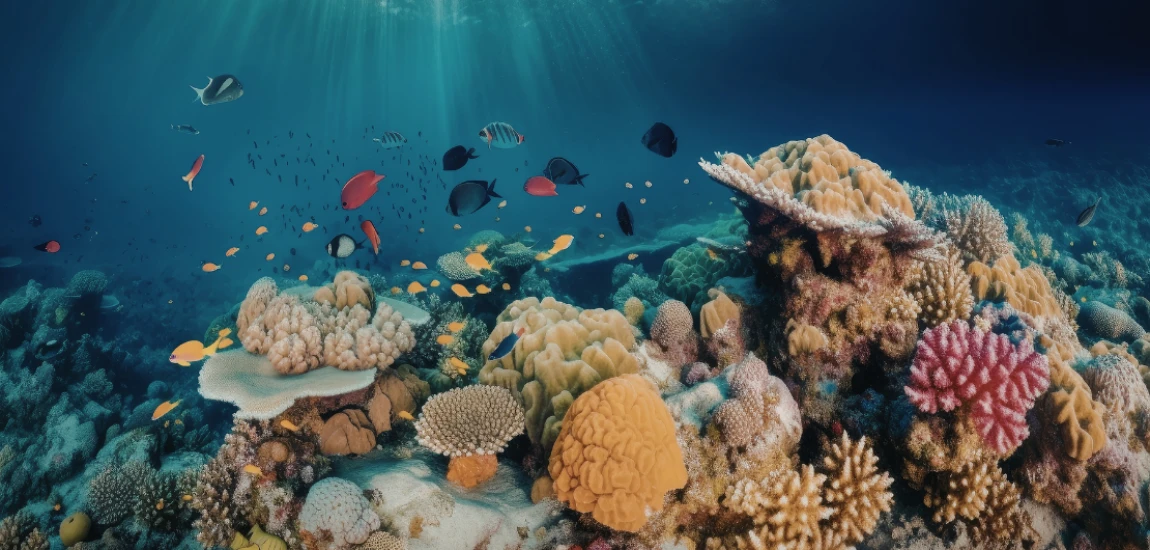
The world’s oceans cover more than seventy percent of the Earth’s surface, yet a large portion of underwater ecosystems remains unexplored. Marine environments play a critical role in regulating climate, supporting biodiversity, and sustaining global economies through fisheries, transportation, and energy production. However, oceans are increasingly threatened by pollution, climate change, overfishing, coral reef destruction, and habitat degradation.
Traditional marine exploration and monitoring methods often rely on human divers, research vessels, and manually operated equipment, which can be expensive, risky, and limited in operational range. To address these challenges, scientists and engineers are developing autonomous underwater robotics systems and advanced marine ecosystem monitoring frameworks capable of operating efficiently in deep-sea and hazardous underwater environments.
These intelligent underwater systems combine robotics, artificial intelligence, machine learning, sonar imaging, IoT connectivity, and advanced environmental sensing technologies to monitor marine ecosystems in real time. Autonomous underwater vehicles, robotic submarines, and AI-powered monitoring platforms can collect valuable environmental data, map ocean floors, analyze marine biodiversity, and support underwater infrastructure maintenance with minimal human intervention.
Marine ecosystem monitoring frameworks further enhance conservation and research efforts by integrating underwater robotics with cloud computing, predictive analytics, satellite communication systems, and intelligent environmental management platforms.
In this blog, we will explore the technologies, benefits, applications, challenges, and future opportunities of autonomous underwater robotics systems while understanding how intelligent marine ecosystem monitoring frameworks are transforming ocean exploration and environmental sustainability.
Understanding Autonomous Underwater Robotics Systems

The Evolution of Underwater Robotics
Underwater robotics has evolved dramatically over the past few decades. Early underwater exploration relied primarily on manned submarines and remotely operated vehicles controlled directly by human operators. While these technologies enabled important discoveries, they often faced limitations related to operational depth, communication delays, and human safety risks.
Modern autonomous underwater robotics systems use advanced artificial intelligence, machine learning, and adaptive navigation technologies to operate independently in complex marine environments. These systems can perform underwater exploration, environmental monitoring, infrastructure inspection, and scientific research with minimal human supervision.
Autonomous underwater vehicles, commonly known as AUVs, are equipped with sophisticated sensors, cameras, sonar systems, and AI-powered navigation algorithms. They can travel across vast ocean regions, collect environmental data, and adapt to changing underwater conditions in real time.
The development of intelligent underwater robotics is significantly expanding humanity’s ability to study and protect marine ecosystems more efficiently than ever before.
Artificial Intelligence and Autonomous Navigation
Artificial intelligence plays a central role in enabling autonomous underwater operations. AI-powered underwater robots use machine learning algorithms and computer vision systems to navigate complex underwater terrain, identify marine species, and avoid obstacles autonomously.
Traditional GPS systems do not function effectively underwater, so autonomous robots rely on sonar mapping, acoustic positioning systems, inertial navigation technologies, and environmental sensing to determine their location and movement.
Machine learning models continuously improve navigation accuracy by analyzing environmental data and adapting to changing ocean conditions such as currents, visibility, and pressure variations.
AI-driven underwater robotics also support autonomous decision-making capabilities. These systems can adjust mission objectives, optimize exploration routes, and respond dynamically to unexpected underwater events without direct human control.
Advanced Sensors and Data Collection Technologies
Autonomous underwater robotics systems rely heavily on advanced sensing technologies to collect accurate marine data. High-resolution sonar imaging systems help robots map underwater terrain, identify objects, and analyze seabed structures.
Environmental sensors monitor water temperature, salinity, oxygen levels, pH balance, pollution levels, and marine biodiversity conditions continuously. Some robotic systems are also equipped with biological sampling tools for collecting microorganisms, sediment samples, and marine DNA data.
Optical cameras and AI-powered imaging systems allow underwater robots to document coral reef health, fish populations, and deep-sea ecosystems in real time.
The combination of intelligent sensors and robotics creates highly effective marine data collection systems capable of supporting scientific research and environmental conservation initiatives.
Marine Ecosystem Monitoring Frameworks and Intelligent Ocean Analytics

Real-Time Marine Data Monitoring
Marine ecosystem monitoring frameworks are designed to analyze underwater environmental conditions continuously using interconnected sensor networks and intelligent analytics platforms. These systems integrate underwater robotics, satellite communication, cloud computing, and AI-driven data analysis technologies into unified monitoring infrastructures.
Real-time monitoring systems collect large volumes of environmental data from oceans, coral reefs, coastal regions, and deep-sea ecosystems. AI-powered analytics platforms process this information instantly to identify ecological changes, pollution risks, and biodiversity trends.
Continuous marine monitoring enables scientists and environmental organizations to detect ecosystem degradation early and implement conservation measures more effectively.
These intelligent monitoring frameworks provide valuable insights into ocean health, climate change impacts, and marine biodiversity patterns worldwide.
Cloud Computing and Ocean Data Analytics
The massive amount of data generated by underwater robotics systems requires advanced computational infrastructure for processing and analysis. Cloud computing platforms provide scalable storage and high-performance analytics capabilities for marine ecosystem monitoring systems.
AI-driven ocean analytics platforms analyze environmental data using predictive models, machine learning algorithms, and real-time visualization tools. Scientists can identify long-term ecological trends, monitor species migration patterns, and predict environmental risks more accurately.
Cloud-based marine monitoring systems also support international research collaboration by enabling data sharing between universities, environmental agencies, and conservation organizations globally.
Advanced analytics improve marine resource management and support evidence-based environmental policy decisions.
IoT Connectivity and Smart Ocean Infrastructure
Internet of Things technology is becoming increasingly important in marine monitoring frameworks. Connected underwater sensors, smart buoys, autonomous robots, and ocean observation stations form intelligent marine IoT networks capable of collecting environmental data continuously.
These interconnected systems communicate through acoustic networks, underwater wireless communication technologies, and satellite links to transmit data efficiently.
Smart ocean infrastructure also supports real-time monitoring of shipping routes, offshore energy platforms, fisheries, and coastal environments.
The integration of IoT with autonomous underwater robotics enables highly adaptive and scalable marine ecosystem monitoring systems capable of supporting global ocean sustainability initiatives.
Benefits of Autonomous Underwater Robotics Systems

Improved Ocean Exploration and Scientific Research
One of the greatest advantages of autonomous underwater robotics systems is their ability to explore regions of the ocean that are difficult or dangerous for humans to access. Deep-sea trenches, polar waters, and underwater volcanic environments can now be studied more safely and efficiently using intelligent robotic systems.
Autonomous robots can operate for extended periods without requiring direct human supervision, significantly increasing exploration capabilities and research efficiency.
AI-powered underwater systems also provide more accurate and comprehensive environmental data compared to traditional exploration methods.
These technologies are helping scientists better understand marine ecosystems, underwater geology, climate patterns, and biodiversity dynamics across global oceans.
Enhanced Marine Conservation and Environmental Protection
Marine ecosystems face increasing threats from pollution, climate change, habitat destruction, and illegal fishing activities. Autonomous underwater robotics systems support conservation efforts by enabling continuous environmental monitoring and rapid threat detection.
AI-driven monitoring platforms can identify coral bleaching events, detect oil spills, monitor plastic pollution, and track endangered marine species in real time.
Intelligent robotic systems also assist in enforcing marine protected areas by monitoring illegal fishing operations and environmental violations.
Improved environmental awareness and data-driven conservation strategies contribute significantly to long-term ocean sustainability and biodiversity protection.
Increased Operational Safety and Efficiency
Traditional underwater operations often involve high risks for divers and marine researchers due to extreme pressure, low visibility, and hazardous environmental conditions.
Autonomous underwater robotics reduce these risks by performing dangerous tasks independently. These systems can inspect underwater pipelines, offshore infrastructure, and submerged equipment without exposing humans to hazardous environments.
AI-powered automation also improves operational efficiency by enabling continuous monitoring, predictive maintenance, and optimized mission planning.
Reduced operational costs and enhanced safety make underwater robotics highly valuable across scientific, industrial, and environmental applications.
Applications of Marine Ecosystem Monitoring Frameworks

Coral Reef Monitoring and Restoration
Coral reefs are among the most biologically diverse ecosystems on Earth, but they are increasingly threatened by rising ocean temperatures, pollution, and ocean acidification.
Autonomous underwater robots equipped with AI-powered imaging systems can monitor coral reef health continuously and identify signs of bleaching or disease early.
Some advanced robotic systems are even being developed to support coral restoration by planting coral fragments and removing invasive species from reef ecosystems.
Real-time reef monitoring enables environmental organizations to implement targeted conservation strategies and protect vulnerable marine habitats more effectively.
Offshore Energy and Infrastructure Inspection
Underwater robotics systems are widely used for inspecting offshore oil platforms, underwater pipelines, wind farms, and communication cables.
AI-powered robotic systems can detect structural damage, corrosion, leaks, and mechanical failures without interrupting industrial operations.
Predictive maintenance analytics further improve infrastructure reliability by identifying potential issues before they become major operational problems.
These technologies reduce inspection costs, improve worker safety, and support sustainable offshore energy development.
Fisheries Management and Marine Resource Monitoring
Sustainable fisheries management requires accurate data on fish populations, migration patterns, and marine ecosystem conditions. Autonomous underwater robotics systems help researchers and regulatory agencies monitor marine resources more effectively.
AI-driven monitoring platforms analyze fish behavior, habitat conditions, and environmental changes in real time.
Smart marine monitoring frameworks also support aquaculture operations by tracking water quality, feeding patterns, and fish health conditions automatically.
Improved fisheries management contributes to food security, biodiversity conservation, and sustainable ocean resource utilization.


Derek Baron, also known as "Wandering Earl," offers an authentic look at long-term travel. His blog contains travel stories, tips, and the realities of a nomadic lifestyle.
Derek Baron

Prev Post
Next Post